Resolution Format For Trust In North Carolina
Description



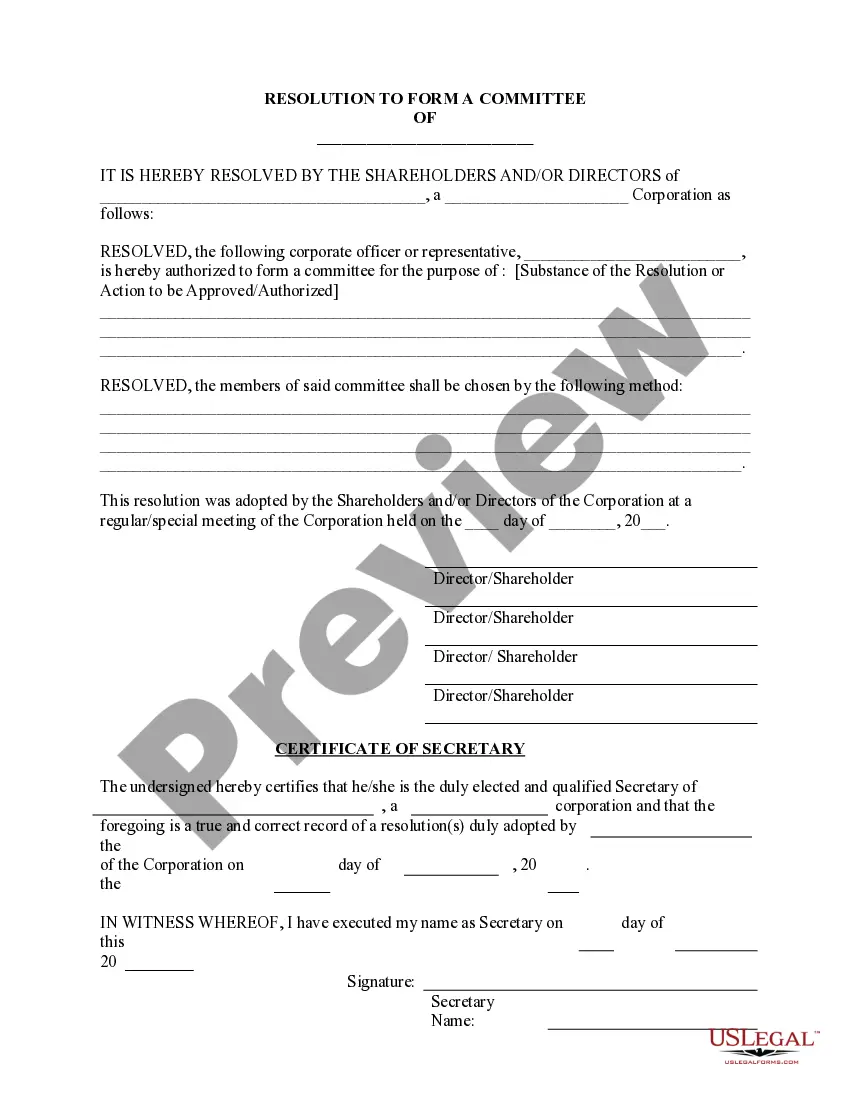

Get your form ready online
Our built-in tools help you complete, sign, share, and store your documents in one place.
Make edits, fill in missing information, and update formatting in US Legal Forms—just like you would in MS Word.
Download a copy, print it, send it by email, or mail it via USPS—whatever works best for your next step.
Sign and collect signatures with our SignNow integration. Send to multiple recipients, set reminders, and more. Go Premium to unlock E-Sign.
If this form requires notarization, complete it online through a secure video call—no need to meet a notary in person or wait for an appointment.
We protect your documents and personal data by following strict security and privacy standards.

Make edits, fill in missing information, and update formatting in US Legal Forms—just like you would in MS Word.

Download a copy, print it, send it by email, or mail it via USPS—whatever works best for your next step.

Sign and collect signatures with our SignNow integration. Send to multiple recipients, set reminders, and more. Go Premium to unlock E-Sign.

If this form requires notarization, complete it online through a secure video call—no need to meet a notary in person or wait for an appointment.

We protect your documents and personal data by following strict security and privacy standards.
Looking for another form?







Form popularity
FAQ
Tips for Writing and Passing an Effective Resolution Build a Broad Coalition. Study legislative processes in your town or city. Focus on using mandatory language (“shall” “must” “will”, etc.) ... Be textually accurate. Allow for revisions. Maintain your community network.
The contents of the trust remain private. A trust does not go through the North Carolina probate process and becomes a matter of public record.
How to Create a Trust in North Carolina Step 1: Determine Trust Assets. Step 2: Name a Trustee and Beneficiaries. Step 3: Draft and Sign the Trust Documents. Step 4: Transfer Ownership (Title) to the Trust.
When creating a living trust in North Carolina, you complete the trust document and sign it in front of notary. You then must take the final step of transferring ownership of the assets into the trust for it to be effective. A living trust provides a variety of benefits.
How to Create a Trust in North Carolina Step 1: Determine Trust Assets. Step 2: Name a Trustee and Beneficiaries. Step 3: Draft and Sign the Trust Documents. Step 4: Transfer Ownership (Title) to the Trust.
A resolution is a formal expression of opinion, will, or intent from an agency's governing body that often addresses a matter of special or temporary nature. In most instances, resolutions go into effect immediately and generally need not be published.
7 steps for writing a resolution Put the date and resolution number at the top. Give the resolution a title that relates to the decision. Use formal language. Continue writing out each critical statement. Wrap up the heart of the resolution in the last statement.
Be as specific as possible; unemotional; and factual. Avoid inflated superlatives. If issue is complex, the problem definition can be broken into multiple Whereas Clauses. Facts stated in the Problem Definition must include appropriate citations that substantiate what is asserted.
The title of the resolution must appropriately reflect the intent. Resolutions begin with "Whereas" statements, which provides the basic facts and reasons for the resolution, and conclude with "Resolved" statements which, identifies the specific proposal for the requestor's course of action.
