Sample Letter To Close Trustee Accounting With Beneficiary In Virginia
Description




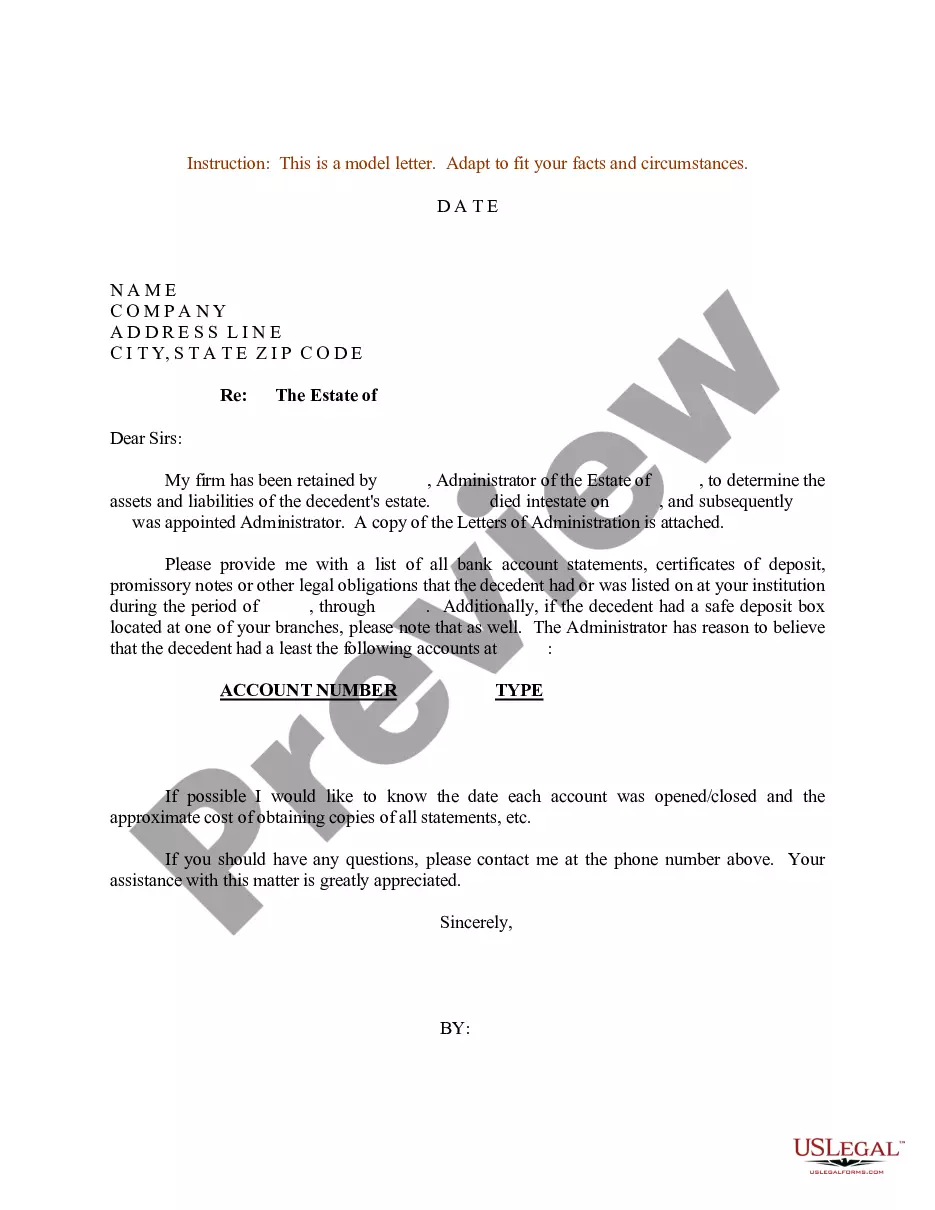
Get your form ready online
Our built-in tools help you complete, sign, share, and store your documents in one place.
Make edits, fill in missing information, and update formatting in US Legal Forms—just like you would in MS Word.
Download a copy, print it, send it by email, or mail it via USPS—whatever works best for your next step.
Sign and collect signatures with our SignNow integration. Send to multiple recipients, set reminders, and more. Go Premium to unlock E-Sign.
If this form requires notarization, complete it online through a secure video call—no need to meet a notary in person or wait for an appointment.
We protect your documents and personal data by following strict security and privacy standards.

Make edits, fill in missing information, and update formatting in US Legal Forms—just like you would in MS Word.

Download a copy, print it, send it by email, or mail it via USPS—whatever works best for your next step.

Sign and collect signatures with our SignNow integration. Send to multiple recipients, set reminders, and more. Go Premium to unlock E-Sign.

If this form requires notarization, complete it online through a secure video call—no need to meet a notary in person or wait for an appointment.

We protect your documents and personal data by following strict security and privacy standards.
Looking for another form?








Form popularity
FAQ
Personal representatives (i.e., executors and administrators of the estate) are required to provide beneficiaries and other interested parties (i.e., persons or entities with a financial stake in the estate) with financial information about the estate they are overseeing.
The final accounting will list the basic information that was in the inventory, and will set forth the total amount of funds received and total disbursements, including the distribution to the beneficiaries. It also will list the sale of any assets that were listed in the inventory.
A petition for removal of a trustee can be filed by either a co-trustee or a beneficiary. The petition may also seek financial damages from the trustee. Sufficient evidence needs to be submitted to show the court that the trustee violated the terms of the trust agreement or their fiduciary duty.
Court Approval Required A court may order the modification or termination of an irrevocable trust if the settlor and all beneficiaries consent to the modification or termination, even if such modification or termination is inconsistent with a material purpose of the trust.
Surrogate's Court Procedure Act § 707 states that a nominated executor is ineligible to serve it if they are: (a) an infant; (b) an incompetent or incapacitated person as determined by the Court; (c) a non-citizen or non-permanent resident of the United States; (d) a felon; and (e) one who does not possess the ...
Common non-probate assets include: Life insurance proceeds or pension benefits payable to a named beneficiary. Assets such as a home owned with someone else in joint tenancy or tenancy by the entirety. Assets with a listed beneficiary outside of the deceased person's will such as an IRA or payable-on-death bank account.
Before the executor can finalize probate and close the estate, they must provide a final accounting that includes: An itemized list of the estate's assets. Any funds or property received by the estate during its administration.
Here are some things to consider when drafting a letter to your executor or trustee. Your thoughts about wealth. Share your story about how you came to the assets that you are leaving in your will. How was your wealth created, what do you value and what are your long-term goals for your wealth?
A beneficiary designation generally overrides a trust in the same way it overrides a will.
“Controlling Persons of a trust” means the settlor(s), the trustee(s), the protector(s) (if any), the beneficiary(ies) or class(es) of beneficiaries, and any other natural person(s) exercising ultimate effective control over the trust (including through a chain of control or ownership).
