Attorney Client Privilege For Consultants In Sacramento
Description

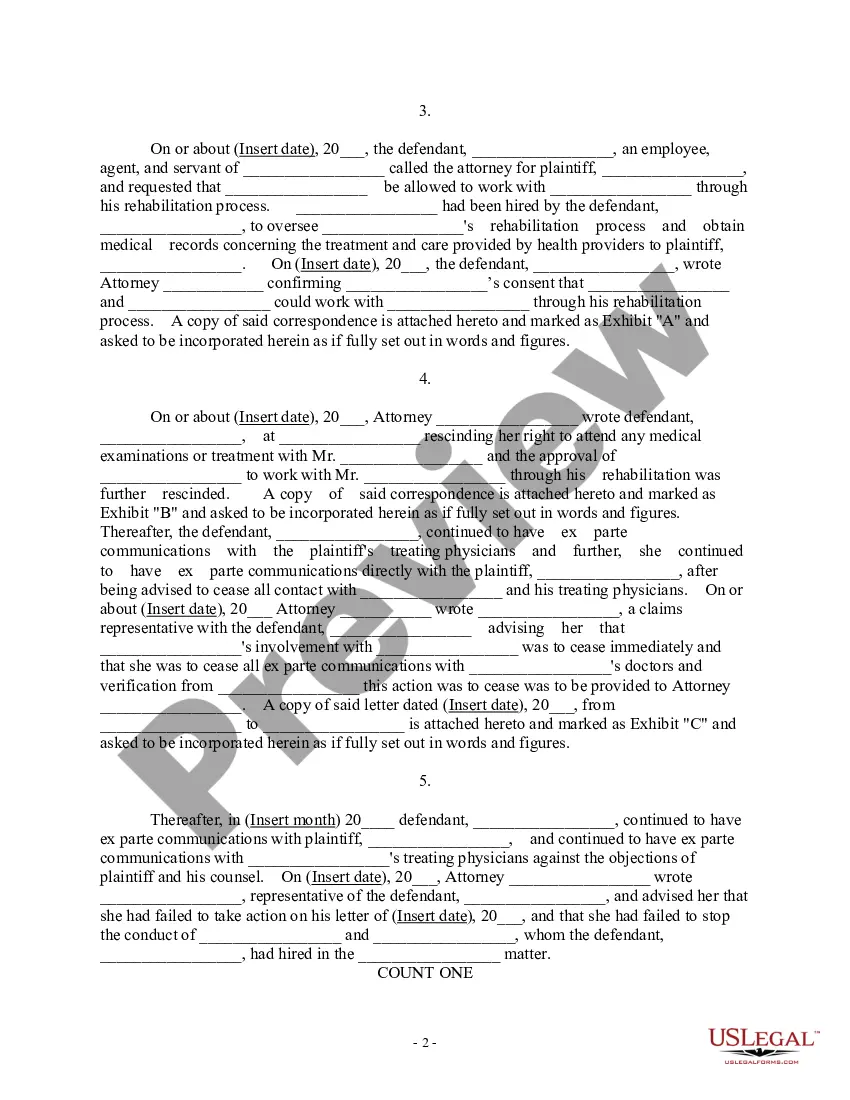
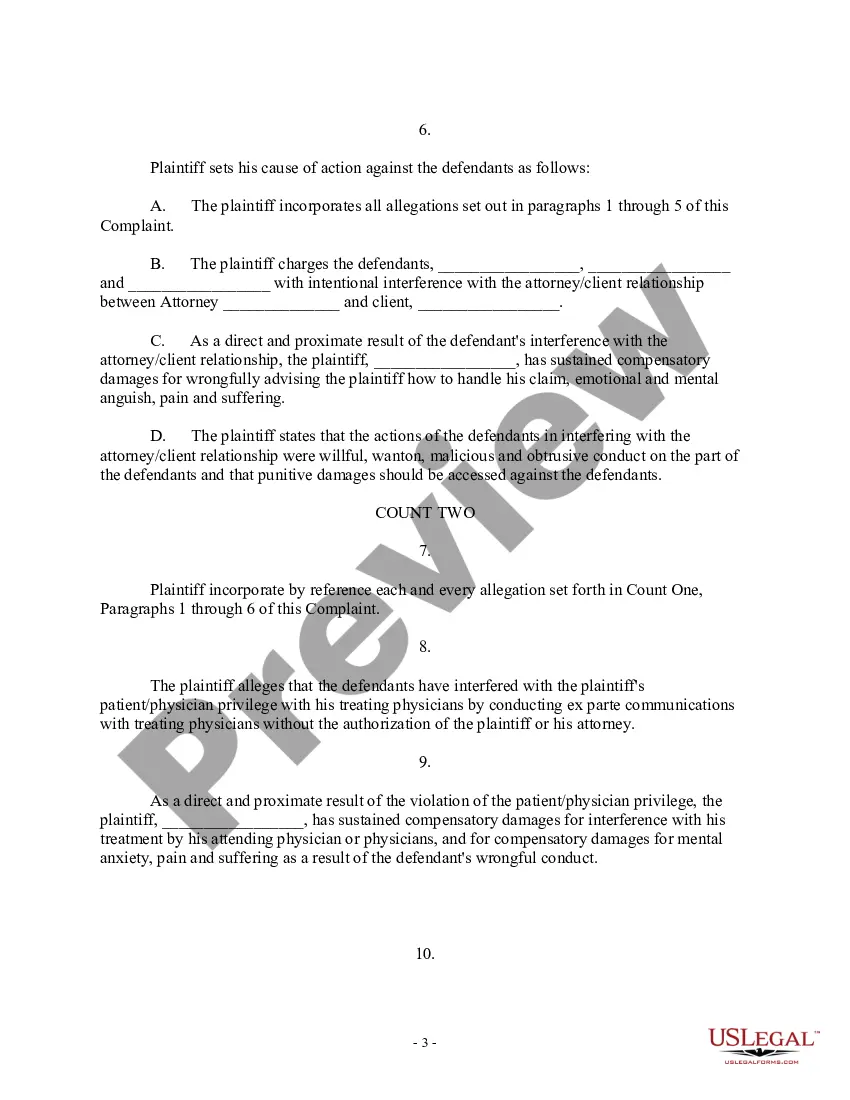

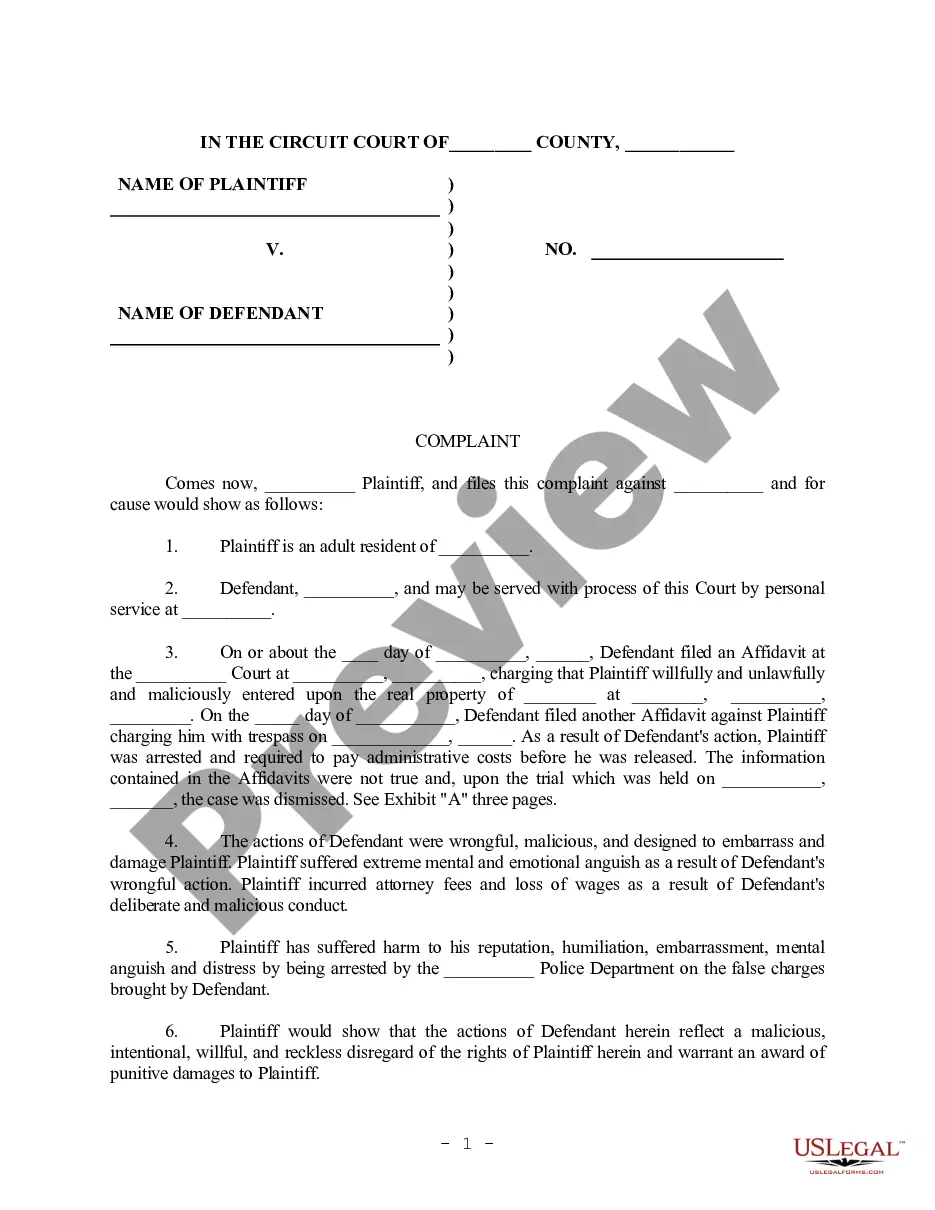

Get your form ready online
Our built-in tools help you complete, sign, share, and store your documents in one place.
Make edits, fill in missing information, and update formatting in US Legal Forms—just like you would in MS Word.
Download a copy, print it, send it by email, or mail it via USPS—whatever works best for your next step.
Sign and collect signatures with our SignNow integration. Send to multiple recipients, set reminders, and more. Go Premium to unlock E-Sign.
If this form requires notarization, complete it online through a secure video call—no need to meet a notary in person or wait for an appointment.
We protect your documents and personal data by following strict security and privacy standards.

Make edits, fill in missing information, and update formatting in US Legal Forms—just like you would in MS Word.

Download a copy, print it, send it by email, or mail it via USPS—whatever works best for your next step.

Sign and collect signatures with our SignNow integration. Send to multiple recipients, set reminders, and more. Go Premium to unlock E-Sign.

If this form requires notarization, complete it online through a secure video call—no need to meet a notary in person or wait for an appointment.

We protect your documents and personal data by following strict security and privacy standards.
Looking for another form?
Form popularity
FAQ
The elements required to establish the attorney-client privilege are as follows: a communication; made between privileged persons; in confidence; and. for the purpose of seeking, obtaining, or providing legal assistance to the client.
Evidence Code 954 Explained Your attorney is required by law to refuse to divulge the contents of client communications if anyone asks them to, citing "attorney-client privilege:" You have the right to forbid your attorney (along with any relevant third parties) from disclosing information designated as confidential.
The attorney-client privilege applies to communications “to whom disclosure is reasonably necessary for the transmission of the information or the accomplishment of the purpose for which the lawyer is consulted.” Cal. Evid. Code § 952. This includes communications to an expert consultant.
There are two major exceptions to the lawyer-client privilege under the California Evidence Code, as discussed below. 2.1. Crime or fraud. 2.2. Preventing death or substantial physical harm.
Once a contract or retainer agreement has been signed between both parties, there's no question that privilege applies. Nonetheless, it generally starts before a contract is officially signed, even if you ultimately do not hire the attorney you had a consultation with.
Unethical attorneys may breach attorney-client privilege for their own gain. If they have the chance to profit from your information or your case presents a conflict of interest for them, unbeknownst to you, they may intentionally divulge privileged information to benefit or protect themselves.
Since the client, and not the attorney, holds the privilege, the client holds the ultimate authority to assert it or waive it.