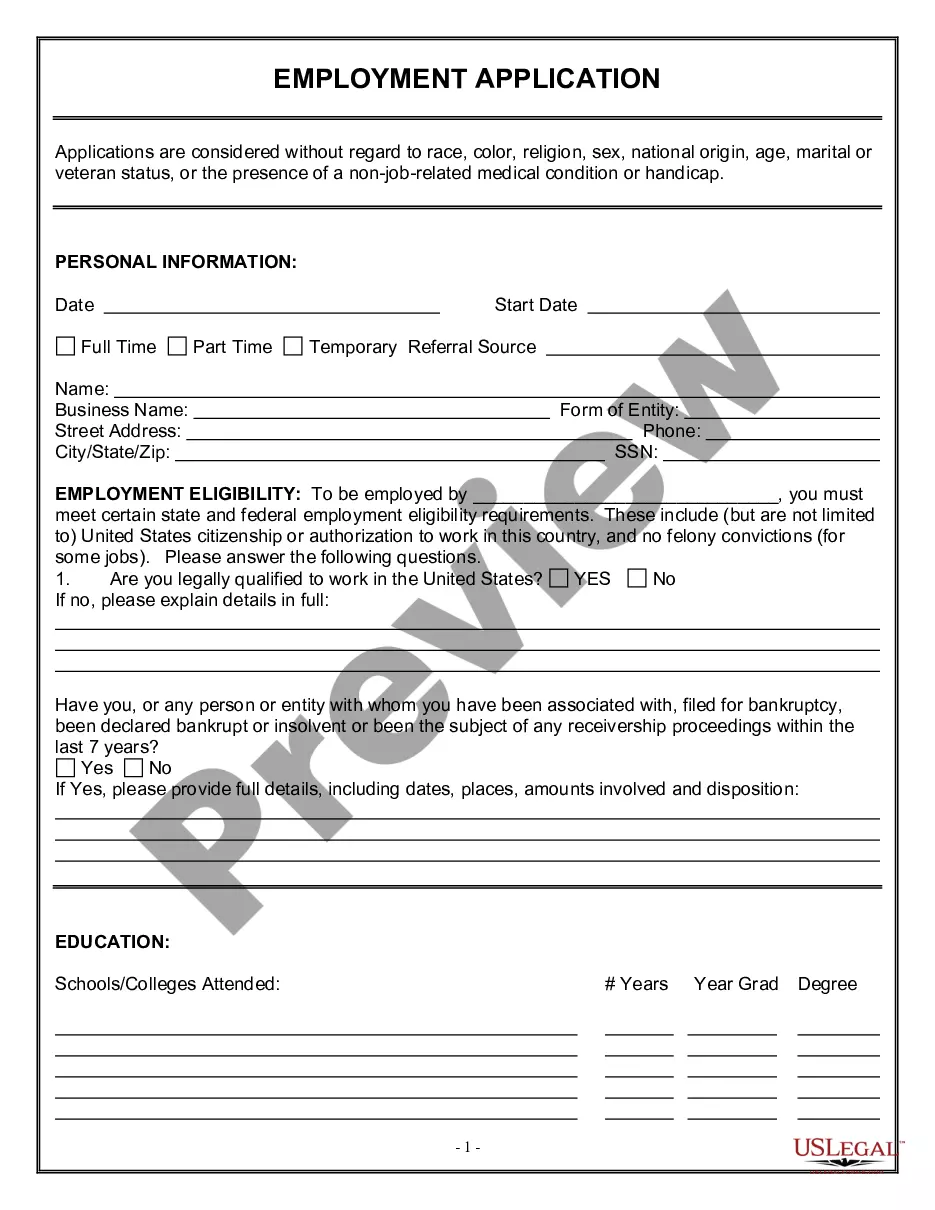
Decedent Account Bank Format In Virginia
Description


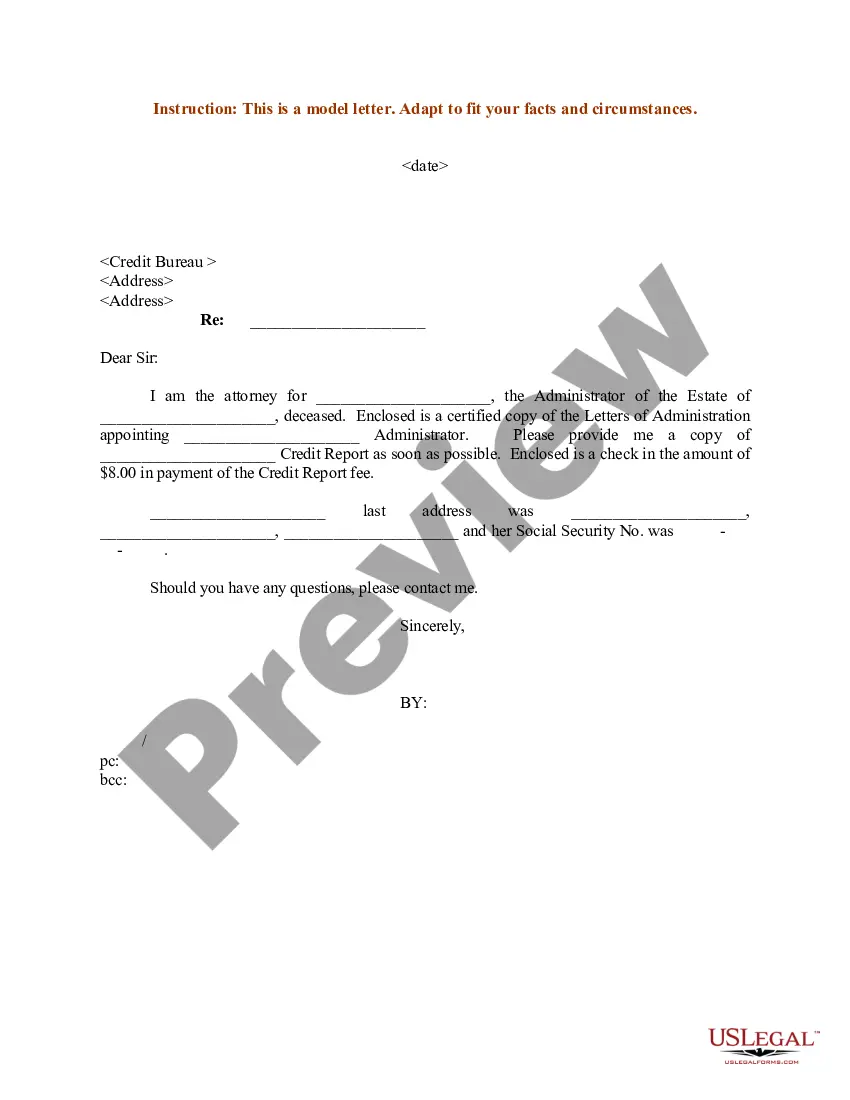

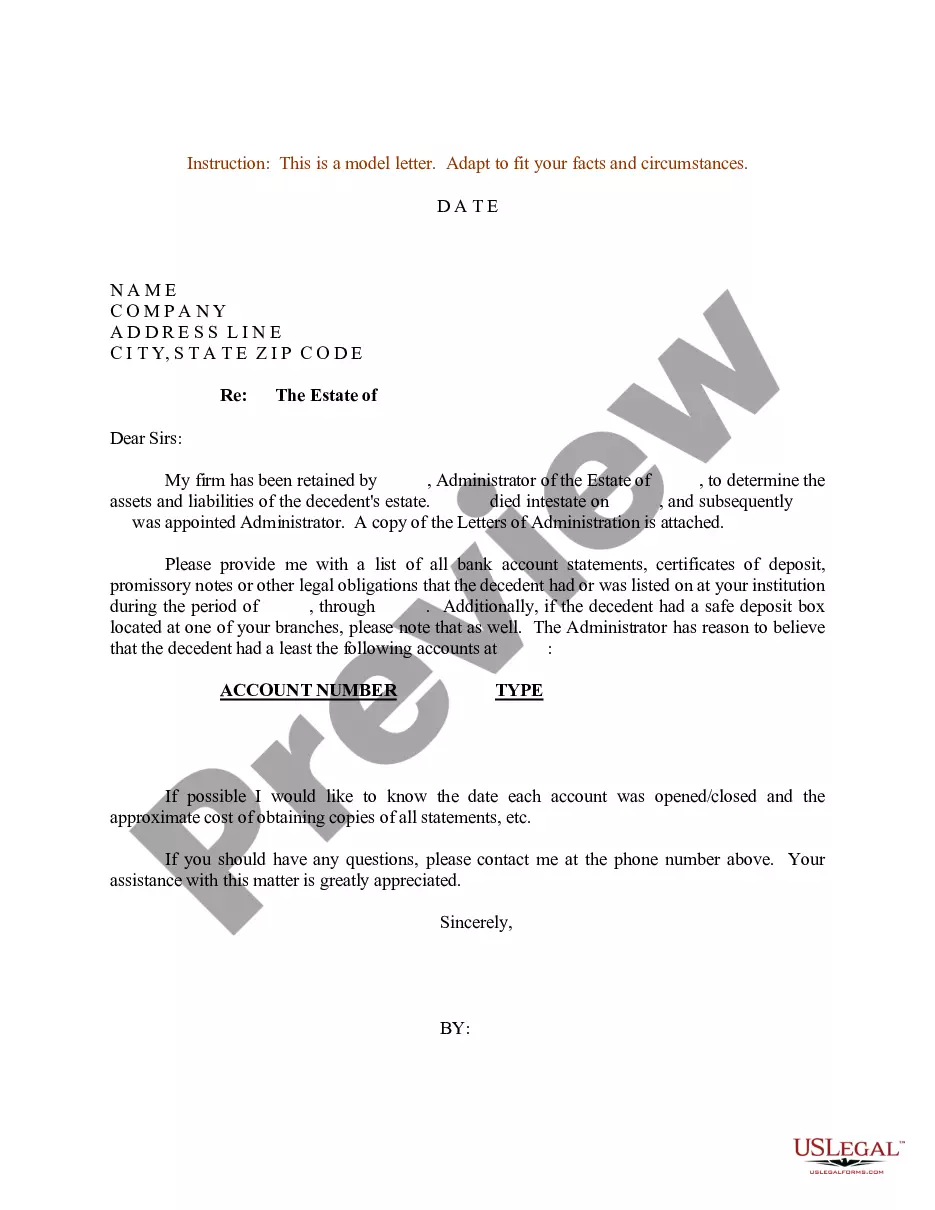
Get your form ready online
Our built-in tools help you complete, sign, share, and store your documents in one place.
Make edits, fill in missing information, and update formatting in US Legal Forms—just like you would in MS Word.
Download a copy, print it, send it by email, or mail it via USPS—whatever works best for your next step.
Sign and collect signatures with our SignNow integration. Send to multiple recipients, set reminders, and more. Go Premium to unlock E-Sign.
If this form requires notarization, complete it online through a secure video call—no need to meet a notary in person or wait for an appointment.
We protect your documents and personal data by following strict security and privacy standards.

Make edits, fill in missing information, and update formatting in US Legal Forms—just like you would in MS Word.

Download a copy, print it, send it by email, or mail it via USPS—whatever works best for your next step.

Sign and collect signatures with our SignNow integration. Send to multiple recipients, set reminders, and more. Go Premium to unlock E-Sign.

If this form requires notarization, complete it online through a secure video call—no need to meet a notary in person or wait for an appointment.

We protect your documents and personal data by following strict security and privacy standards.
Looking for another form?







Form popularity
FAQ
Visit Banks in Their Area You will need to provide documentation to prove both that the account holder died and you have the legal authority (as a designated beneficiary, joint account holder or executor/administrator) to access the account.
Per California Probate Code Section 10950, if more than a year has passed since the beginning of probate administration and an accounting has not been filed, interested parties (i.e. beneficiaries) have the right to file a petition with the court to compel the executor to complete an accounting.
How to open an estate account Step 1: Begin the probate process. The steps for beginning this process depend on the state in which the deceased person resided. Step 2: Obtain a tax ID number for the estate account. Step 3: Bring all required documents to the bank. Step 4: Open the estate account.
You can apply online if you're the executor of the will and: the person who died lived permanently in England or Wales or was planning to return there. you have the original will and the death certificate (or interim death certificate) from the coroner.
They generally will need to present to the bank with a certified copy of the decedent's death certificate, their own government-issued ID, and the trust instrument (or a certification of trust) in order for the asset to be released to them, although the documentation needed can vary from bank to bank, so it is best to ...
Contact the bank in advance to ensure you arrive with the appropriate documents, but you'll likely need to bring a notarized or certified copy of the death certificate and proof of your identity, such as a driver's license or passport. You'll also need the decedent's legal name and Social Security number.
The account holder only needs to notify their bank of who the beneficiary should be. The bank, on its end, will give the account owner a beneficiary designation form to fill out. The completed form gives the bank authorization to convert the account to a POD.
It's advisable to open a separate bank account and to put the estate's funds there so you can use them to make related payments. A separate account will also help you keep track of your transactions but it's a good idea to keep paper receipts as well.
Yes, all fiduciaries in Virginia handling the administration of an estate are required to file accountings unless filing requirements were waived at the time of your qualification.
Typically, it's best to open an estate account with the same financial institution the decedent used in the same state where they resided. Since the decedent was already a member of that bank, it can make for a more seamless transition and provide easier access to all their accounts and estate funds.
