Sample Letter To Close Trust Account With Attorney In New York
Description


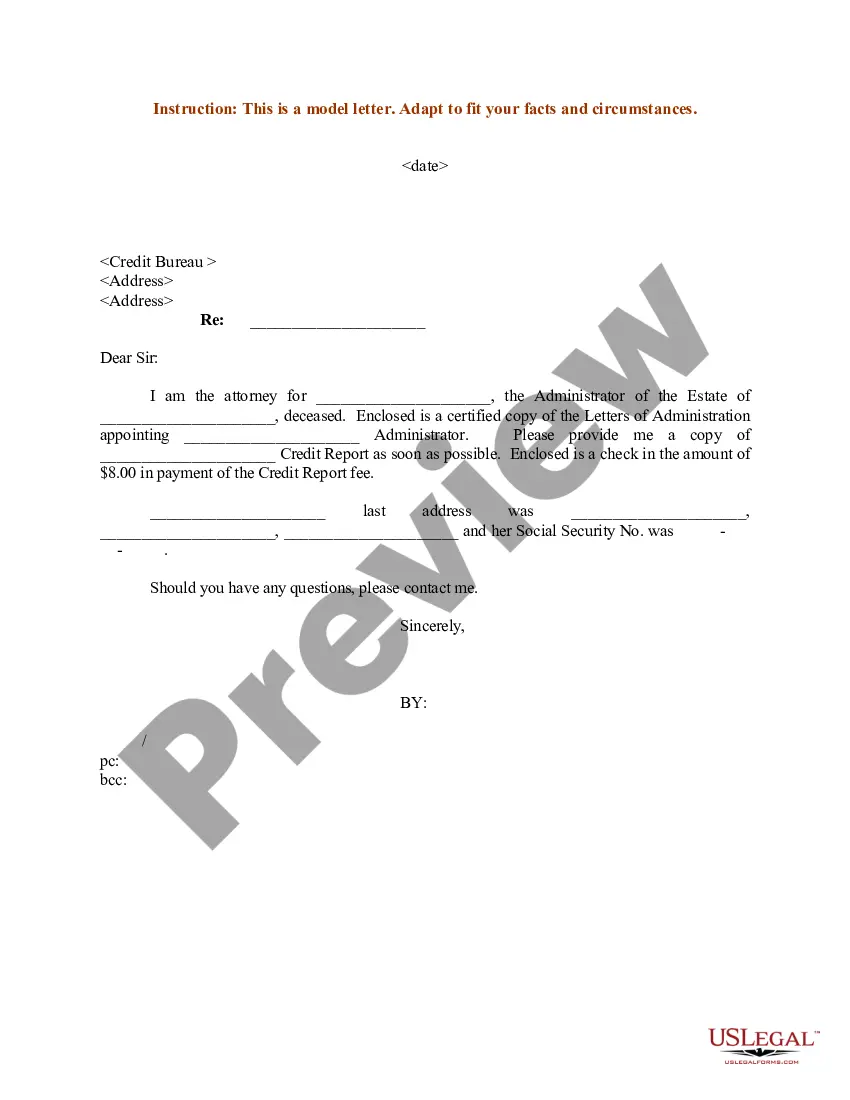

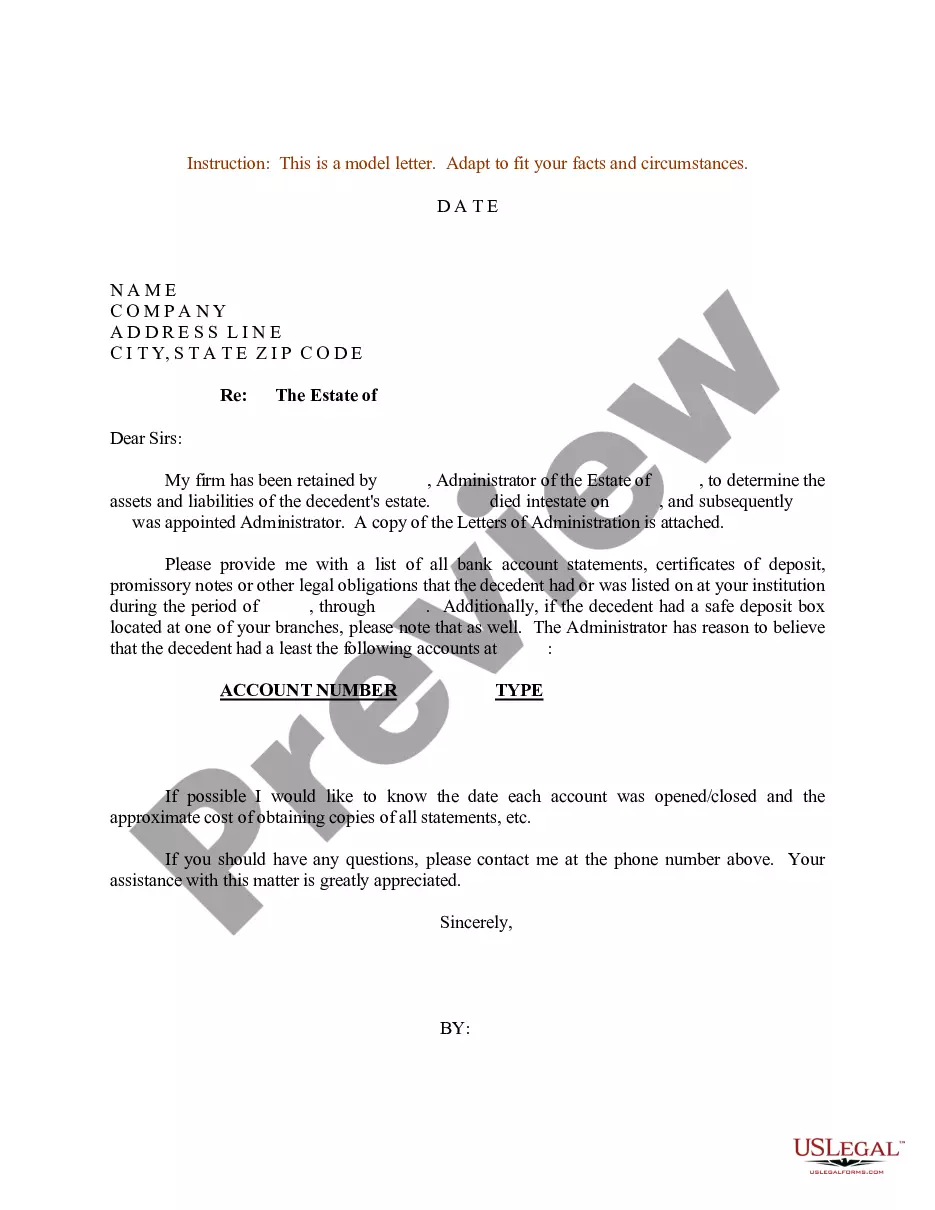
Get your form ready online
Our built-in tools help you complete, sign, share, and store your documents in one place.
Make edits, fill in missing information, and update formatting in US Legal Forms—just like you would in MS Word.
Download a copy, print it, send it by email, or mail it via USPS—whatever works best for your next step.
Sign and collect signatures with our SignNow integration. Send to multiple recipients, set reminders, and more. Go Premium to unlock E-Sign.
If this form requires notarization, complete it online through a secure video call—no need to meet a notary in person or wait for an appointment.
We protect your documents and personal data by following strict security and privacy standards.

Make edits, fill in missing information, and update formatting in US Legal Forms—just like you would in MS Word.

Download a copy, print it, send it by email, or mail it via USPS—whatever works best for your next step.

Sign and collect signatures with our SignNow integration. Send to multiple recipients, set reminders, and more. Go Premium to unlock E-Sign.

If this form requires notarization, complete it online through a secure video call—no need to meet a notary in person or wait for an appointment.

We protect your documents and personal data by following strict security and privacy standards.
Looking for another form?





Form popularity
FAQ
1. I no longer wish to retain your services as of xx/xx/x (date). 2. I have retained another attorney for this matter and no longer wish to retain your services. 3. I have decided to represent myself and no longer wish to retain your services. 4. You're fired. Please return my retainer.
An attorney case closing letter, also known as a termination of representation, is a formal document that officially ends their representation of a client in a matter.
All of those are acceptable in either a formal or an informal context, though “Best regards” would be the most appropriate to use in a formal context. “Yours truly” is the classic closing for letters, which is sometimes used in emails, though not as often.
City / State / Zip Code Dear Client Name: In ance with Local Rule ______________, this letter shall serve a notice of our intent to withdraw from our representation of you in _______________________ case name, cause number. As you know, we are terminating our representation due to ________________________.
Send rejection letter. If taking on the client seems like too great of a risk, protect yourself by notifying the client in writing so there is no confusion about representation. Be polite but firm, and abundantly clear. Send the letter by certified mail and retain a copy for the firm's records.
When writing a withdrawal letter, aim to inform the employer immediately, be clear and honest about your reasons, thank the hiring manager for their time, include your contact details, and express interest in possible future opportunities if applicable.
Always terminate the relationship in writing. Even if you fire your attorney in a verbal exchange, you should follow up by sending a written termination letter. Be sure to send the letter by “certified mail with return receipt requested” so there's proof your lawyer received the letter.
New York law allows for the revocation or termination of an irrevocable living trust if all required parties consent in writing to the revocation or termination. Typically, this means that the Settlor, Trustee(s), and all qualified beneficiaries must consent to the revocation or termination of the trust.
