Decedent Account Bank Withdrawal In Hennepin
Description




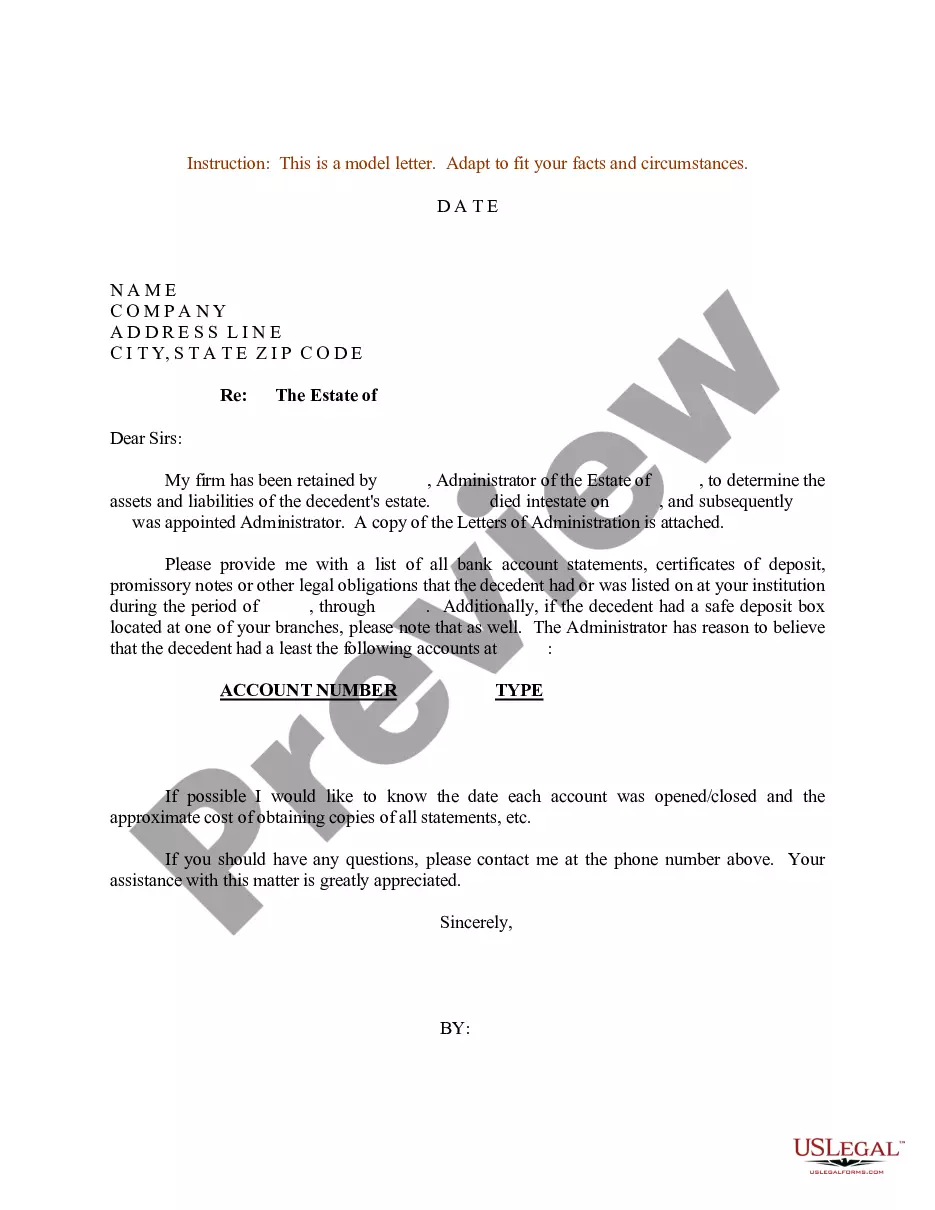
Get your form ready online
Our built-in tools help you complete, sign, share, and store your documents in one place.
Make edits, fill in missing information, and update formatting in US Legal Forms—just like you would in MS Word.
Download a copy, print it, send it by email, or mail it via USPS—whatever works best for your next step.
Sign and collect signatures with our SignNow integration. Send to multiple recipients, set reminders, and more. Go Premium to unlock E-Sign.
If this form requires notarization, complete it online through a secure video call—no need to meet a notary in person or wait for an appointment.
We protect your documents and personal data by following strict security and privacy standards.

Make edits, fill in missing information, and update formatting in US Legal Forms—just like you would in MS Word.

Download a copy, print it, send it by email, or mail it via USPS—whatever works best for your next step.

Sign and collect signatures with our SignNow integration. Send to multiple recipients, set reminders, and more. Go Premium to unlock E-Sign.

If this form requires notarization, complete it online through a secure video call—no need to meet a notary in person or wait for an appointment.

We protect your documents and personal data by following strict security and privacy standards.
Looking for another form?





Form popularity
FAQ
Probate proceedings in Minnesota may be either formal or informal and generally must be initiated within three years after the decedent's death.
If you die without a will in Minnesota, your property is divided ing to the state's intestate laws. Generally, your spouse receives the largest portion or even the entire estate if there are no descendants. If there are descendants, the estate is split among the spouse and children in a manner defined by law.
If you decide to use informal probate, you do not have to hire an attorney, but it is still advised that you do so. At any point during the informal probate process, you can hire an accountant, a tax preparer, or a probate lawyer to assist you in understanding the finances and law involved with the estate.
DOCUMENTS REQUIRED: As a matter of general rule following documents are required in all cases of death claim: i. Death Certificate. ii. Application for Deceased claim(Annexure I) /Estate claim form (Annexure II) duly filled in by the legal heirs/claimants.
If you are the executor or administrator of a deceased person's estate and you need to access their bank account, you may need to provide the bank with: The death certificate of the account holder. A copy of the Letters Testamentary or Letters of Administration. Your government-issued identification.
First and foremost, there are a number of asset types that typically do not pass through probate. This includes life insurance policies, bank accounts, and investment or retirement accounts that require you to name a beneficiary.
Minimum Estate Value for Probate in California Generally, if the estate is valued at $184,500 or more, it may be subject to full probate. However, estates valued under this threshold may qualify for simplified probate procedures, such as a small estate affidavit or summary probate.
If your personal property exceeds $75,000 or you own real estate in your name alone, your estate must be probated.
Non-Probate Assets bank or brokerage accounts that are held jointly or with a payable-on-death beneficiary designation to a surviving person; investment or retirement accounts or insurance policies that have a designated beneficiary other than the decedent that survives the decedent; or. property held in a trust.
