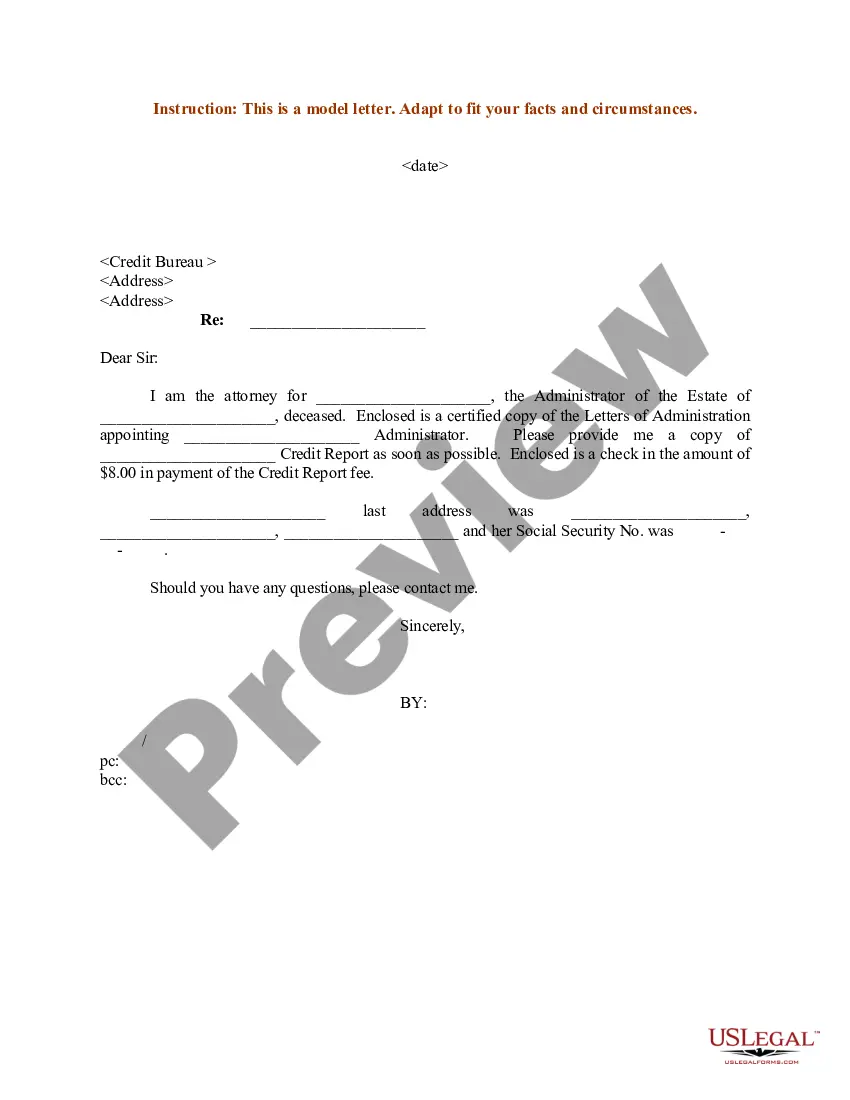
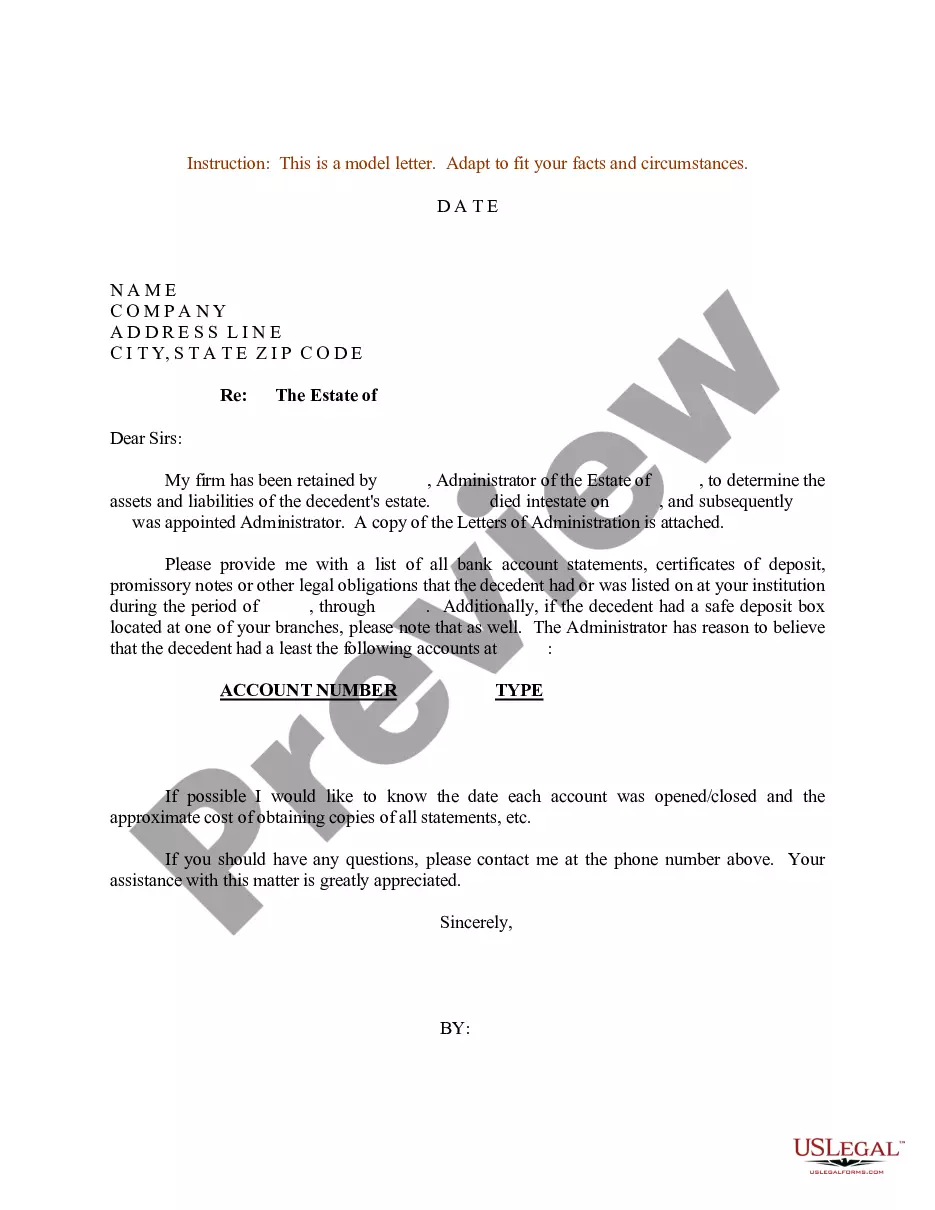
Sample Letter To Close Trust Account For Deceased Person In Allegheny
Description


Get your form ready online
Our built-in tools help you complete, sign, share, and store your documents in one place.
Make edits, fill in missing information, and update formatting in US Legal Forms—just like you would in MS Word.
Download a copy, print it, send it by email, or mail it via USPS—whatever works best for your next step.
Sign and collect signatures with our SignNow integration. Send to multiple recipients, set reminders, and more. Go Premium to unlock E-Sign.
If this form requires notarization, complete it online through a secure video call—no need to meet a notary in person or wait for an appointment.
We protect your documents and personal data by following strict security and privacy standards.

Make edits, fill in missing information, and update formatting in US Legal Forms—just like you would in MS Word.

Download a copy, print it, send it by email, or mail it via USPS—whatever works best for your next step.

Sign and collect signatures with our SignNow integration. Send to multiple recipients, set reminders, and more. Go Premium to unlock E-Sign.

If this form requires notarization, complete it online through a secure video call—no need to meet a notary in person or wait for an appointment.

We protect your documents and personal data by following strict security and privacy standards.
Looking for another form?










Form popularity
FAQ
The process of settling an estate in Pennsylvania involves naming a personal representative, collecting estate assets, filing appropriate forms with the Register of Wills, notifying heirs, providing public notice, paying all debts and taxes, and distributing the remaining assets to heirs named in the will or under the ...
In Pennsylvania, there is no set time limit on when you can initiate probate after someone dies, but it is best to get the process started as soon as you can. Waiting can make things more complicated and lead to issues with the estate dragging on for years.
In terms of content, an Estate distribution letter should include: the deceased's personal details; a detailed and complete list of all assets and liabilities; the Beneficiary names and the details of their respective inheritances; any details on debt settlement and creditor communication;
On average, it can take anywhere from 6 months to over a year to complete the probate process and distribute assets to beneficiaries. However, this timeline can be shortened if the decedent had a well-organized estate plan before their passing.
Sample Estate Closing Letter to Beneficiaries I am writing to inform you of the finalization of Deceased's Name's estate, for which I have served as the executor. Asset Distribution: You will receive Description of Assets as part of your inheritance. These assets will be transferred to you by Transfer Date.
The average time to settle an estate in Pennsylvania can vary depending on the complexity of the estate and any potential challenges or disputes. On average, it can take anywhere from 6 months to over a year to complete the probate process and distribute assets to beneficiaries.
State laws typically govern the specific timeframe for keeping an estate open after death, but the average is about two years. The duration an estate remains open depends on how fast it goes through the probate process, how quickly the executor can fulfill their responsibilities, and the complexity of the estate.
Breach of fiduciary is a cause of action that can result in the Personal Representative's personal liability. For these reasons, it is strongly advised for the Personal Representative to hire an estate attorney for guidance and help throughout the probate and estate administration process.
Can an estate be settled without probate in Pennsylvania? Absolutely! With careful estate planning, you can avoid probate and make the process smoother. One effective method is creating a living trust.
