Shares Authorized Vs Issued In Washington
Description

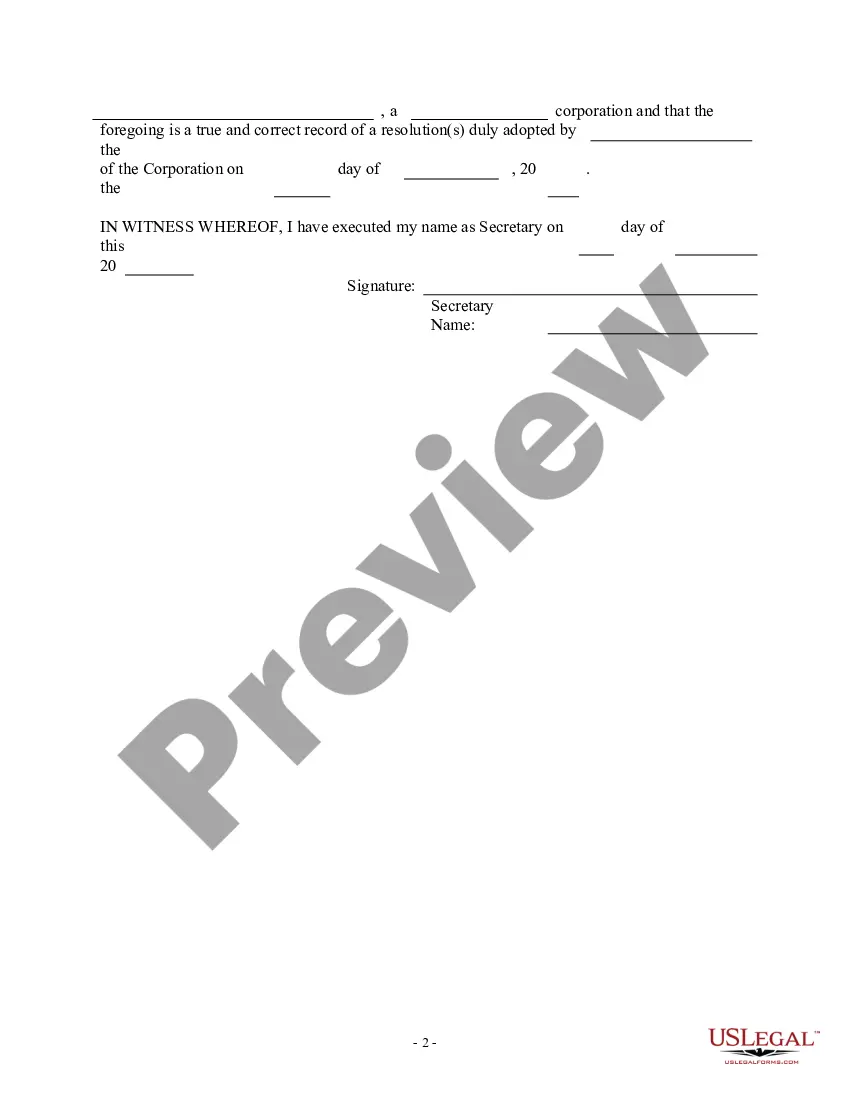

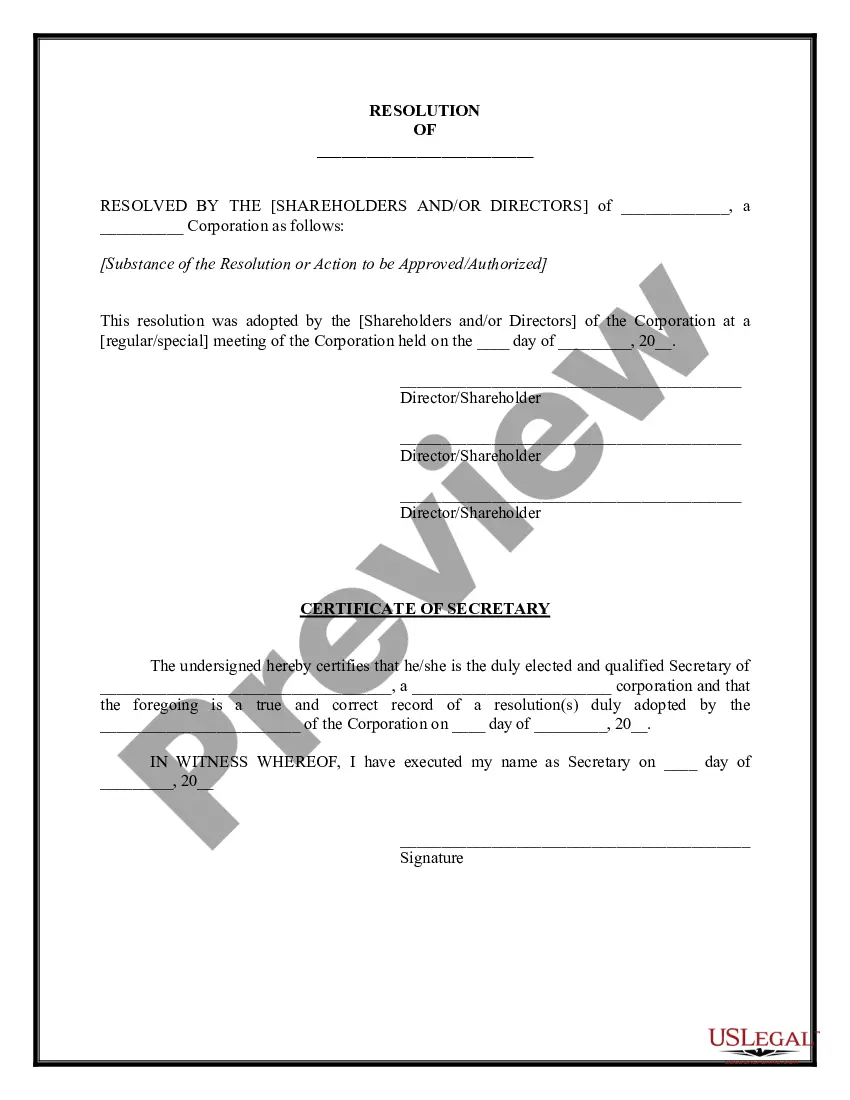
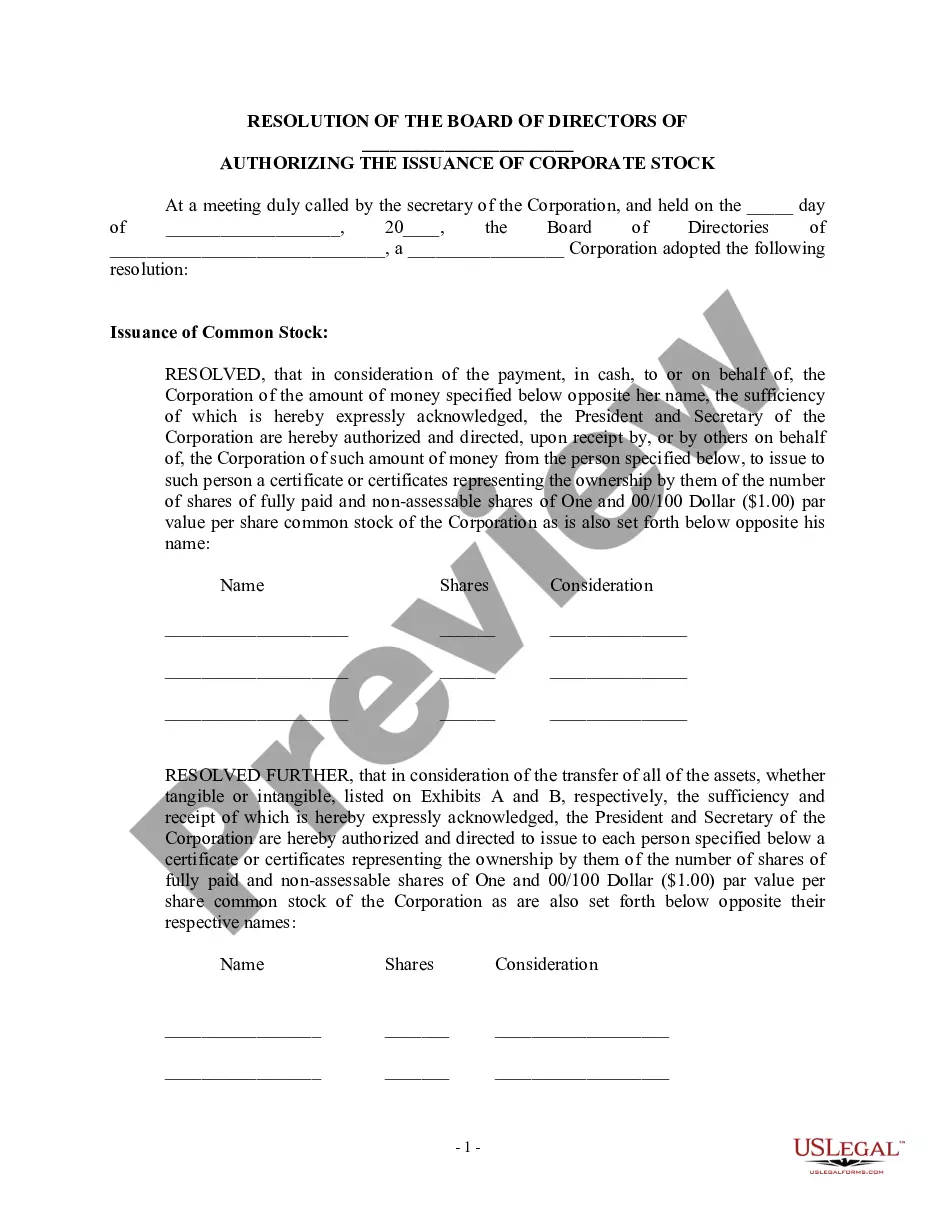
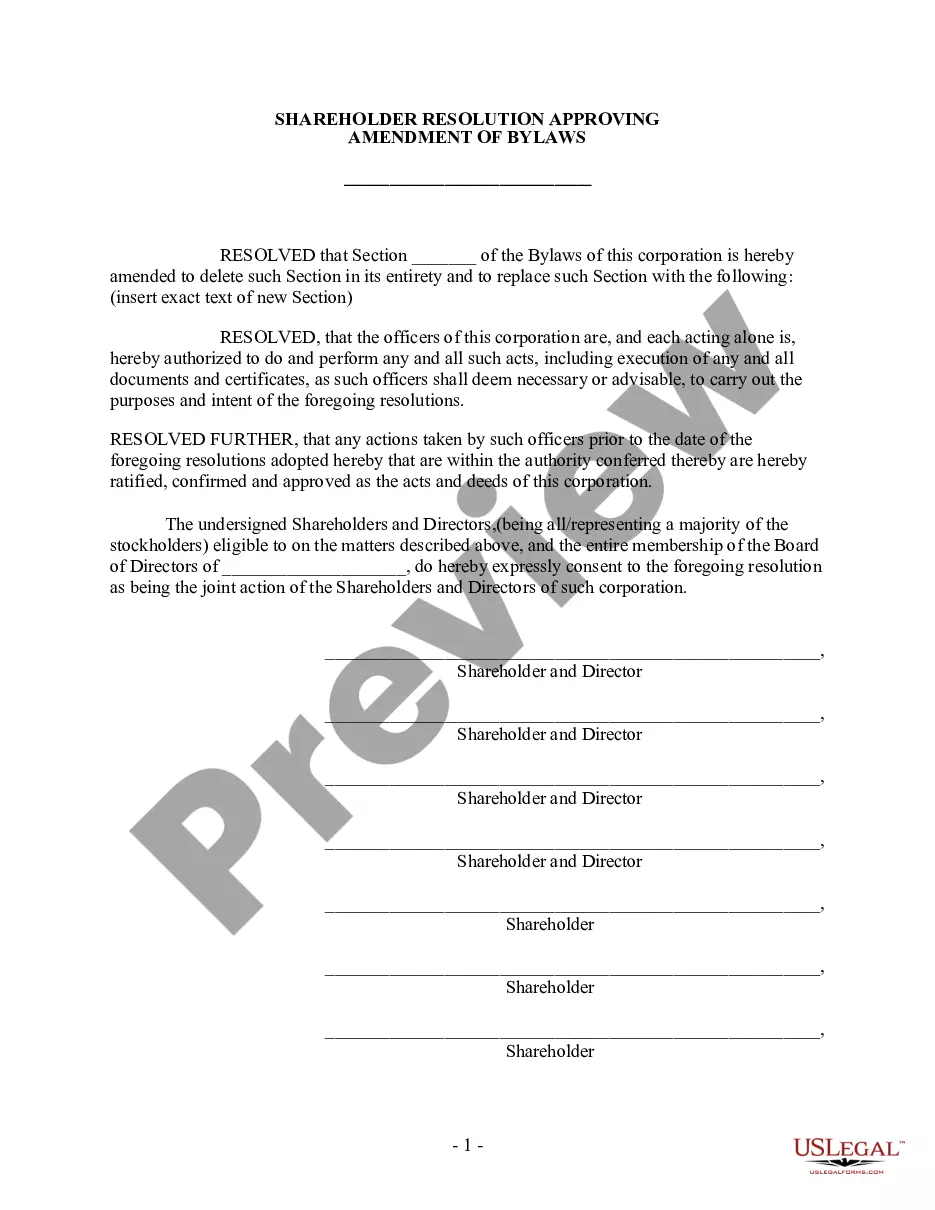
Get your form ready online
Our built-in tools help you complete, sign, share, and store your documents in one place.
Make edits, fill in missing information, and update formatting in US Legal Forms—just like you would in MS Word.
Download a copy, print it, send it by email, or mail it via USPS—whatever works best for your next step.
Sign and collect signatures with our SignNow integration. Send to multiple recipients, set reminders, and more. Go Premium to unlock E-Sign.
If this form requires notarization, complete it online through a secure video call—no need to meet a notary in person or wait for an appointment.
We protect your documents and personal data by following strict security and privacy standards.

Make edits, fill in missing information, and update formatting in US Legal Forms—just like you would in MS Word.

Download a copy, print it, send it by email, or mail it via USPS—whatever works best for your next step.

Sign and collect signatures with our SignNow integration. Send to multiple recipients, set reminders, and more. Go Premium to unlock E-Sign.

If this form requires notarization, complete it online through a secure video call—no need to meet a notary in person or wait for an appointment.

We protect your documents and personal data by following strict security and privacy standards.
Looking for another form?









Form popularity
FAQ
10 to 15 million is a commonly used range (we set 10 million as default for the Cooley GO Docs Incorporation Package). “Issued and outstanding shares” refers to the number of shares that have been issued and are outstanding at a given time. This number cannot be greater than the number of authorized shares.
Authorized shares that have not yet been issued may be set aside as reserved shares. Reserved shares can be used by the company as part of future stock option plans. These reserve shares may not be issued unless it's done under the stock option plan.
When forming a new Ltd company every shareholder, upon incorporation with Companies House must be issued a minimum of one share in companies that are limited by shares. Unless the company's article states otherwise, the company can issue a number of shares during or after incorporation.
Authorized shares are the total number of shares a company can legally issue, while issued shares are the number the company has issued to date. The number of authorized and issued shares may be the same or different, in which case there would be more authorized than issued shares.
These shares are referred to as authorized stock. Authorized stock is comprised of all stock that has been created, including shares up for sale to investors and issued to employees, as well as any shares not up for sale. The former is called outstanding stock, while the latter is referred to as unissued shares.
The number of authorized shares can be increased by the shareholders of the company at annual shareholder meetings, provided a majority of the current shareholders vote for the change.
Authorized shares are the total number of shares a company can legally issue, while issued shares are the number the company has issued to date. The number of authorized and issued shares may be the same or different, in which case there would be more authorized than issued shares.
Unissued stock is the stock that has been authorized for use in the company's charter but that the company has not sold (issued) either to the shareholders or other investors in the market. Unissued stock does not accumulate nor receive dividend payments and does not have voting rights.
The term “authorized, issued and outstanding” refers to shares in a company that have been sold publicly. They are “authorized” because they fall within the maximum number of shares a company can sell ing to its corporate charter. They are “issued” because they have been sold.
Must be less than or equal to the authorized capital. Companies cannot issue shares beyond this limit. It cannot exceed the authorized capital but can be equal to it.