Issued With Shares In North Carolina
Description




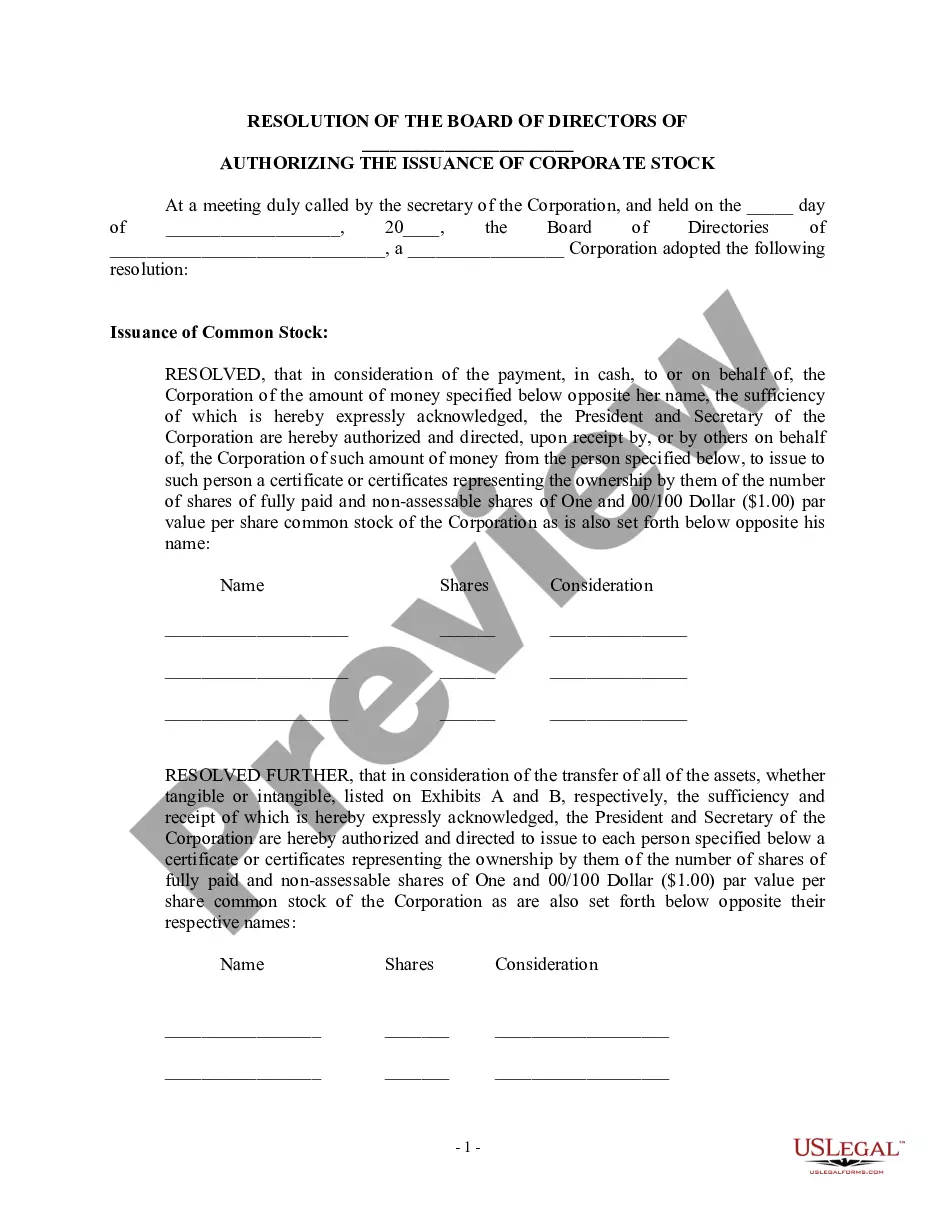
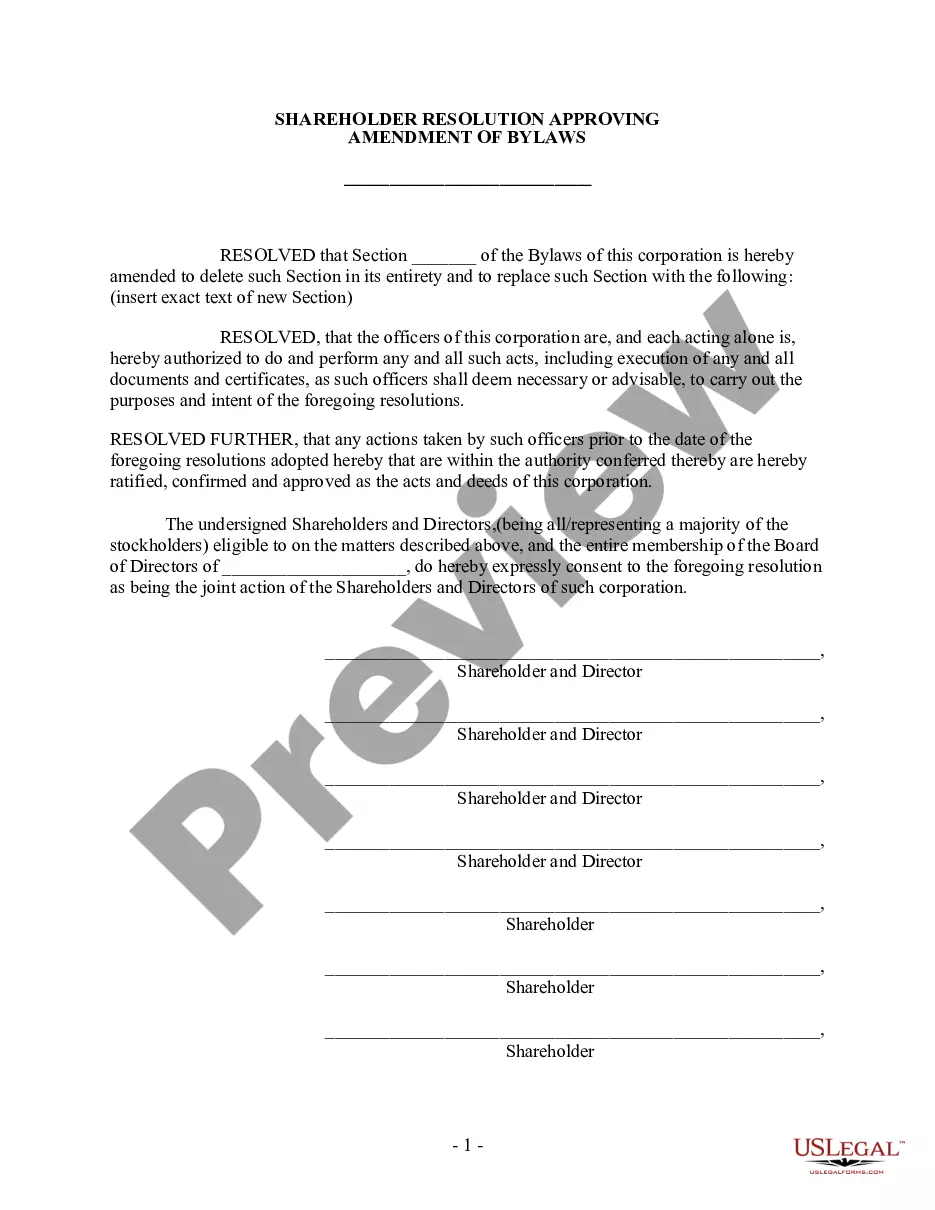
Get your form ready online
Our built-in tools help you complete, sign, share, and store your documents in one place.
Make edits, fill in missing information, and update formatting in US Legal Forms—just like you would in MS Word.
Download a copy, print it, send it by email, or mail it via USPS—whatever works best for your next step.
Sign and collect signatures with our SignNow integration. Send to multiple recipients, set reminders, and more. Go Premium to unlock E-Sign.
If this form requires notarization, complete it online through a secure video call—no need to meet a notary in person or wait for an appointment.
We protect your documents and personal data by following strict security and privacy standards.

Make edits, fill in missing information, and update formatting in US Legal Forms—just like you would in MS Word.

Download a copy, print it, send it by email, or mail it via USPS—whatever works best for your next step.

Sign and collect signatures with our SignNow integration. Send to multiple recipients, set reminders, and more. Go Premium to unlock E-Sign.

If this form requires notarization, complete it online through a secure video call—no need to meet a notary in person or wait for an appointment.

We protect your documents and personal data by following strict security and privacy standards.
Looking for another form?



Form popularity
FAQ
New issues, whether stocks or bonds, are a means of raising capital for a company. New equity shares are often issued via an initial public offering (IPO), allowing investors to buy the stock of a previously private company for the first time.
There is no right or wrong number other than the requirement to issue at least one share to each shareholder. It depends on the needs and preferences of the company's members. If you are setting up a company as the sole owner and director, you can issue just one share to yourself.
Here are the steps to issue shares in a corporation: Decide how much capital to raise. Decide the number of shares to be issued. Decide corporation will be public or private. Set value for each share. Choose the type of stock. Prepare a shareholder agreement. Issue stock certificates.
Generally, a company's board of directors is given a specific number of shares that can be issued. These are called authorized shares. Issued shares are the number of shares sold to shareholders and counted for ownership purposes.
The term “authorized, issued and outstanding” refers to shares in a company that have been sold publicly. They are “authorized” because they fall within the maximum number of shares a company can sell ing to its corporate charter. They are “issued” because they have been sold.
Unlike issuing shares, selling shares does not create new shares; it simply changes the ownership of the shares. This process typically occurs in secondary markets, where shareholders sell their equity stake in the company to other investors.
Unlike issuing shares, selling shares does not create new shares; it simply changes the ownership of the shares. This process typically occurs in secondary markets, where shareholders sell their equity stake in the company to other investors.
Shares are units of stocks issued by a corporation that represent ownership. They are sold to investors and traders to raise capital for the company. Many businesses issue stocks and shares when they need funds for research and development, expansion, or other growth opportunities.
The company follows the rules prescribed by Companies Act 2013 while issuing the shares. Issue of Prospectus, Receiving Applications, Allotment of Shares are three basic steps of the procedure of issuing the shares. The process of creating new shares is known as Allocation or allotment.
Companies then divide their stock into shares, which are sold to investors. These investors are generally investment banks or brokers that, in turn, sell the shares to other investors individually or through instruments like a mutual fund or exchange-traded fund. Shares are the equivalent of ownership in a corporation.
