Change Share Rights In Maryland
Description

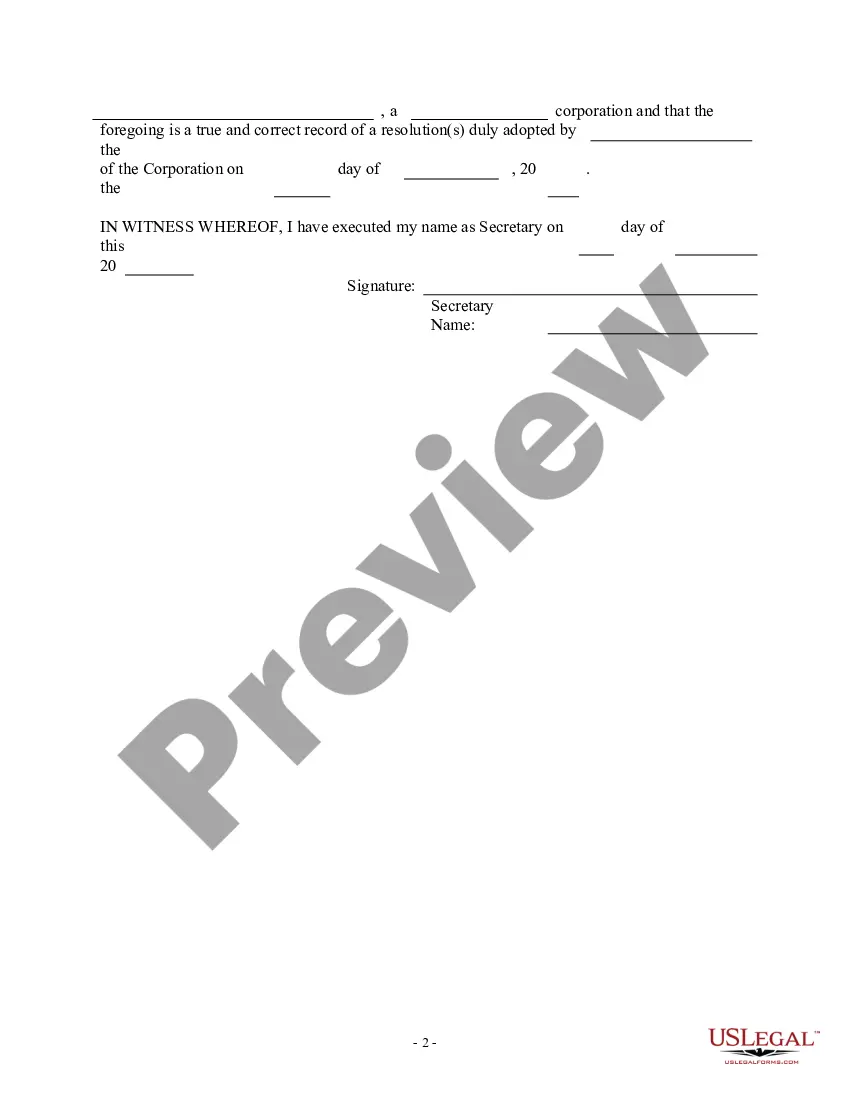


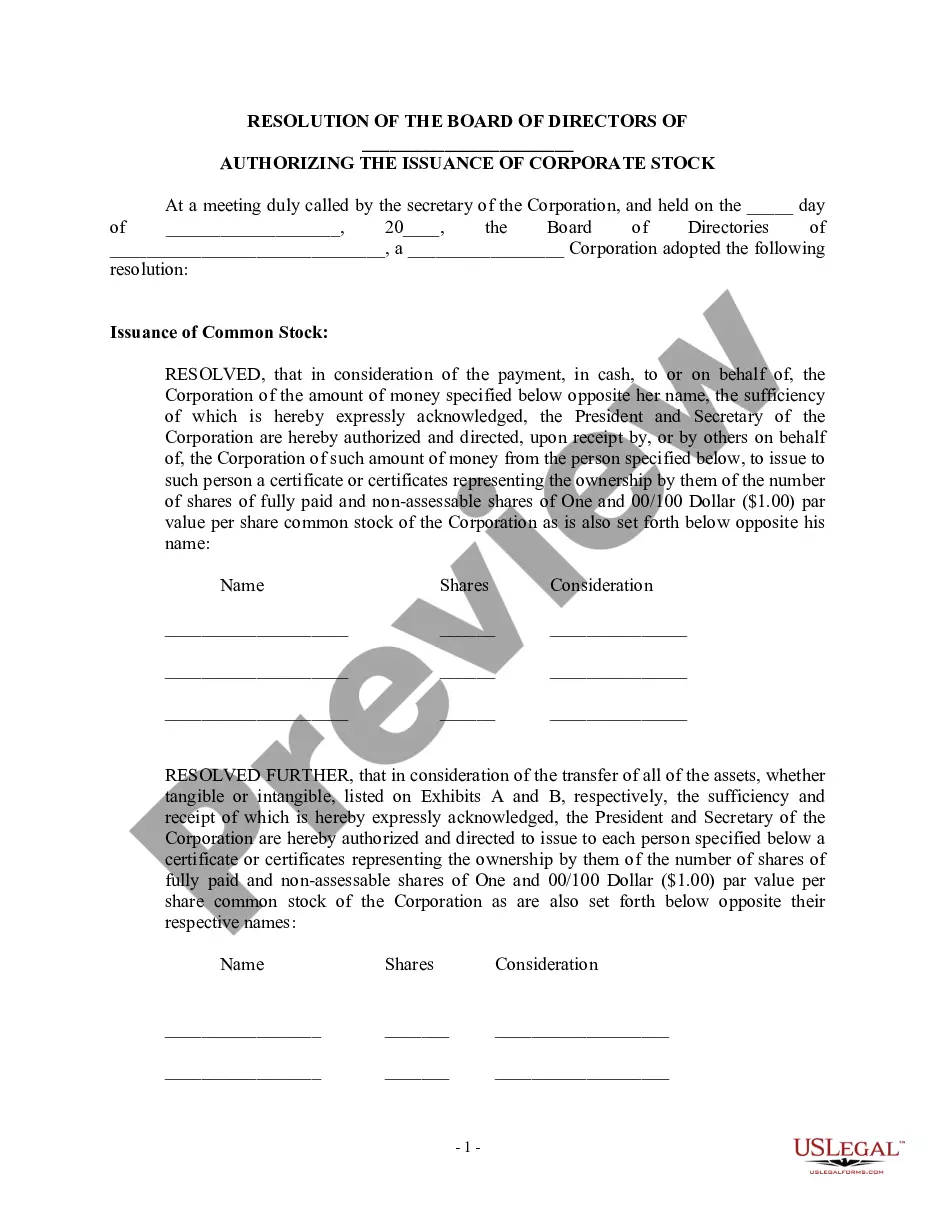
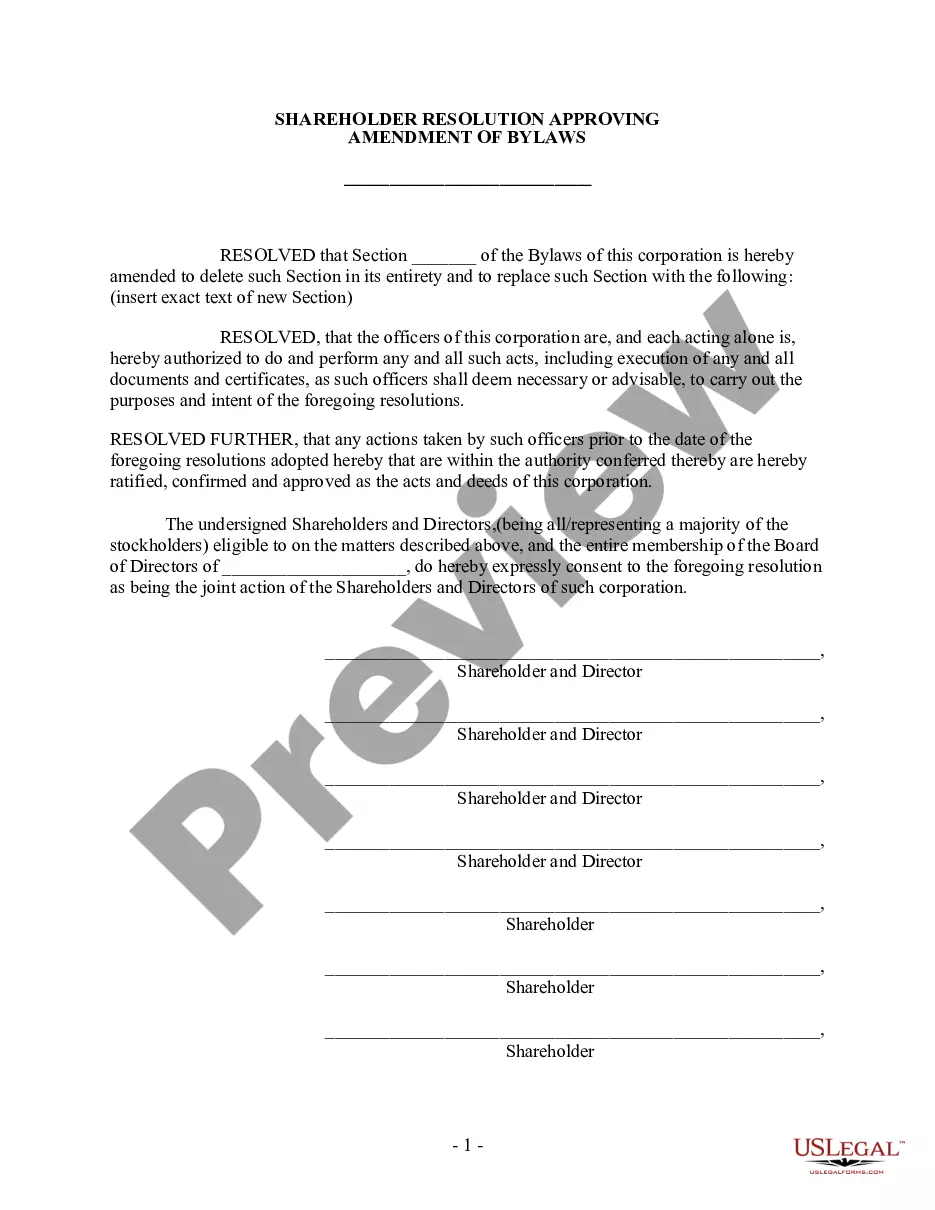
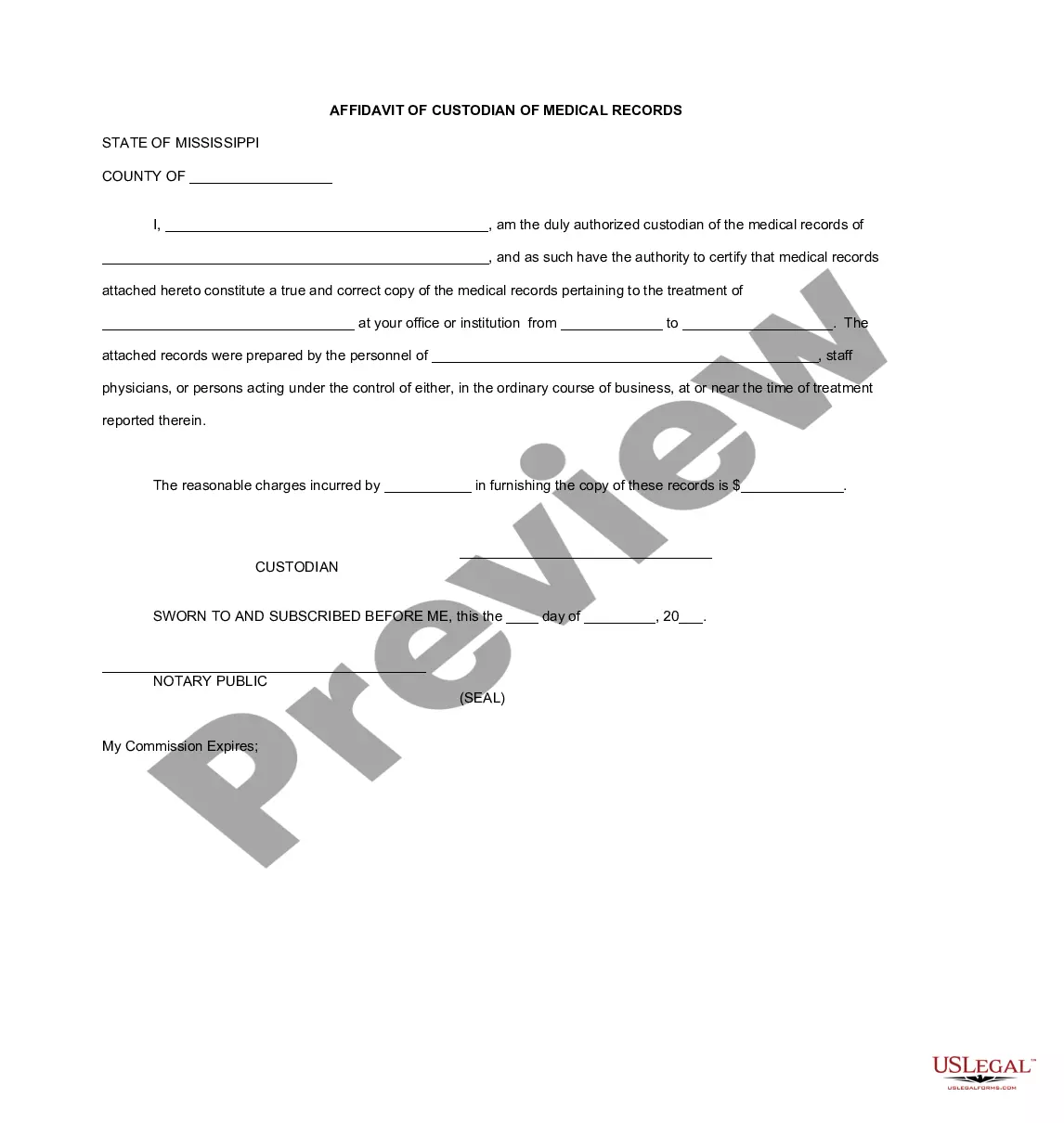
Get your form ready online
Our built-in tools help you complete, sign, share, and store your documents in one place.
Make edits, fill in missing information, and update formatting in US Legal Forms—just like you would in MS Word.
Download a copy, print it, send it by email, or mail it via USPS—whatever works best for your next step.
Sign and collect signatures with our SignNow integration. Send to multiple recipients, set reminders, and more. Go Premium to unlock E-Sign.
If this form requires notarization, complete it online through a secure video call—no need to meet a notary in person or wait for an appointment.
We protect your documents and personal data by following strict security and privacy standards.

Make edits, fill in missing information, and update formatting in US Legal Forms—just like you would in MS Word.

Download a copy, print it, send it by email, or mail it via USPS—whatever works best for your next step.

Sign and collect signatures with our SignNow integration. Send to multiple recipients, set reminders, and more. Go Premium to unlock E-Sign.

If this form requires notarization, complete it online through a secure video call—no need to meet a notary in person or wait for an appointment.

We protect your documents and personal data by following strict security and privacy standards.
Looking for another form?






Form popularity
FAQ
If the decedent has a spouse but no living children: Spouse inherits everything. Read the law: Md. Code, Estates and Trusts, § 3–102(a)
In order to change any information in a Deed, a new Deed has to be prepared. One of the questions this office is most frequently asked is how to remove the name of a deceased person from the deed to property. Unfortunately, this is not a process that can be accomplished by merely providing a death certificate.
To remove a name you have to transfer the title. Do a gift transfer form, and both of you have to sign the current title as the sellers, then you sign as the buyer.
To take someone's name off a deed, a new deed must be prepared to transfer the property from all of the current owners to all of the remaining owners. Similarly, to add someone to a deed a new deed must be prepared to transfer the property from all current owners to all new and current owners.
Maryland Real Property §3-104(f)(1) requires an attorney to certify that any deed, mortgage or deed of trust has been prepared by an attorney or under an attorney's supervision, or a certification that the instrument was prepared by one of the parties named in the instrument, in order to record the instrument.
What is the Elective Share? Maryland law protects spouses from being disinherited by the other. The rule of law called the elective share gives the surviving spouse the right to receive a fixed amount of the deceased spouse's estate.
Typically, Articles of Amendment include the following information: Entity name and state. Date of amendment. Article number being amended. Statement that the article cited is being amended. Amendment. Statement that other sections of the articles remain in full force and effect. Signatures.
What is the Elective Share? Maryland law protects spouses from being disinherited by the other. The rule of law called the elective share gives the surviving spouse the right to receive a fixed amount of the deceased spouse's estate.
You can do this online through Maryland Business Express or by downloading the “Articles of Amendment for a Maryland Corporation” form and filing by mail (or in person) with the Department of Assessments and Taxation. With either method, you'll need to input all the information you gathered during Step 2.
Maryland LLCs that want to file amendments have to file a completed Articles of Amendment form with the State Department of Assessments and Taxation. You can do this by mail, fax, or in person. You can use the fillable form or draft your own. However, the state only accepts typed documents.
