Authorized Shares Formula In Arizona
Description



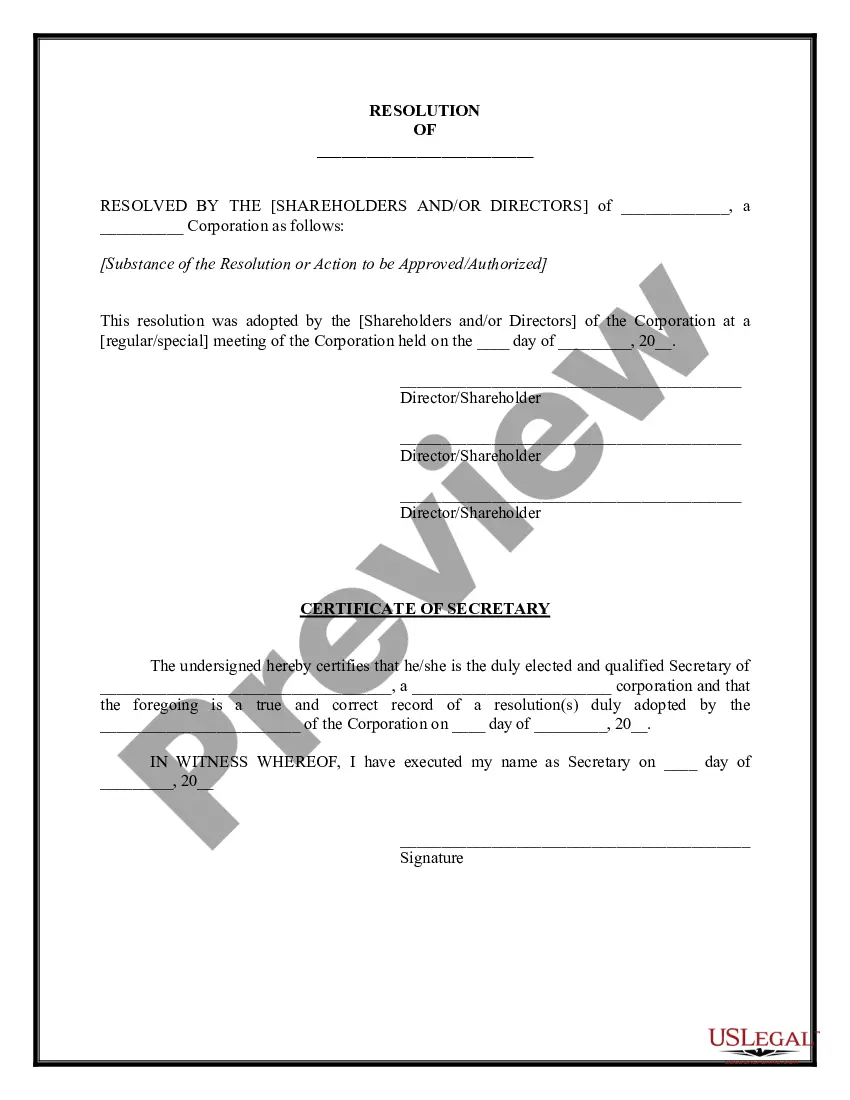
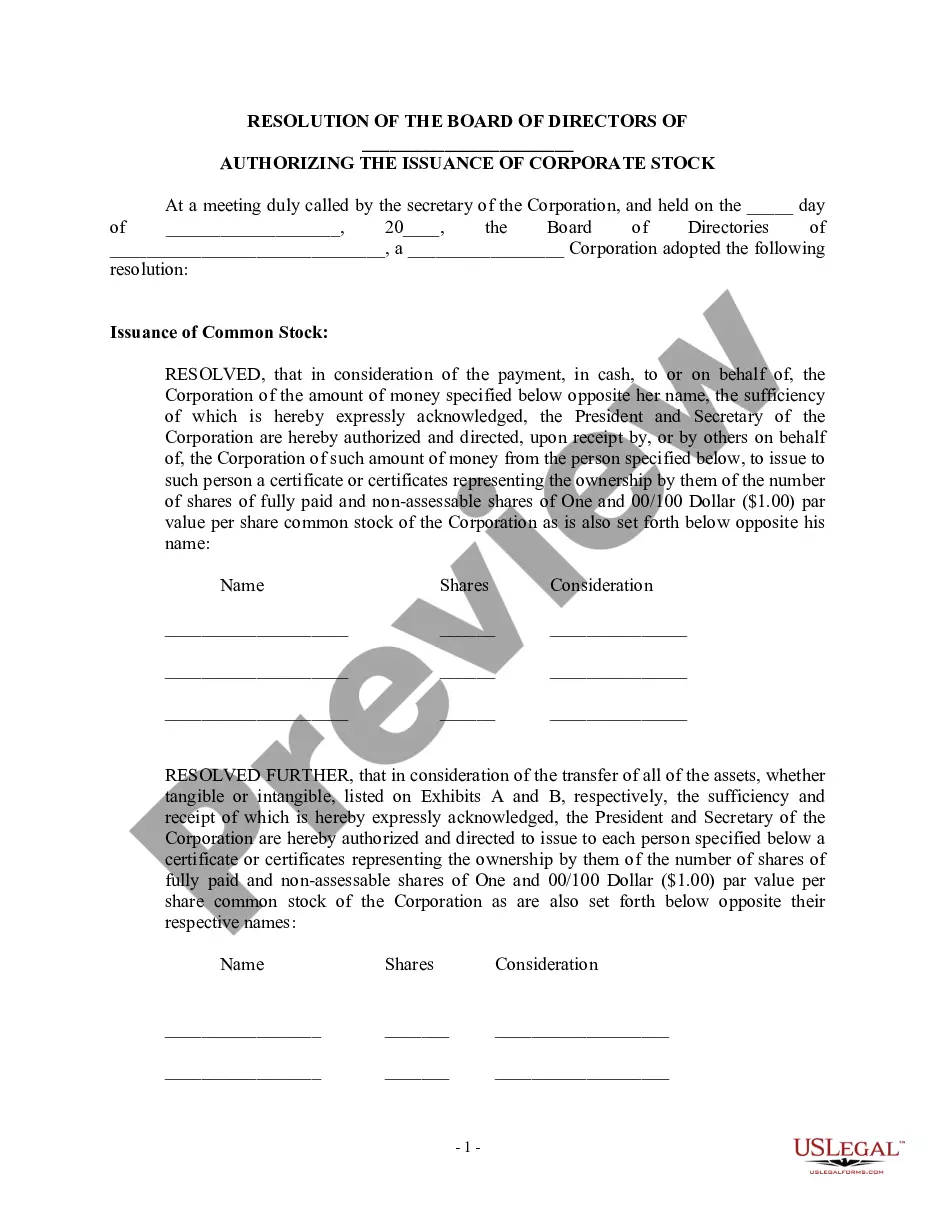
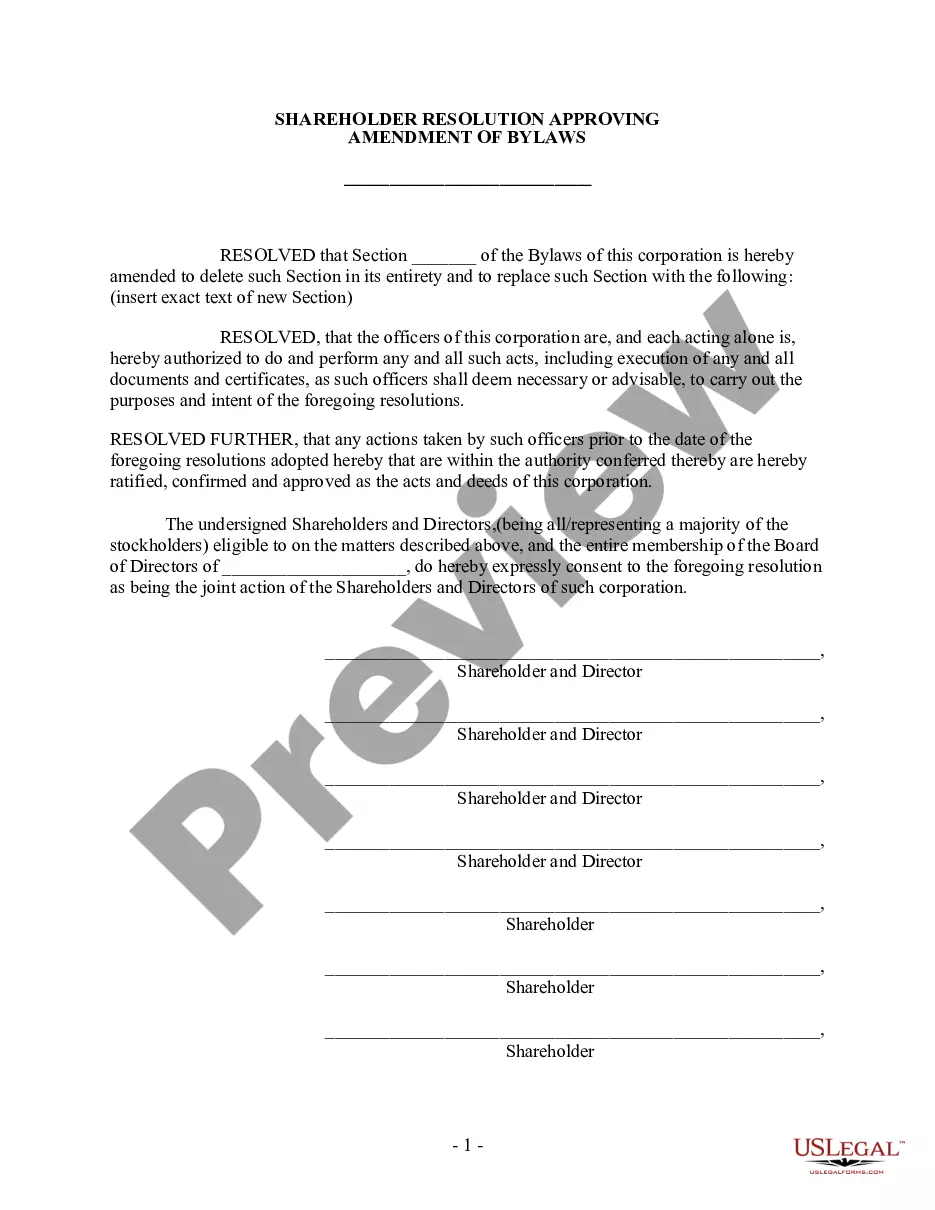
Get your form ready online
Our built-in tools help you complete, sign, share, and store your documents in one place.
Make edits, fill in missing information, and update formatting in US Legal Forms—just like you would in MS Word.
Download a copy, print it, send it by email, or mail it via USPS—whatever works best for your next step.
Sign and collect signatures with our SignNow integration. Send to multiple recipients, set reminders, and more. Go Premium to unlock E-Sign.
If this form requires notarization, complete it online through a secure video call—no need to meet a notary in person or wait for an appointment.
We protect your documents and personal data by following strict security and privacy standards.

Make edits, fill in missing information, and update formatting in US Legal Forms—just like you would in MS Word.

Download a copy, print it, send it by email, or mail it via USPS—whatever works best for your next step.

Sign and collect signatures with our SignNow integration. Send to multiple recipients, set reminders, and more. Go Premium to unlock E-Sign.

If this form requires notarization, complete it online through a secure video call—no need to meet a notary in person or wait for an appointment.

We protect your documents and personal data by following strict security and privacy standards.
Looking for another form?









Form popularity
FAQ
There is no requirement regarding how many shares can be authorized. Enterprises use authorized shares when they go public by offering a company's equity, for instance, through an initial public offering (IPO).
Authorized shares are shares of stock that can be issued by companies to investors. Outstanding shares are shares of stock that have been issued. In other words, authorized shares are the total number of shares that companies can legally issue or sell to investors.
Authorized shares refer to maximum number of shares that a corporation is allowed to issue. This number is usually referenced in a company's Articles of Incorporation. The only way to increase authorized shares is to make an amendment to the aforementioned document.
The number and types of shares authorized in a start-up corporation's initial Certificate of Incorporation is somewhat arbitrary. We generally suggest that a start-up initially authorize 10,000-10,000,000 shares of Common Stock (sometimes referred to in other countries as “ordinary shares” or “voting stock”).
Authorized shares refer to maximum number of shares that a corporation is allowed to issue. This number is usually referenced in a company's Articles of Incorporation. The only way to increase authorized shares is to make an amendment to the aforementioned document.
You can find the balance sheet in its annual report or in any of its quarterly reports. Locate the stockholders' equity section, which is toward the bottom of the balance sheet. There should be a "common stock" section, which can tell you the number of issued shares as well as the number of authorized shares.
If your company's articles contain authorised share capital and you wish to amend or remove the provision, the company shareholders must approve the change by passing a special resolution, which requires a majority vote of 75%. This can be done at a general meeting as well as by written resolution.
Issuing of extra shares will require a resolution to be passed by a general meeting of the company shareholders. The only way of avoiding diluting the company further by issuing shares to new investors is by existing shareholders taking up the extra shares on top of their own.
Share and shareholder information appears on the Companies House register. This means anyone who is interested can freely (and relatively simply) look up a company on the Companies House register and see how many shares are in the company, the type of shares these are (i.e., what class they are), and who owns them.
If a startup does not have a cushion of authorized shares beyond the number of already issued shares, it would first need to deal with the administrative burden of obtaining required board and stockholder approvals to increase the number of authorized shares of common stock, and then would need to file a charter ...
