Motion Time Form With 2 Points In Queens
Description

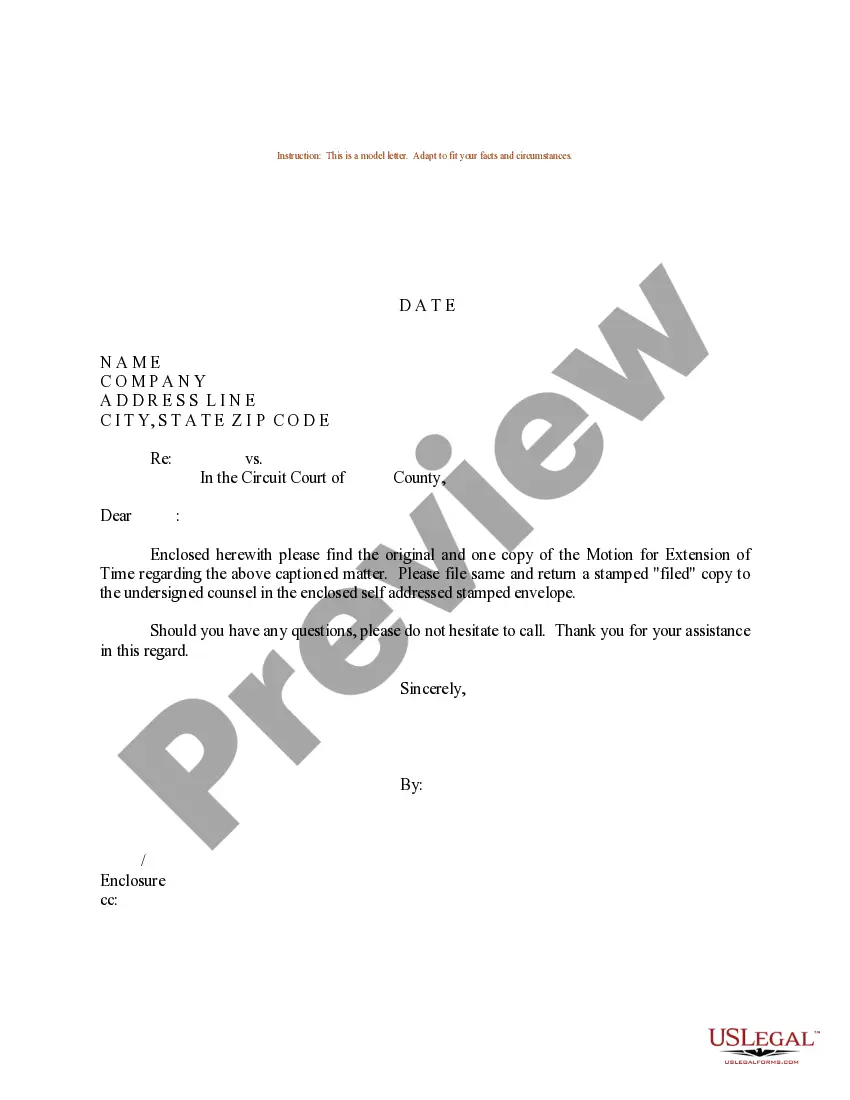
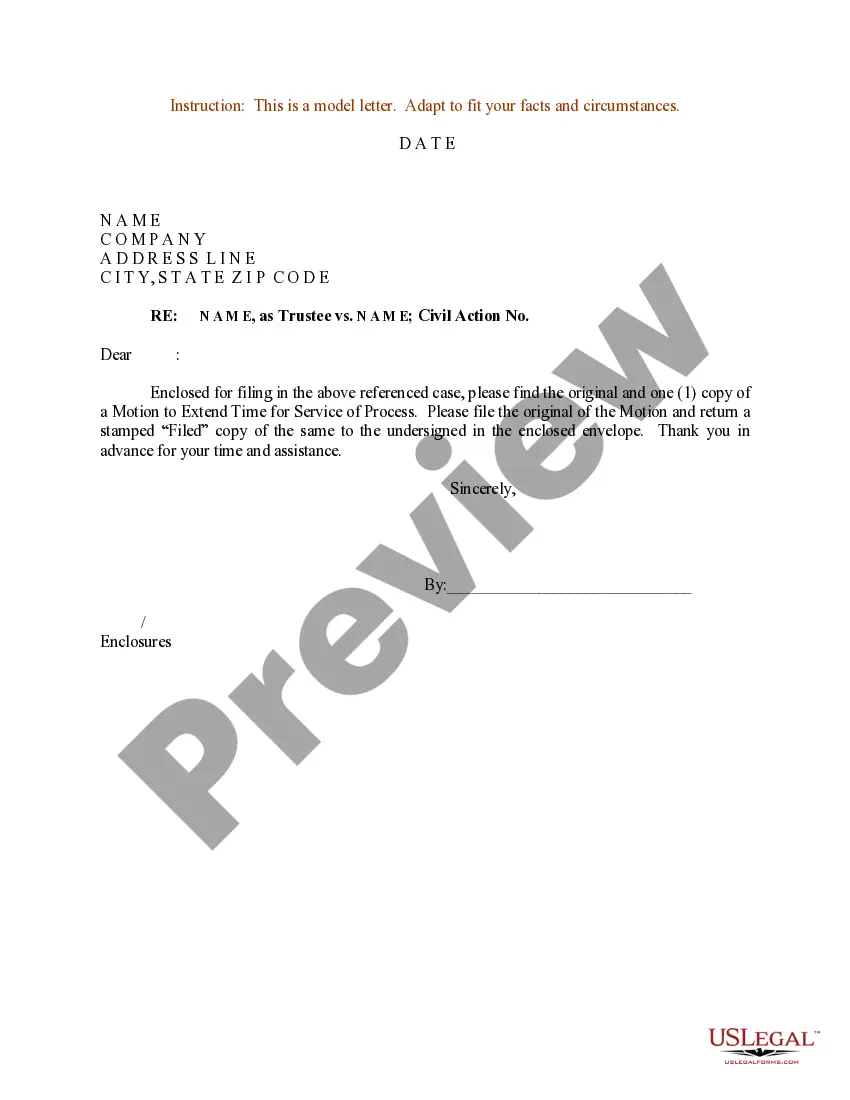
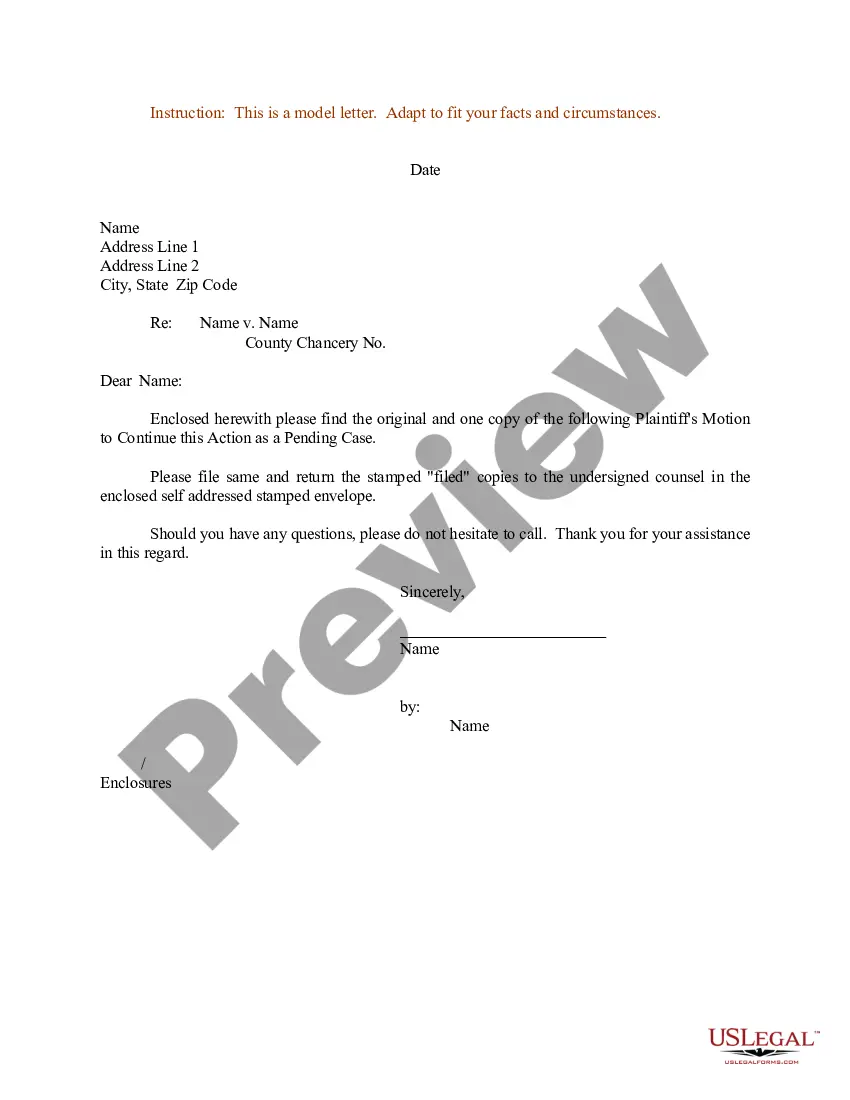
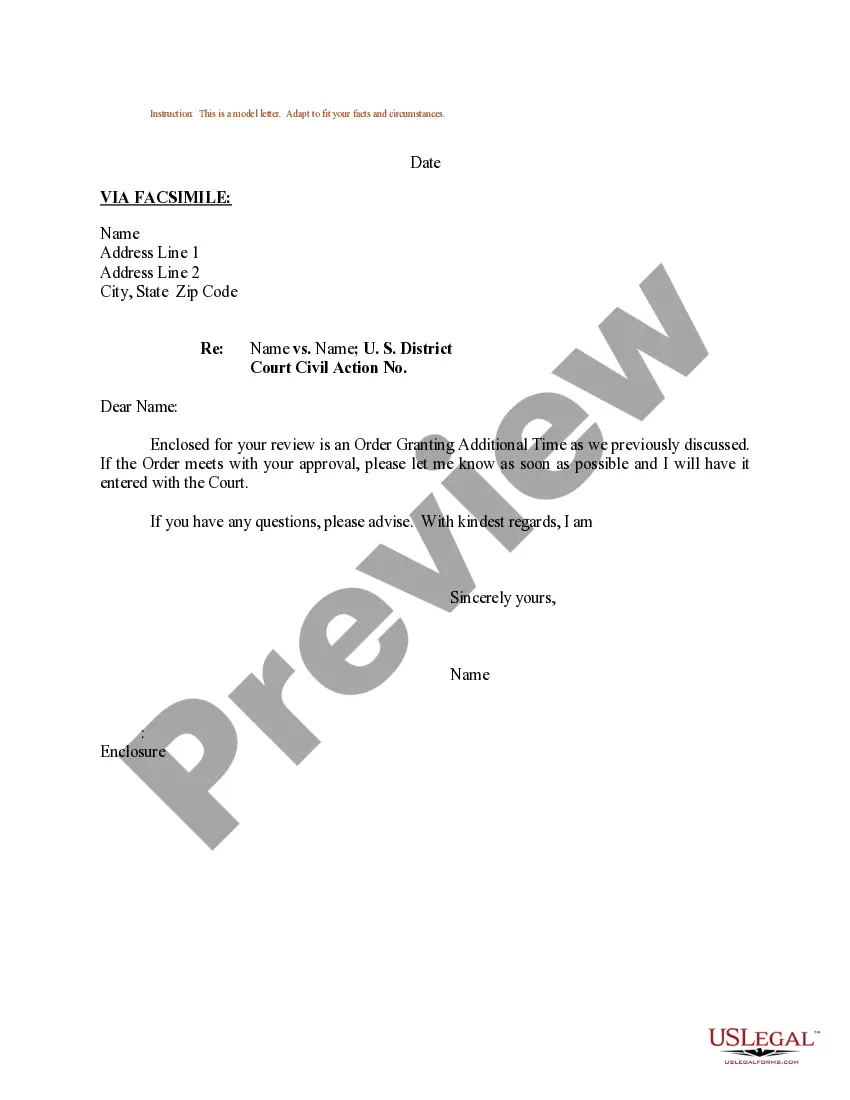
Get your form ready online
Our built-in tools help you complete, sign, share, and store your documents in one place.
Make edits, fill in missing information, and update formatting in US Legal Forms—just like you would in MS Word.
Download a copy, print it, send it by email, or mail it via USPS—whatever works best for your next step.
Sign and collect signatures with our SignNow integration. Send to multiple recipients, set reminders, and more. Go Premium to unlock E-Sign.
If this form requires notarization, complete it online through a secure video call—no need to meet a notary in person or wait for an appointment.
We protect your documents and personal data by following strict security and privacy standards.

Make edits, fill in missing information, and update formatting in US Legal Forms—just like you would in MS Word.

Download a copy, print it, send it by email, or mail it via USPS—whatever works best for your next step.

Sign and collect signatures with our SignNow integration. Send to multiple recipients, set reminders, and more. Go Premium to unlock E-Sign.

If this form requires notarization, complete it online through a secure video call—no need to meet a notary in person or wait for an appointment.

We protect your documents and personal data by following strict security and privacy standards.
Looking for another form?







Form popularity
FAQ
In order to make a motion in the Court of Claims, you must prepare a set of "motion papers," serve a copy of the motion papers on the opposing party or the opposing party's attorney, and submit the original and two copies of the motion papers to the Clerk of the Court, with an Affidavit of Service (a sworn statement ...
In order to make a motion in the Court of Claims, you must prepare a set of "motion papers," serve a copy of the motion papers on the opposing party or the opposing party's attorney, and submit the original and two copies of the motion papers to the Clerk of the Court, with an Affidavit of Service (a sworn statement ...
The return date is the court date. The party making the motion chooses the court date and puts it in the Notice of Motion so everyone knows when to come to court. NYSCEF wants to know the court date and has a calendar button to find the court date you picked.
Petitions are the first step, introducing the case to the court, whereas motions are maneuvers within the ongoing litigation, addressing issues as they arise. This difference is critical, impacting how these documents are used to advance a party's position in the case.
A motion is heard on a 24 day cycle, meaning that when you file a motion, you can expect that your case will be scheduled before a judge within approximately 24 days. There is often times a motion can be delayed when an adjournment is requested or when the court's calendar requires.
Things You Should Know Title your motion and identify yourself in the introduction. Write your legal argument by stating the rule and explaining how your facts apply to it. File your motion with the clerk of court overseeing your case.
A motion may be withdrawn at any time prior to its return date by filing with the clerk a written request signed by counsel for the moving party. A request to withdraw a motion after submission must be supported by a stipulation of withdrawal signed by all counsel.
Motions made by notice of motion and petitions and notices of petition in special proceedings are processed by the General Clerk's Office (Room 119) and are to be made returnable in the Motion Submission Part Courtroom (Room 130) on any business day of the week at AM.

