Letter Template Examples In Orange
Description

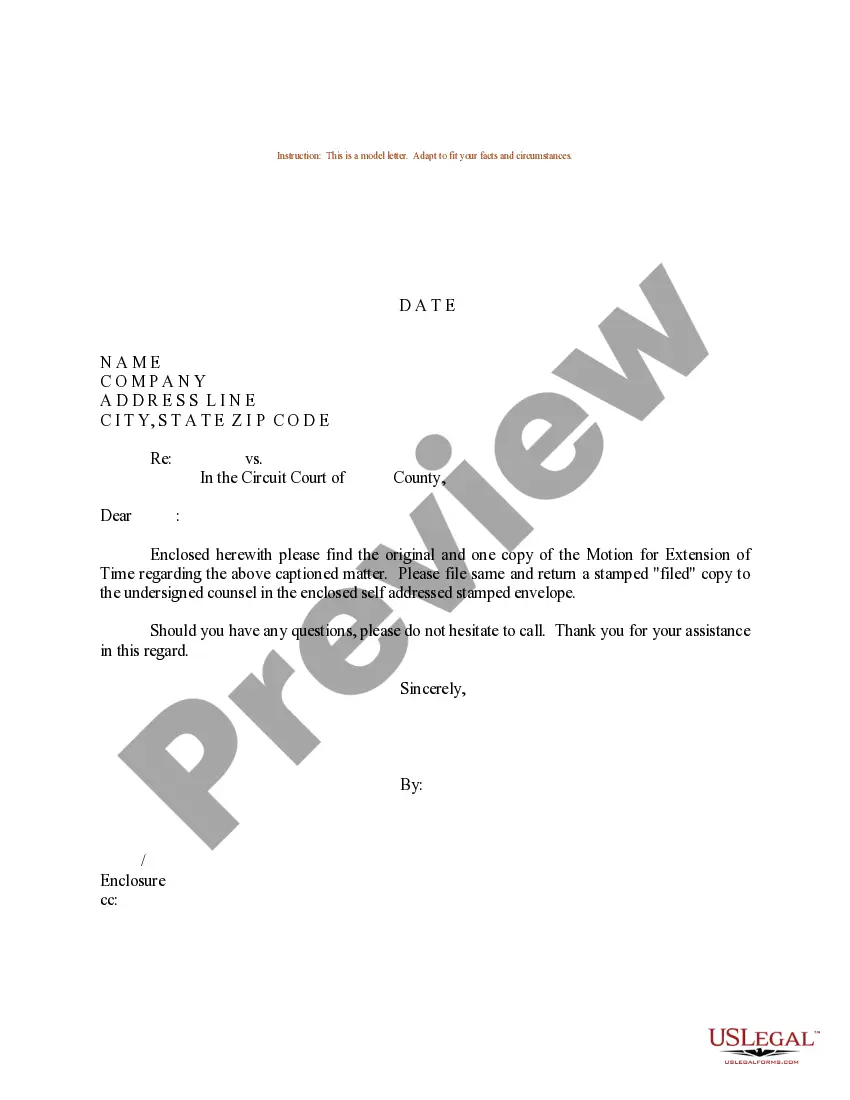
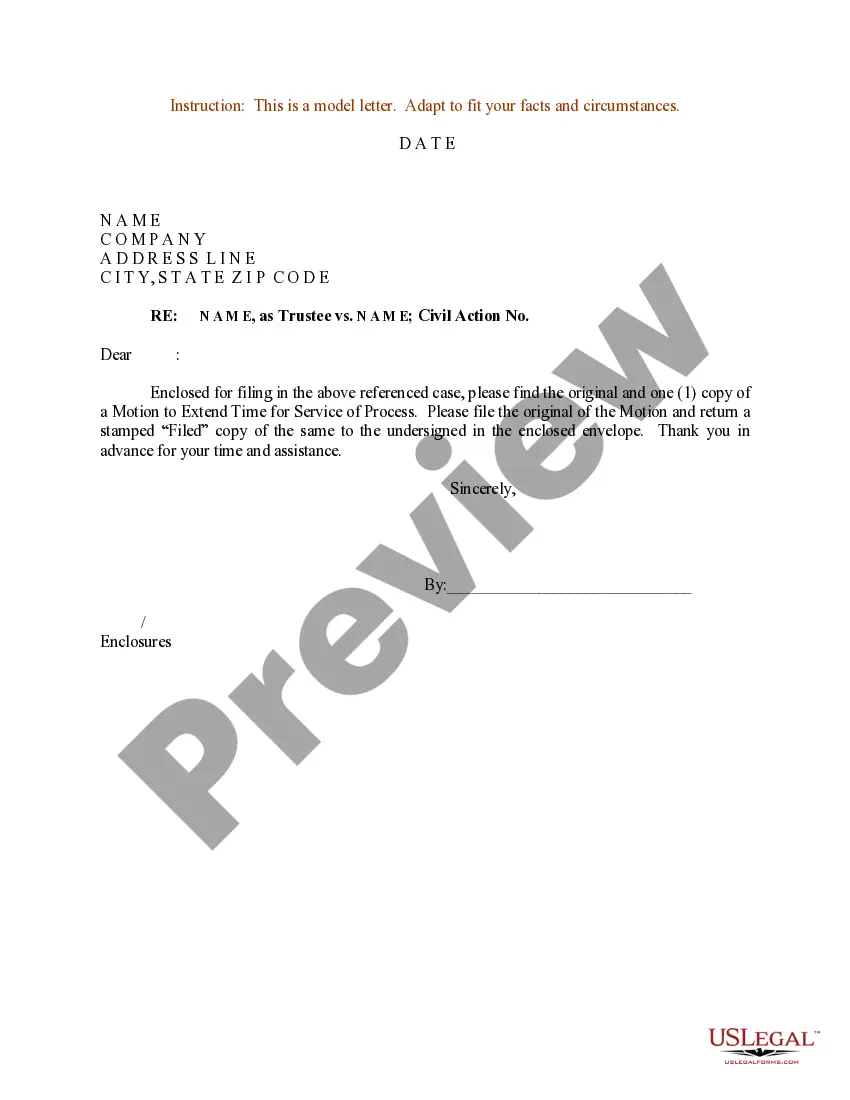
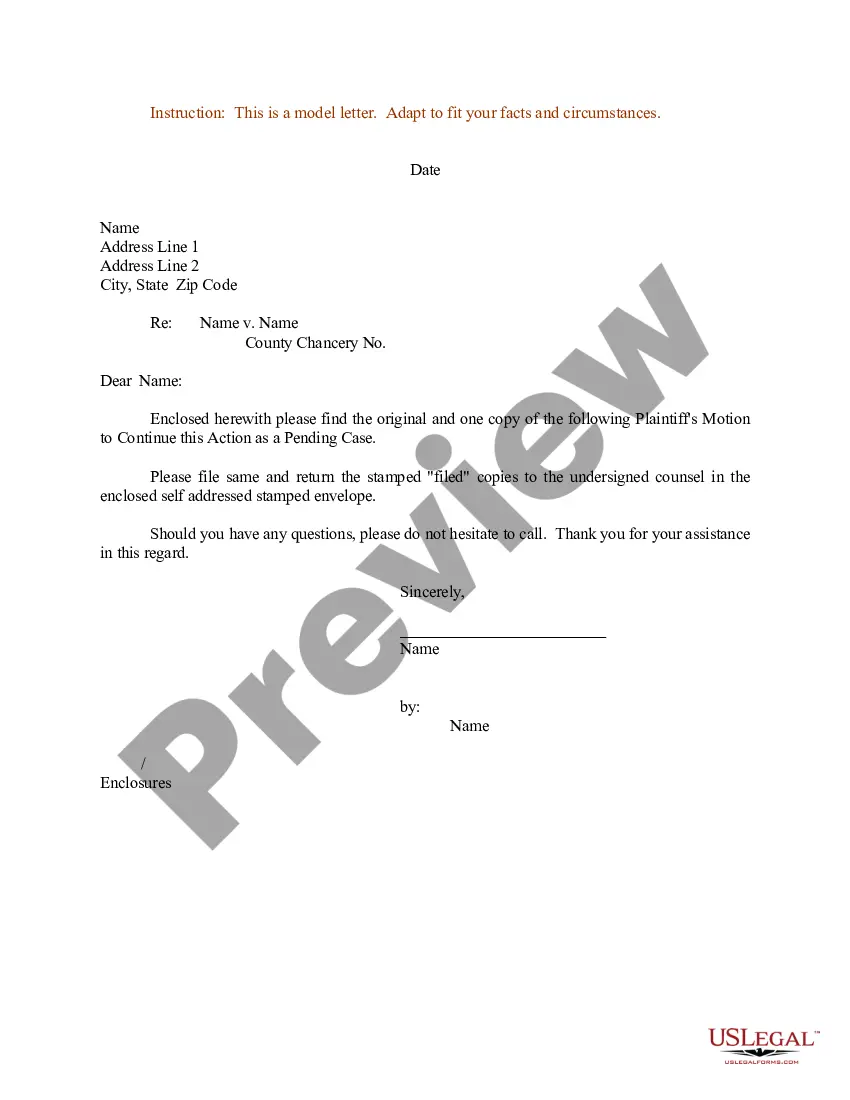
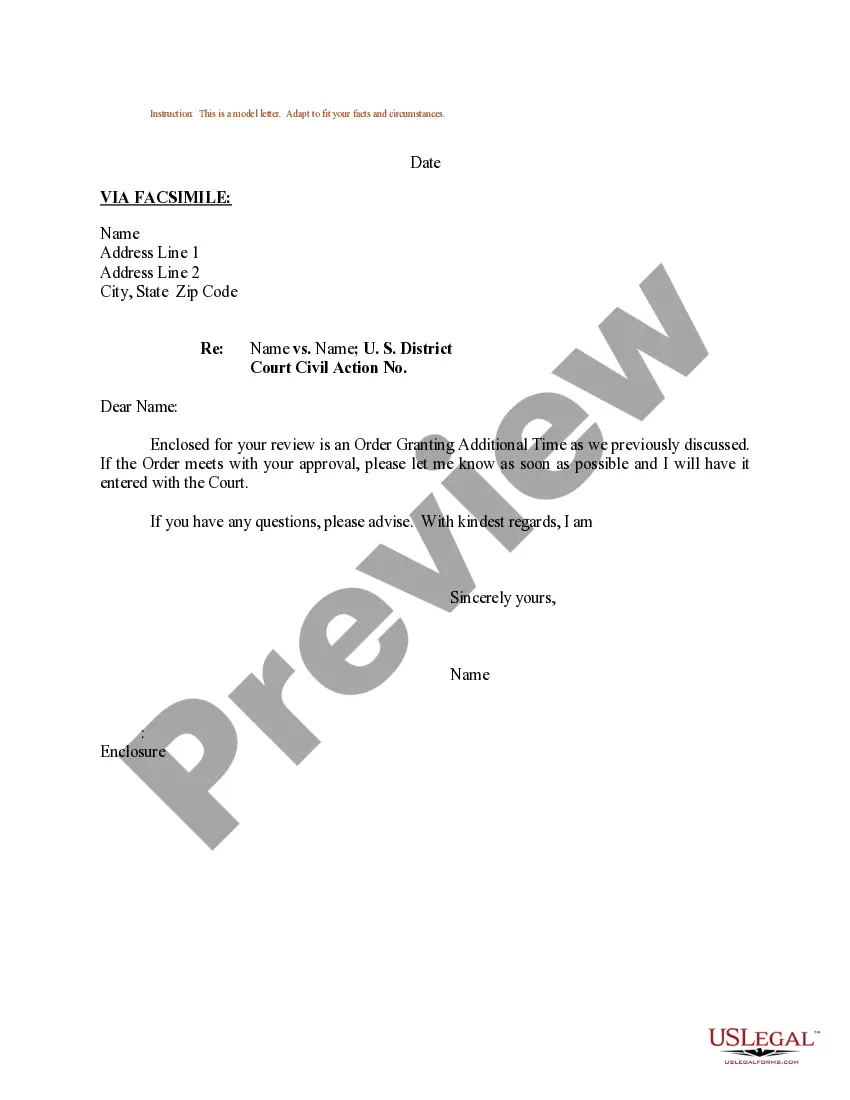
Get your form ready online
Our built-in tools help you complete, sign, share, and store your documents in one place.
Make edits, fill in missing information, and update formatting in US Legal Forms—just like you would in MS Word.
Download a copy, print it, send it by email, or mail it via USPS—whatever works best for your next step.
Sign and collect signatures with our SignNow integration. Send to multiple recipients, set reminders, and more. Go Premium to unlock E-Sign.
If this form requires notarization, complete it online through a secure video call—no need to meet a notary in person or wait for an appointment.
We protect your documents and personal data by following strict security and privacy standards.

Make edits, fill in missing information, and update formatting in US Legal Forms—just like you would in MS Word.

Download a copy, print it, send it by email, or mail it via USPS—whatever works best for your next step.

Sign and collect signatures with our SignNow integration. Send to multiple recipients, set reminders, and more. Go Premium to unlock E-Sign.

If this form requires notarization, complete it online through a secure video call—no need to meet a notary in person or wait for an appointment.

We protect your documents and personal data by following strict security and privacy standards.
Looking for another form?



Form popularity
FAQ
If you need help creating a resume or cover letter, start with one of the dozens of professionally-designed resume and cover letter templates that are available in Word. Go to File > New. In the search box, type Resume or Cover Letter. Double-click the template you want to use.
A professional letter template is a layout of a business letter that can guide you when writing a similar document. These letters may be as a welcome, complaint, or resignation letter. The template provides a guide with structure and the expected content. They also identify the tone and style to adopt.
Tip: If you're already in Word for the web, get to the letter templates by going to File > New, and then below the template images click More on Office. You'll be on the Templates for Word page. In the list of categories, click Letters. As you work on the letter, you'll probably want to rename it.
Word Open the Word document that you want to save as a template. On the File menu, select Save as Template. In the Save As box, type the name that you want to use for the new template. (Optional) In the Where box, choose a location where the template will be saved.
Here's a breakdown of how a cover letter should be structured: Add your name and contact information to the header. Open with a salutation. Write a compelling introduction. Elaborate on your achievements in the body paragraph(s) ... Conclude with a call to action. End with a professional sign-off.
What to include in an official letter A heading that lists your address and the recipient's address. A formal salutation. One paragraph stating your reasons for writing the letter. Another paragraph expanding further on the introduction paragraph. A final paragraph concluding the letter. Closing letter signature.
Elements: full mailing address of the sender. date on which letter is written. address of person to whom letter is addressed. subject line. salutation. body (the main message) complimentary closing. signature line (be sure to sign your letter)

