Sample Example Of Formal Letter In Maryland
Description



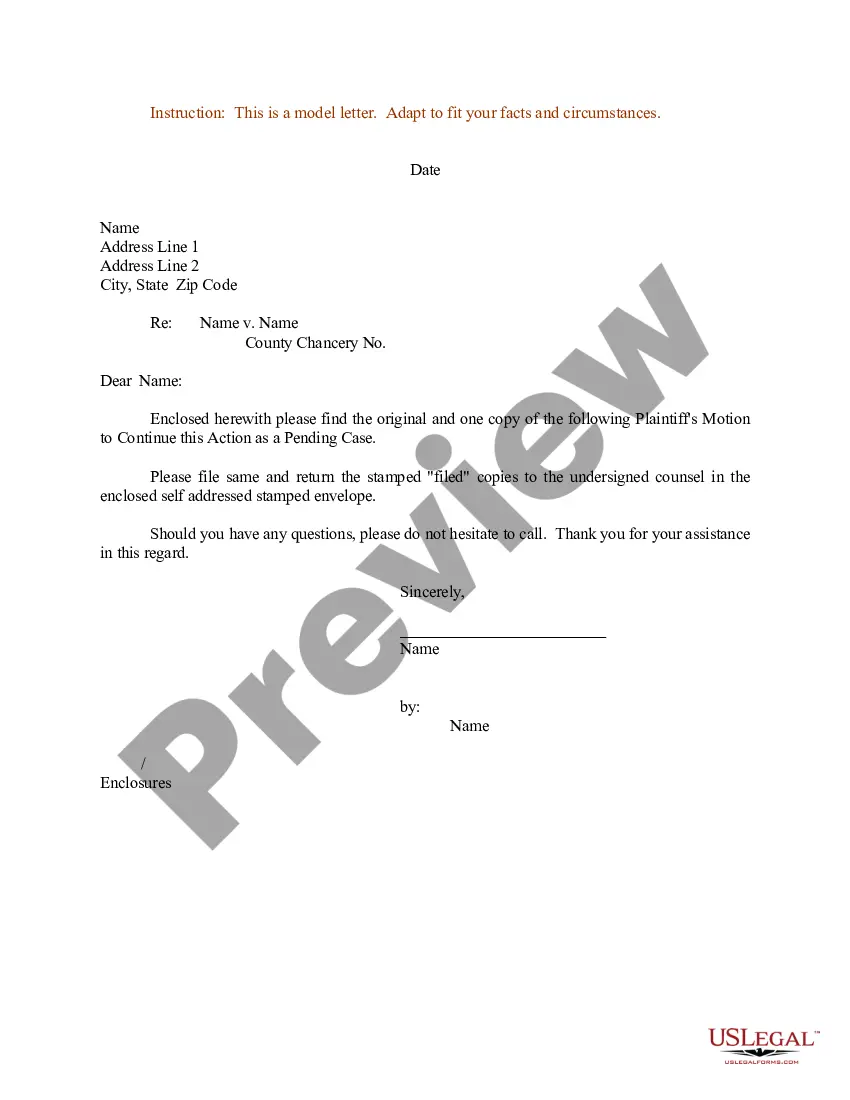
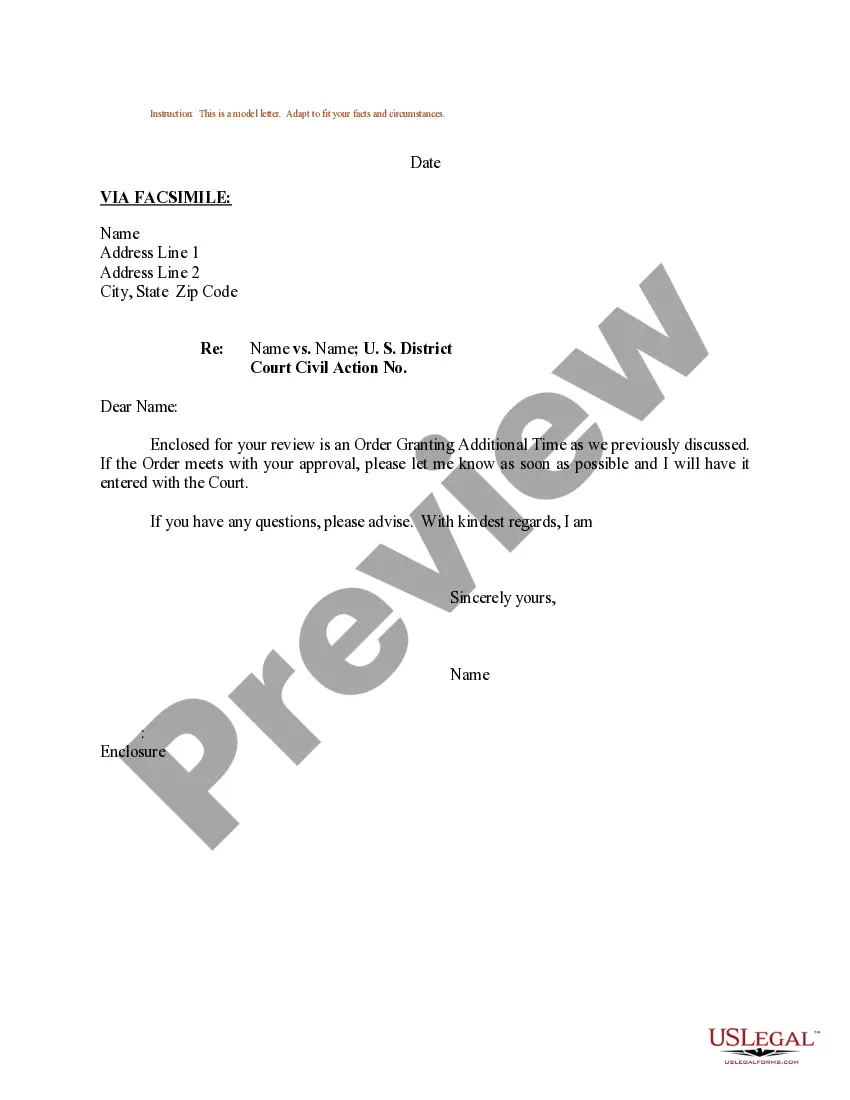
Get your form ready online
Our built-in tools help you complete, sign, share, and store your documents in one place.
Make edits, fill in missing information, and update formatting in US Legal Forms—just like you would in MS Word.
Download a copy, print it, send it by email, or mail it via USPS—whatever works best for your next step.
Sign and collect signatures with our SignNow integration. Send to multiple recipients, set reminders, and more. Go Premium to unlock E-Sign.
If this form requires notarization, complete it online through a secure video call—no need to meet a notary in person or wait for an appointment.
We protect your documents and personal data by following strict security and privacy standards.

Make edits, fill in missing information, and update formatting in US Legal Forms—just like you would in MS Word.

Download a copy, print it, send it by email, or mail it via USPS—whatever works best for your next step.

Sign and collect signatures with our SignNow integration. Send to multiple recipients, set reminders, and more. Go Premium to unlock E-Sign.

If this form requires notarization, complete it online through a secure video call—no need to meet a notary in person or wait for an appointment.

We protect your documents and personal data by following strict security and privacy standards.
Looking for another form?





Form popularity
FAQ
There are some commonly used formats that include MLA, APA, AMA, Chicago, Turabian, and Harvard. These types of formats for writing are important as they help organize your work. Failure to use the proper format may cause you to lose some points which end up lowering your overall grade.
The elements found in typical business letters are: full mailing address of the sender. date on which letter is written. address of person to whom letter is addressed. subject line. salutation. body (the main message) complimentary closing. signature line (be sure to sign your letter)
How to write a formal letter Write your name and contact information. Include the date. Include the recipient's name and contact information. Write a subject line for AMS style. Write a salutation for block style. Write the body of the letter. Include a sign-off. Proofread your letter.
Understanding these aspects will guide your tone and content. 2 Start With a Proper Format: Formal letters have a specific layout that includes the sender's address, date, recipient's address, salutation, body, close, and signature. Align your text to the left and use a professional font like Times New Roman or Arial.
Follow these steps when writing a block or AMS formal letter: Write your name and contact information. Include the date. Include the recipient's name and contact information. Write a subject line for AMS style. Write a salutation for block style. Write the body of the letter. Include a sign-off. Proofread your letter.
Most business letters must include a return address (letterhead or your name and address), date, an inside address (receiver's name and address), a salutation, body paragraphs, and a closing.
First Paragraph—state the purpose of the letter in a direct manner. E.g. “I am writing to…” Second Paragraph—Fill in and explain the necessary background information, leaving out anything that is unnecessary. Stick to the facts. Third Paragraph—Give your call to action.
For the salutation, “Dear name:” is most common, although some writers choose to omit “Dear.” Do your best to identify the name of the person to whom you're sending the letter; “To Whom It May Concern” is outdated. If you don't know the name, you can use the person's title (e.g., “Dear Hiring Manager”).

