Sample Letter Example In Hillsborough
Description



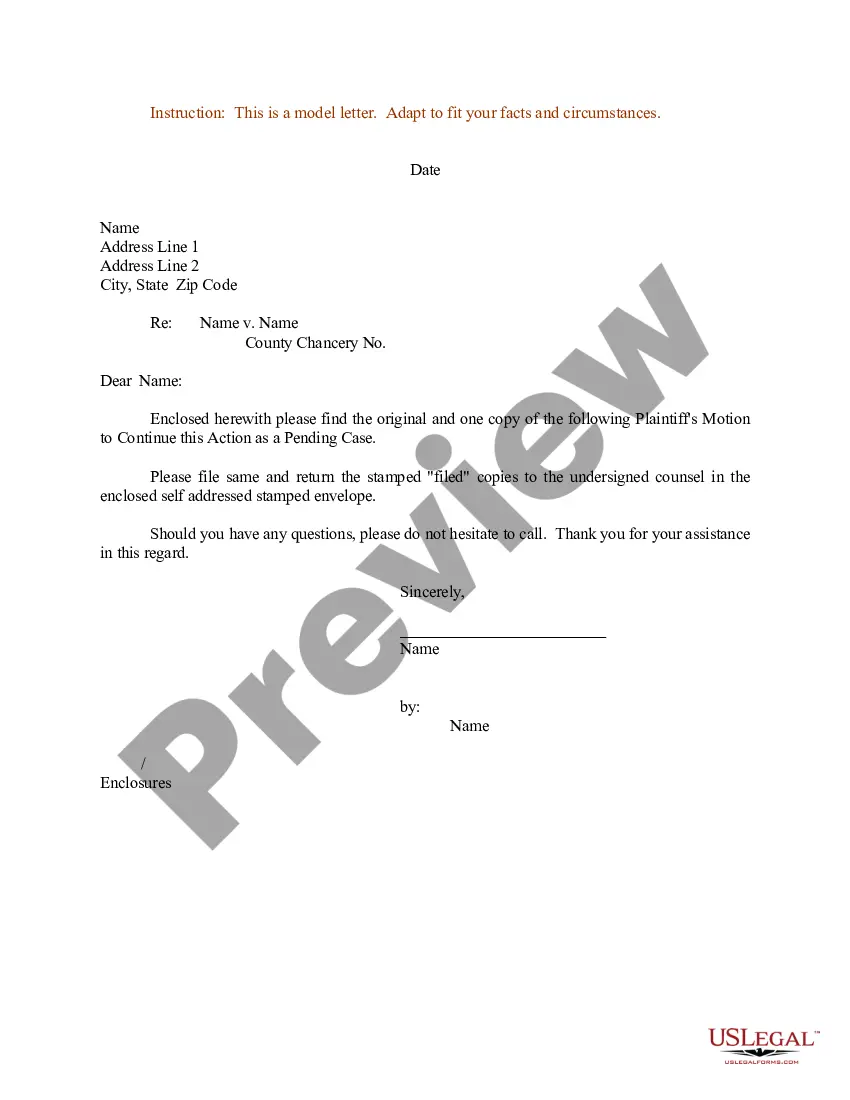
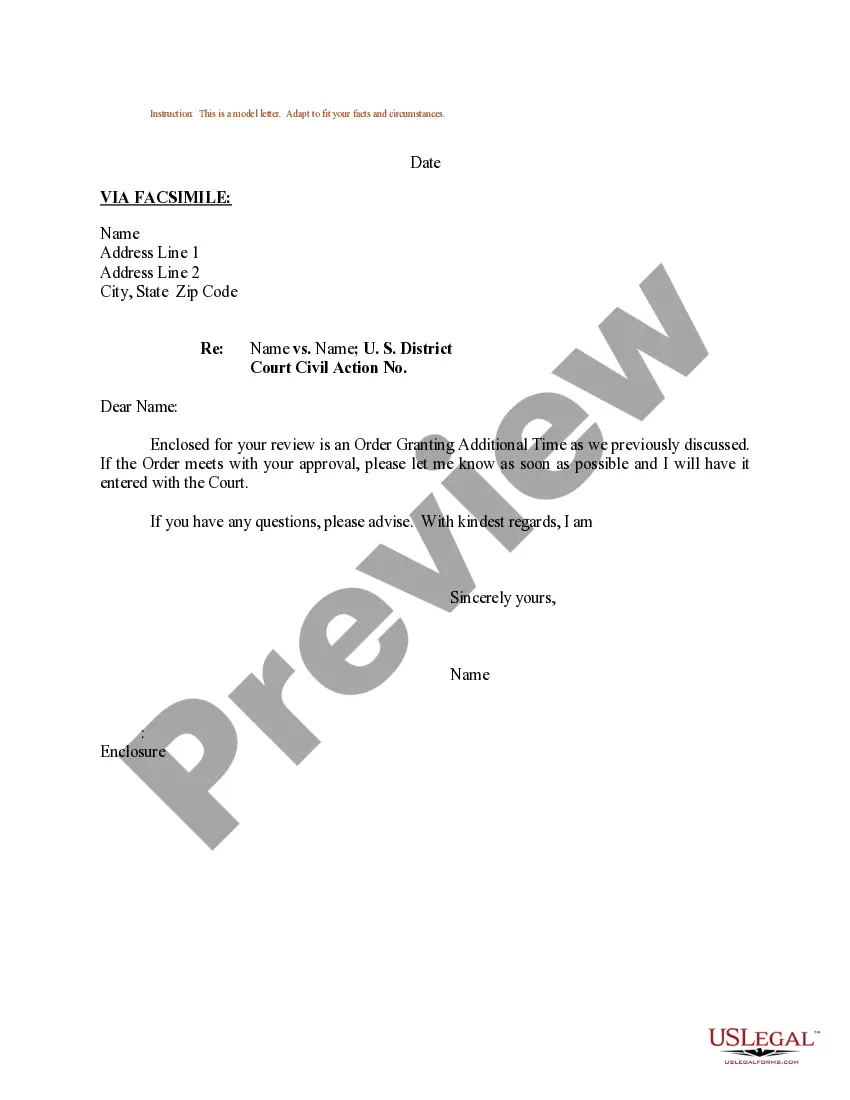
Get your form ready online
Our built-in tools help you complete, sign, share, and store your documents in one place.
Make edits, fill in missing information, and update formatting in US Legal Forms—just like you would in MS Word.
Download a copy, print it, send it by email, or mail it via USPS—whatever works best for your next step.
Sign and collect signatures with our SignNow integration. Send to multiple recipients, set reminders, and more. Go Premium to unlock E-Sign.
If this form requires notarization, complete it online through a secure video call—no need to meet a notary in person or wait for an appointment.
We protect your documents and personal data by following strict security and privacy standards.

Make edits, fill in missing information, and update formatting in US Legal Forms—just like you would in MS Word.

Download a copy, print it, send it by email, or mail it via USPS—whatever works best for your next step.

Sign and collect signatures with our SignNow integration. Send to multiple recipients, set reminders, and more. Go Premium to unlock E-Sign.

If this form requires notarization, complete it online through a secure video call—no need to meet a notary in person or wait for an appointment.

We protect your documents and personal data by following strict security and privacy standards.
Looking for another form?





Form popularity
FAQ
For the salutation, “Dear name:” is most common, although some writers choose to omit “Dear.” Do your best to identify the name of the person to whom you're sending the letter; “To Whom It May Concern” is outdated. If you don't know the name, you can use the person's title (e.g., “Dear Hiring Manager”).
Start your letter with “The Principal”, school name and date, followed by the subject, salutation and then the body of the letter in which you convey the reason behind your letter.
How to write a formal letter Write your name and contact information. Include the date. Include the recipient's name and contact information. Write a subject line for AMS style. Write a salutation for block style. Write the body of the letter. Include a sign-off. Proofread your letter.
2 Start With a Proper Format: Formal letters have a specific layout that includes the sender's address, date, recipient's address, salutation, body, close, and signature. Align your text to the left and use a professional font like Times New Roman or Arial.
2 Start With a Proper Format: Formal letters have a specific layout that includes the sender's address, date, recipient's address, salutation, body, close, and signature. Align your text to the left and use a professional font like Times New Roman or Arial.
Format of Letter to the Principal From address. Date. To address. Subject. Salutation. Body explaining the reason behind the letter. Letter ending with a complimentary close.
Dear (Principal's name), In this paragraph say who you are and give your child's full name and current class placement. Say something positive about your child's situation here, before you state your reason for writing. BRIEFLY, explain why you are writing.
Keep it short and sweet. This email should be no longer than two paragraphs. Briefly introduce yourself, where you got your certification from, where you got your experience from, and why you are interested in this particular school. Attach your resume.
Dear (Principal's Name), I am writing to (state the purpose of your letter – request, complaint, suggestion, etc.). (Provide a detailed explanation of your request or concern. Include relevant information such as dates, specifics, and any other details that support your reason for writing.)
The format of a formal letter to the principal of a school is given below: Sender Address: Name ... Receivers Address: Principal/Teacher/HOD ... Subject: Subject: Name the request/complaint Salutation: Dear Sir/Madam Respected Class Teacher, etc. Body of the Letter. Complimentary Closing. Signature:

