Example Of Formal Letter Template In Dallas
Description

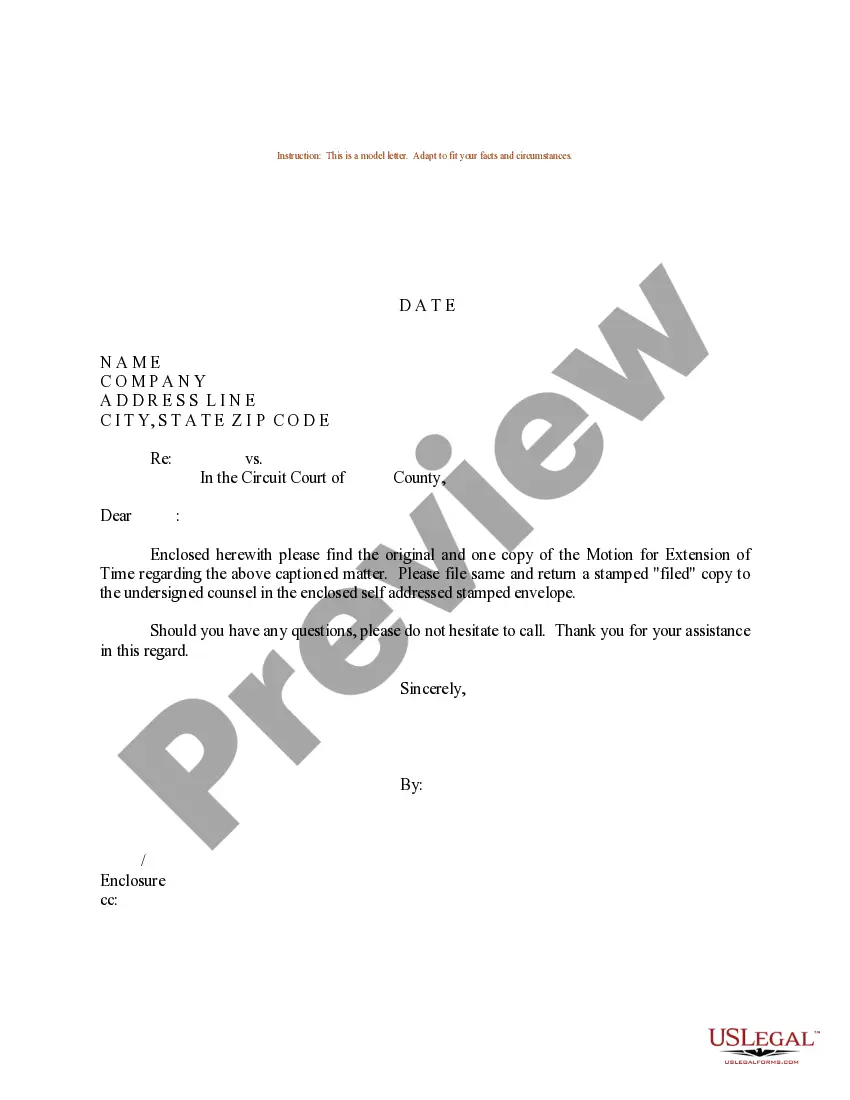
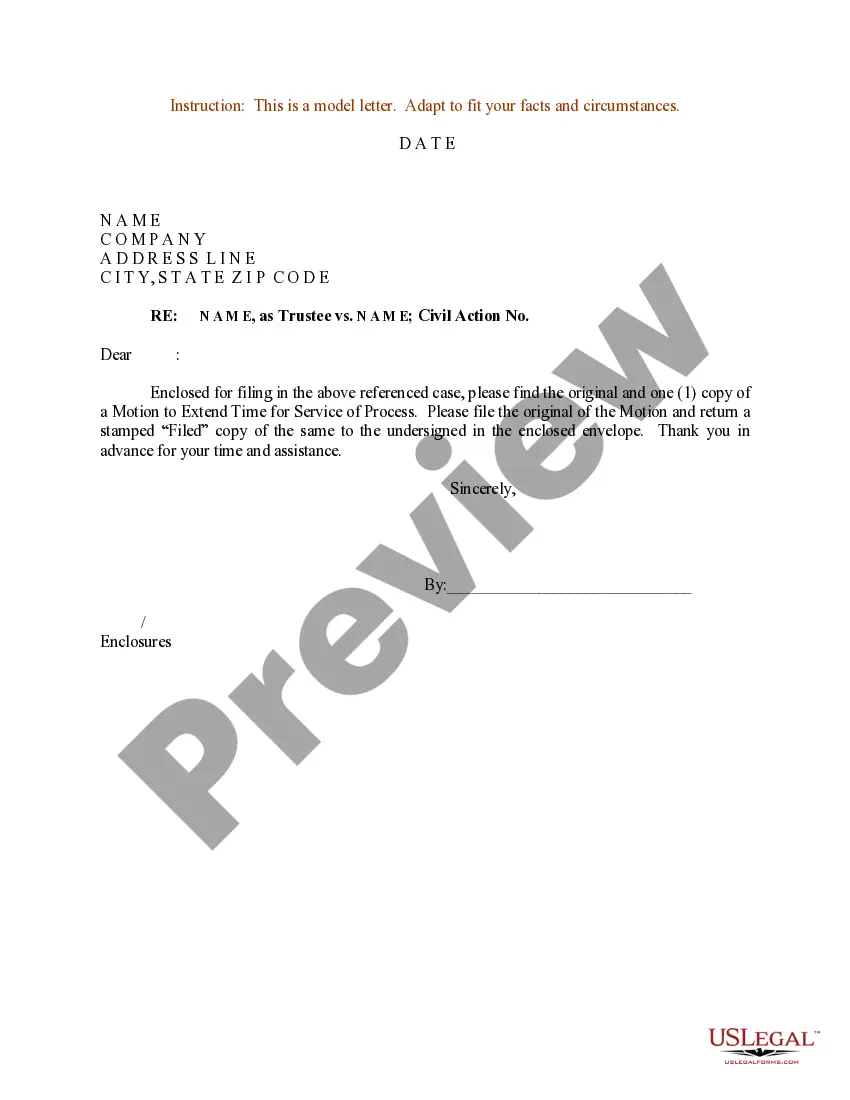
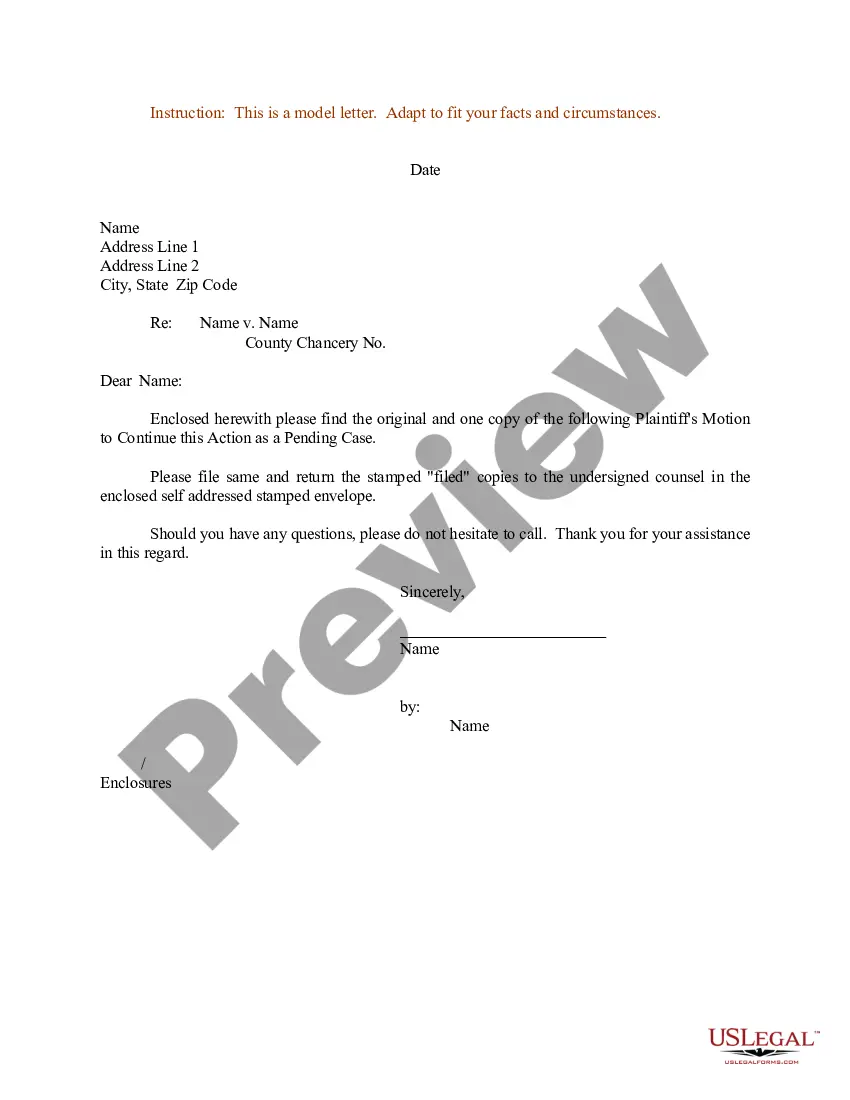
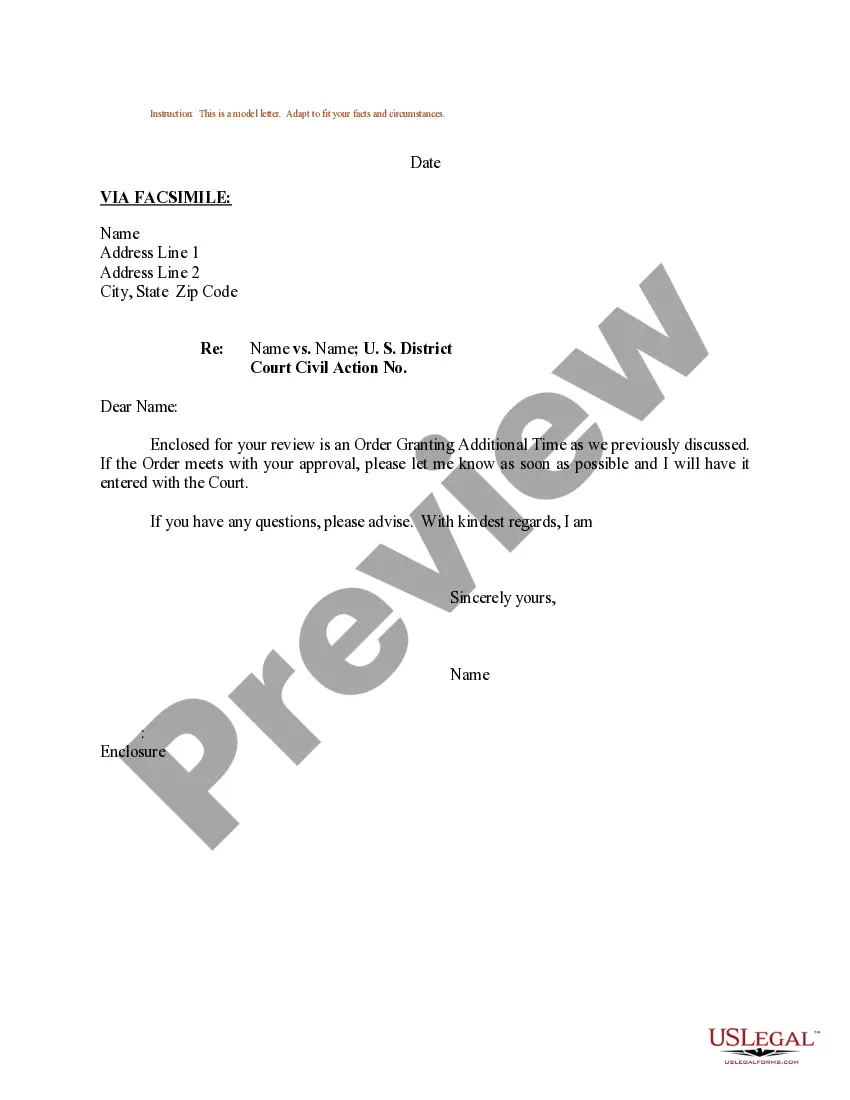
Get your form ready online
Our built-in tools help you complete, sign, share, and store your documents in one place.
Make edits, fill in missing information, and update formatting in US Legal Forms—just like you would in MS Word.
Download a copy, print it, send it by email, or mail it via USPS—whatever works best for your next step.
Sign and collect signatures with our SignNow integration. Send to multiple recipients, set reminders, and more. Go Premium to unlock E-Sign.
If this form requires notarization, complete it online through a secure video call—no need to meet a notary in person or wait for an appointment.
We protect your documents and personal data by following strict security and privacy standards.

Make edits, fill in missing information, and update formatting in US Legal Forms—just like you would in MS Word.

Download a copy, print it, send it by email, or mail it via USPS—whatever works best for your next step.

Sign and collect signatures with our SignNow integration. Send to multiple recipients, set reminders, and more. Go Premium to unlock E-Sign.

If this form requires notarization, complete it online through a secure video call—no need to meet a notary in person or wait for an appointment.

We protect your documents and personal data by following strict security and privacy standards.
Looking for another form?










Form popularity
FAQ
They can help you avoid embarrassing errors. Sincerely. Sincerely (or sincerely yours) is often the go-to sign off for formal letters, and with good reason. Best. Best regards. Speak to you soon. Thanks. No sign-off ... Yours truly. Take care.
If you're unsure how to close a professional letter, use a more formal closing just to be safe. “Sincerely,” “Regards,” and “Appreciatively” are all appropriate closings for formal letters. “Take care,” “Have a good day,” and “Thanks!” work for a more informal approach.
When opening a formal letter, the most appropriate approach is to begin with a clear and respectful salutation. The traditional and most widely accepted way to start a formal letter is with the phrase ``Dear (recipient's title and name),'' such as ``Dear Mr.
Elements: full mailing address of the sender. date on which letter is written. address of person to whom letter is addressed. subject line. salutation. body (the main message) complimentary closing. signature line (be sure to sign your letter)
What to include in an official letter A heading that lists your address and the recipient's address. A formal salutation. One paragraph stating your reasons for writing the letter. Another paragraph expanding further on the introduction paragraph. A final paragraph concluding the letter. Closing letter signature.
Follow a standard letter format, including your contact information (sender's address and date), recipient's contact information (name, title, organization, and address), salutation (eg, ``Dear Mr. Smith:''), body of the letter, closing (eg, ``Sincerely,'' or ``Yours faithfully,''), and your signature.
How to write a formal letter Write your name and contact information. Include the date. Include the recipient's name and contact information. Write a subject line for AMS style. Write a salutation for block style. Write the body of the letter. Include a sign-off. Proofread your letter.
Use formal salutations such as "Dear Recipient's Full Name" or "Dear Recipient's Title and Last Name." If you are unsure of the recipient's gender or prefer a more neutral approach, use "Dear Recipient's Full Name" or "To Whom It May Concern."
How to write an introduction letter Write a greeting. Include a sentence on why you're writing. Present the full name of the person you're introducing. Explain their role and how it is relevant to the reader. Provide information on how they might work together or be helpful for each other.
Format of a Formal Letter Sender's address: This should be your full name and address, including your city, state, and zip code. Date: The date should be written in the following format: month day, year. Recipient's address: This is the full name and address of the person you are writing to.

