Letter Template Examples In California
Description

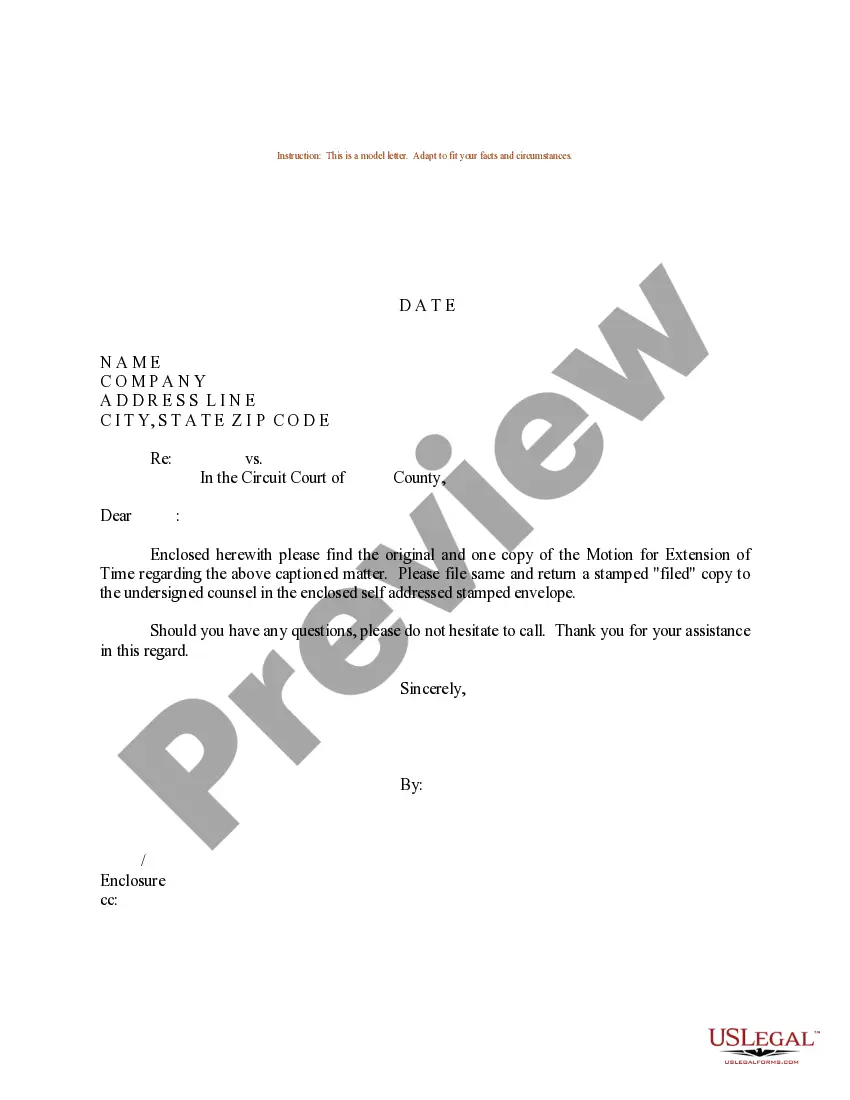
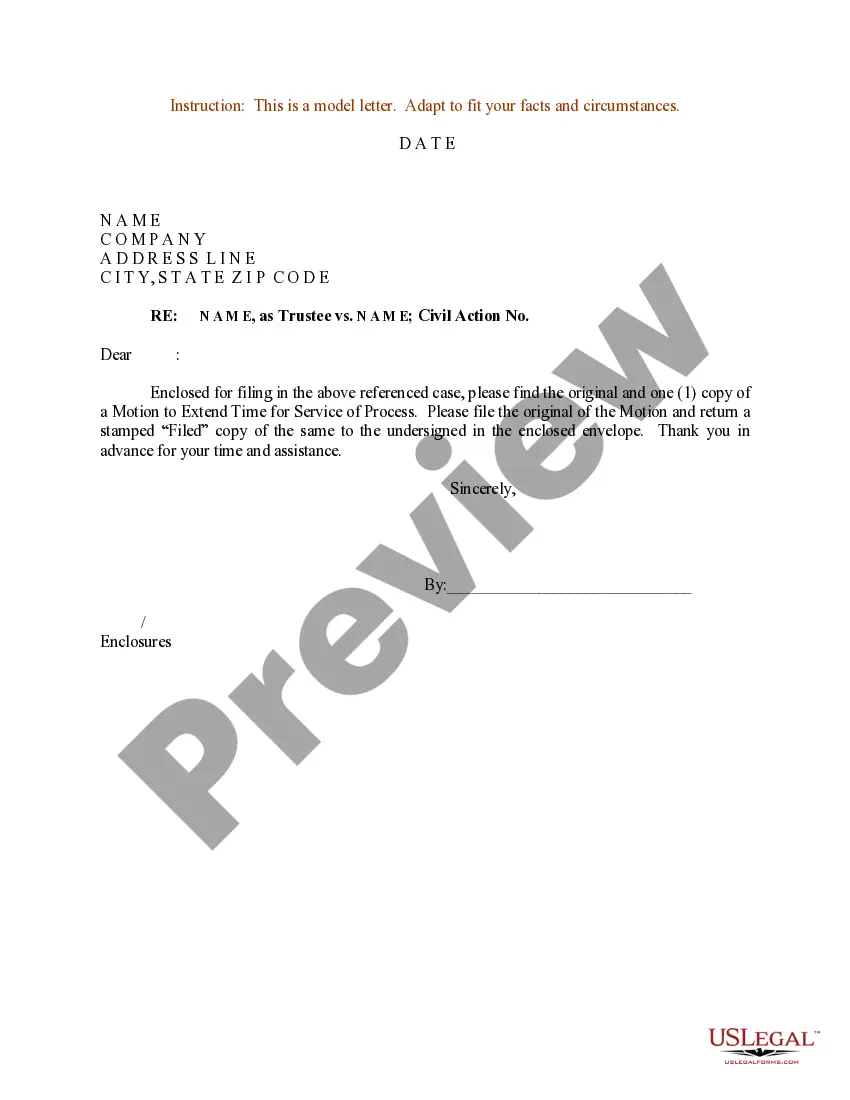
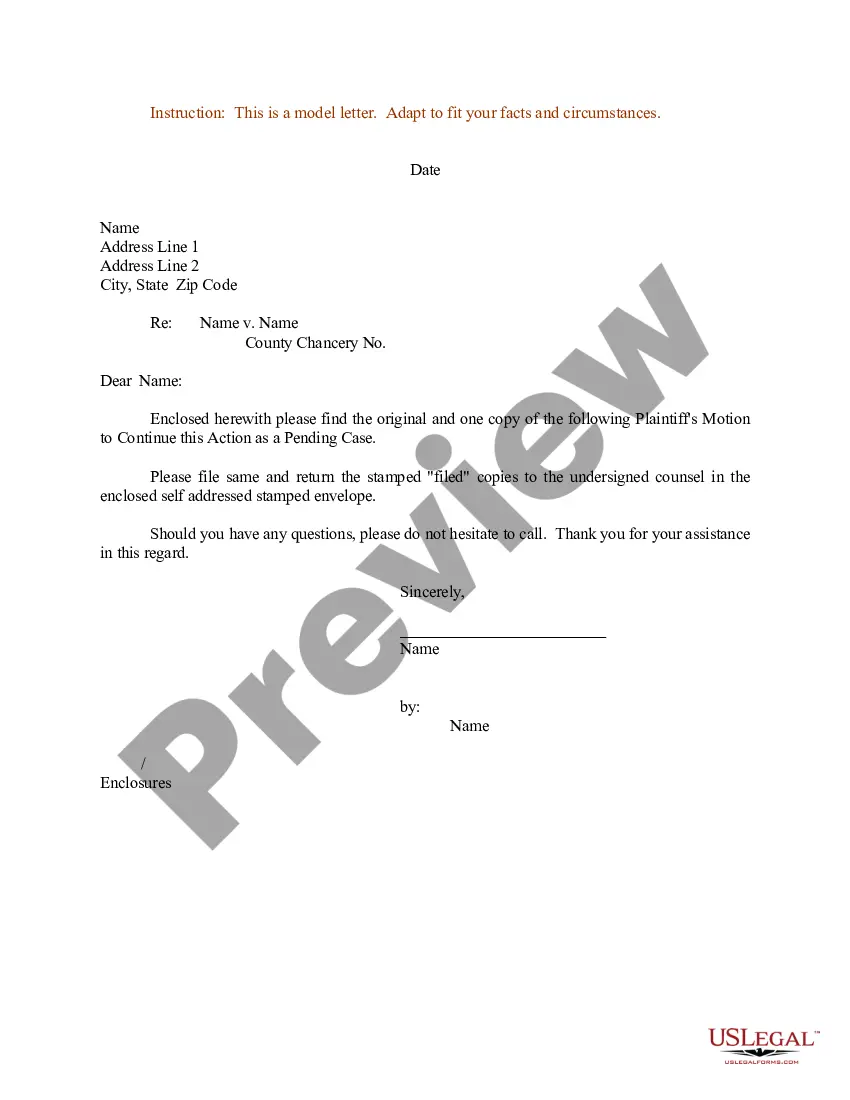
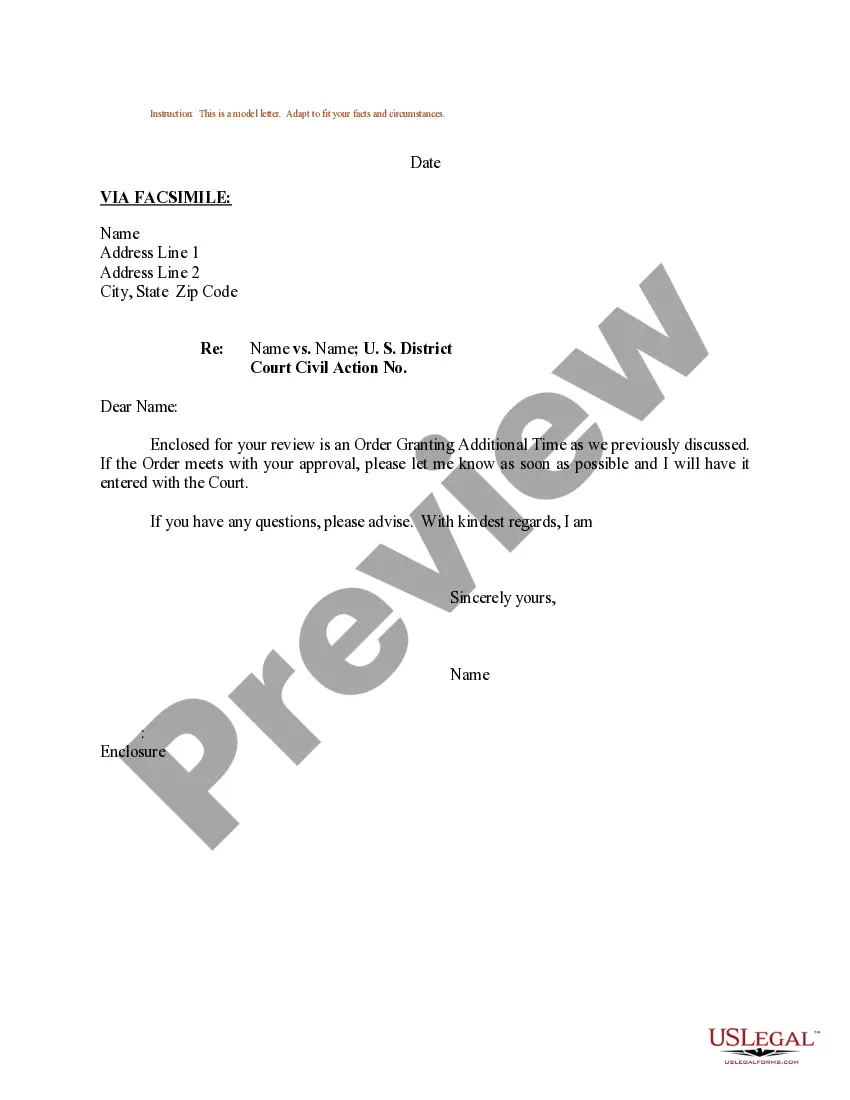
Get your form ready online
Our built-in tools help you complete, sign, share, and store your documents in one place.
Make edits, fill in missing information, and update formatting in US Legal Forms—just like you would in MS Word.
Download a copy, print it, send it by email, or mail it via USPS—whatever works best for your next step.
Sign and collect signatures with our SignNow integration. Send to multiple recipients, set reminders, and more. Go Premium to unlock E-Sign.
If this form requires notarization, complete it online through a secure video call—no need to meet a notary in person or wait for an appointment.
We protect your documents and personal data by following strict security and privacy standards.

Make edits, fill in missing information, and update formatting in US Legal Forms—just like you would in MS Word.

Download a copy, print it, send it by email, or mail it via USPS—whatever works best for your next step.

Sign and collect signatures with our SignNow integration. Send to multiple recipients, set reminders, and more. Go Premium to unlock E-Sign.

If this form requires notarization, complete it online through a secure video call—no need to meet a notary in person or wait for an appointment.

We protect your documents and personal data by following strict security and privacy standards.
Looking for another form?








Form popularity
FAQ
Frequently Asked Questions (FAQ) Type your letter. Concisely review the main facts. Be polite. Write with your goal in mind. Ask for exactly what you want. Set a deadline. End the letter by stating you will promptly pursue legal remedies if the other party does not meet your demand. Make and keep copies.
A demand letter shows the other party you are serious about taking legal action to remedy the dispute. Simply sending the demand letter may end the need for further litigation. ing to NOLO, "In as many as one-third of all disputes, your demand letter will catalyze settlement".
The Franchise Tax Board will send a notice or letter to personal taxpayers and business entities for issues that may include but not limited to: You have a balance due. You are due a larger or smaller refund. We need to notify you of delays in processing your return.
You start a lawsuit by filing a complaint. In some circumstances, you file a petition or a motion. The court has several complaint forms that you may use in drafting your complaint. The forms are available online and at the Pro Se Intake Unit.
Here's a short list of what you'll want to include: Facts of the case. An outline of what happened. Statement of the issue. A brief description of the problem. Demand. The dollar amount or action necessary to resolve the case. Response deadline. The date by which the recipient must respond. Noncompliance consequences.
Short cover letter template Dear Hiring Manager's Name, As a Position Name with X years of experience Action, I believe that I am the ideal candidate for Company Name. I look forward to hearing from you. I can be reached at Your Email or Your Phone Number.
Here's a breakdown of how a cover letter should be structured: Add your name and contact information to the header. Open with a salutation. Write a compelling introduction. Elaborate on your achievements in the body paragraph(s) ... Conclude with a call to action. End with a professional sign-off.
Share Being overly formal. Being too informal. Using a stock cover letter. Saying too much. Forgetting to proofread. Bragging. Focusing too much on yourself. Clumsy language.
Tell how your skills and personal qualities match the employer's needs. Focus on what you can do for the employer and how you contribute to the organization. Show you have researched the company double check those facts. Be specific avoid general statements.
Dear Hiring Manager, I'm excited to submit my application for the Position role at Company Name. As an experienced title with X years of experience, I'm confident that I have the 1-2 specific skills and qualifications from the job description necessary to excel in this position.

