Authorization Travel Document For Green Card Holder In Illinois
Description


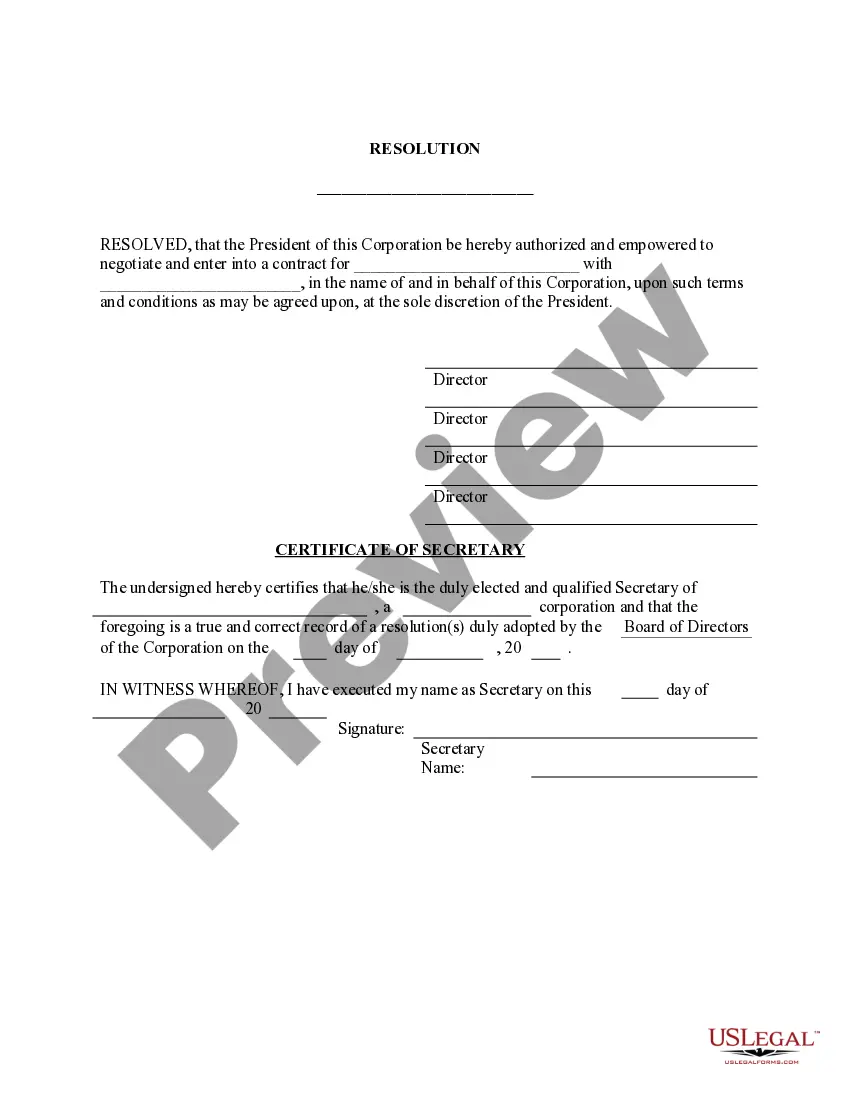
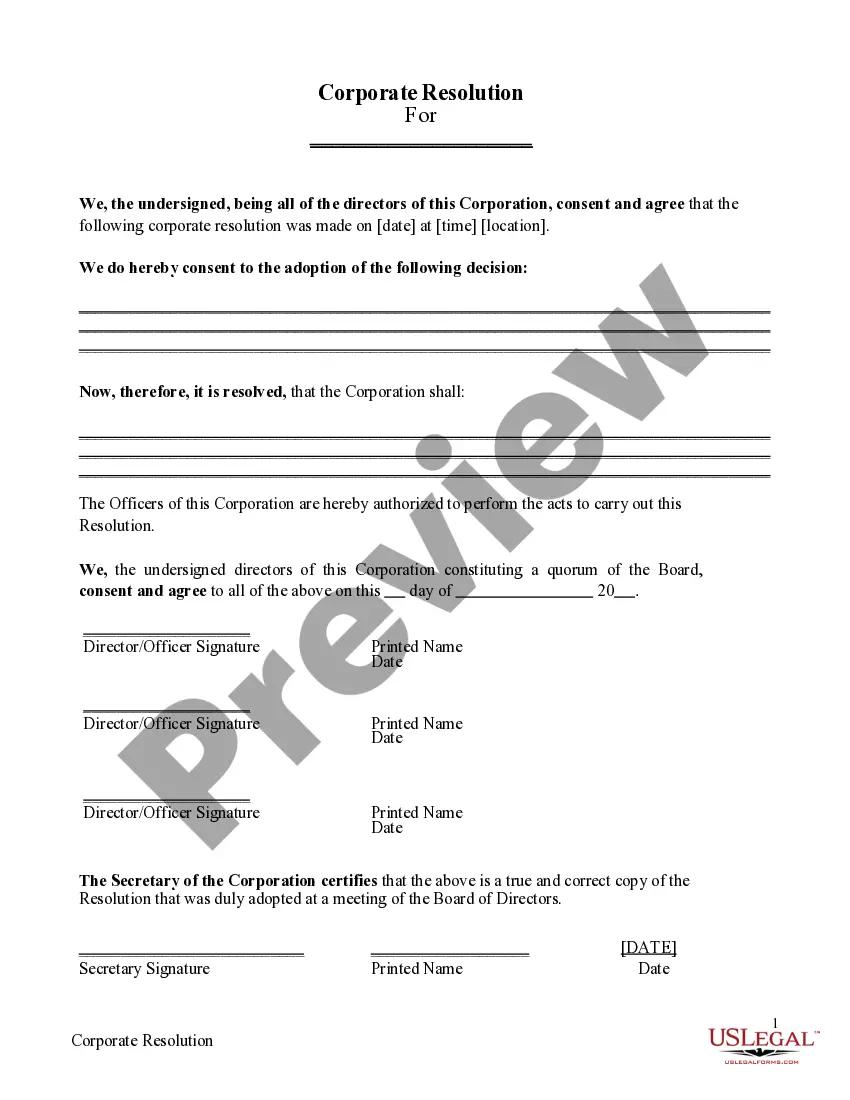
Get your form ready online
Our built-in tools help you complete, sign, share, and store your documents in one place.
Make edits, fill in missing information, and update formatting in US Legal Forms—just like you would in MS Word.
Download a copy, print it, send it by email, or mail it via USPS—whatever works best for your next step.
Sign and collect signatures with our SignNow integration. Send to multiple recipients, set reminders, and more. Go Premium to unlock E-Sign.
If this form requires notarization, complete it online through a secure video call—no need to meet a notary in person or wait for an appointment.
We protect your documents and personal data by following strict security and privacy standards.

Make edits, fill in missing information, and update formatting in US Legal Forms—just like you would in MS Word.

Download a copy, print it, send it by email, or mail it via USPS—whatever works best for your next step.

Sign and collect signatures with our SignNow integration. Send to multiple recipients, set reminders, and more. Go Premium to unlock E-Sign.

If this form requires notarization, complete it online through a secure video call—no need to meet a notary in person or wait for an appointment.

We protect your documents and personal data by following strict security and privacy standards.
Looking for another form?










Form popularity
FAQ
There are no COVID-related entry requirements for U.S. citizens. You will need: A valid U.S. passport. A valid Brazilian visa or e-visa, beginning April 10, 2025 for tourists and currently for all other types of travel.
If you are a permanent or conditional permanent resident who has been outside the U.S. for one year or longer, apply for a re-entry permit before you travel. Use Form I-131 - Application for Travel Document. For permanent residents, the re-entry permit is valid for two years from the date of issue.
If seeking to enter the United States after temporary travel abroad, you will need to present a valid, unexpired “Green Card” (Form I-551, Permanent Resident Card).
Yes, you can. With a conditional green card, you are considered a lawful permanent resident and have all the rights and privileges associated with that status.
Form I-131, Application for Travel Documents, Parole Documents, and Arrival/Departure Records, is used to apply for the following documents: Reentry Permits, Refugee Travel Documents, Temporary Protected Status (TPS) Travel Authorization Documents, Advance Parole Documents, initial Parole Documents for noncitizens ...
A Travel Authorization (TE) is used to request approval for a business-related trip. In this document, the traveler indicates trip destination(s), purpose, and dates of travel and requests advance checks. In response, the TE records trip information and schedules advance checks.
An absence of more than 6 months (more than 180 days) but less than 1 year (less than 365 days) during the period for which continuous residence is required (also called “the statutory period”) is presumed to break the continuity of such residence.
Avoid Long Trips Absences of more than six months could lead CBP to question whether you've abandoned your residency. If you stay outside the U.S. for more than a year, your green card may be considered abandoned unless you apply for a reentry permit before leaving.
No longer display the cardholder's fingerprint on the front. Have new tactile printing that is better integrated with the artwork. Have enhanced optically variable ink and new highly secure holographic images on the front and back of the cards.
Effective Sept. 10, 2024, U.S. Citizenship and Immigration Services automatically extended the validity of Permanent Resident Cards (also known as Green Cards) to 36 months for lawful permanent residents who file Form I-90, Application to Replace Permanent Resident Card.

