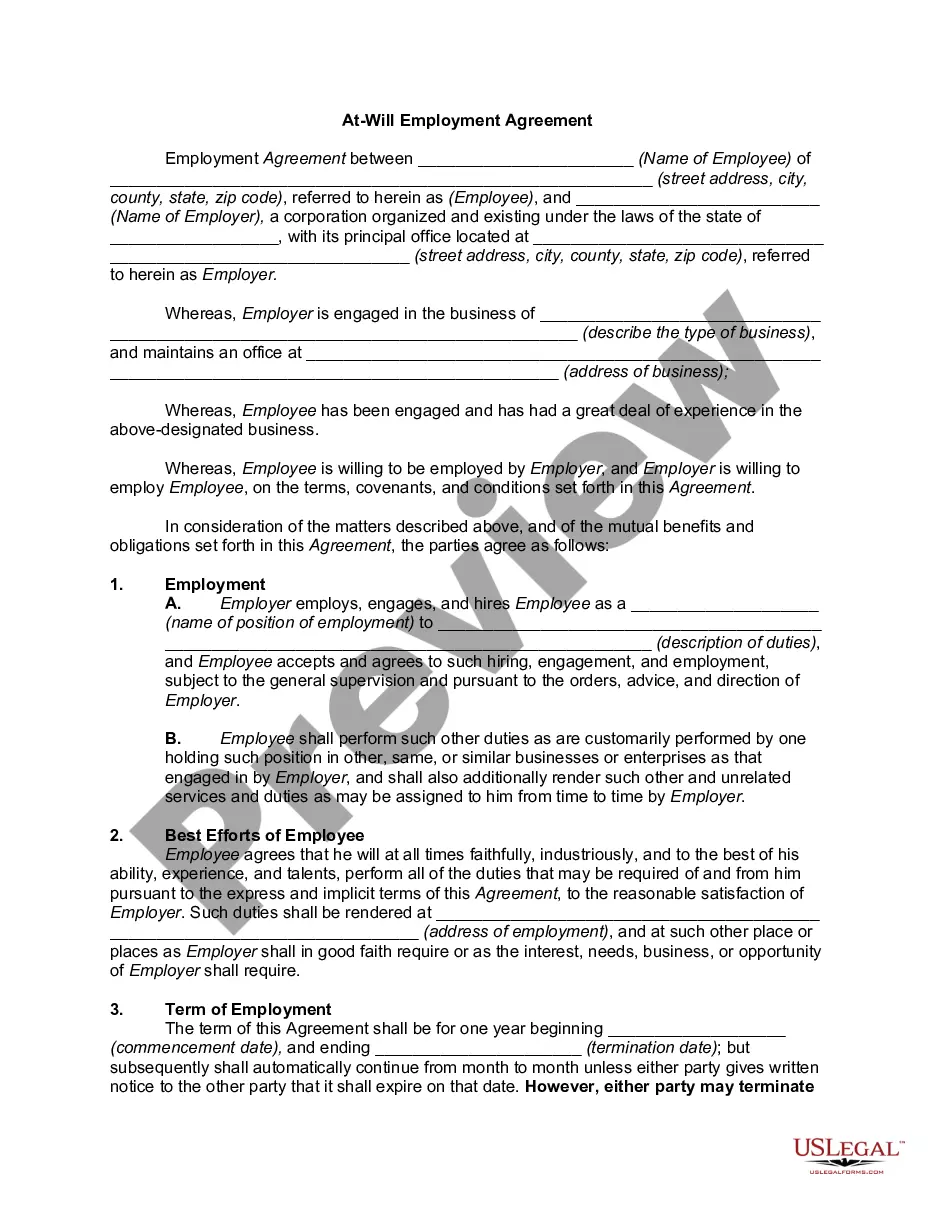
Homestead Exemption Form For Tarrant County In Utah
Description





Get your form ready online
Our built-in tools help you complete, sign, share, and store your documents in one place.
Make edits, fill in missing information, and update formatting in US Legal Forms—just like you would in MS Word.
Download a copy, print it, send it by email, or mail it via USPS—whatever works best for your next step.
Sign and collect signatures with our SignNow integration. Send to multiple recipients, set reminders, and more. Go Premium to unlock E-Sign.
If this form requires notarization, complete it online through a secure video call—no need to meet a notary in person or wait for an appointment.
We protect your documents and personal data by following strict security and privacy standards.

Make edits, fill in missing information, and update formatting in US Legal Forms—just like you would in MS Word.

Download a copy, print it, send it by email, or mail it via USPS—whatever works best for your next step.

Sign and collect signatures with our SignNow integration. Send to multiple recipients, set reminders, and more. Go Premium to unlock E-Sign.

If this form requires notarization, complete it online through a secure video call—no need to meet a notary in person or wait for an appointment.

We protect your documents and personal data by following strict security and privacy standards.
Looking for another form?








Form popularity
FAQ
Homestead tax exemptions usually offer a fixed discount on taxes, such as exempting the first $50,000 of the assessed value with the remainder taxed at the normal rate. With a $50,000 homestead exemption, a home valued at $150,000 would be taxed on only $100,000 of assessed value.
You may be eligible for the primary residential exemption if you occupy your home for 183 consecutive days or more in a calendar year. The exemption applies to your house and up to one acre of land. Apartments, condos and mobile homes also qualify.
As part of an $18 billion property tax relief package, Texas homeowners will see their homestead exemption on their property tax bill increase from $40,000 to $100,000 of their home's assessed value. If you have an existing homestead, the changes will automatically apply.
Homestead exemptions are a valuable way for homeowners to reduce the amount of property taxes they owe. These exemptions can apply to a portion of a property's value, resulting in a lower tax bill.
To qualify for the general residence homestead exemption, a home must meet the definition of a residence homestead and an individual must have an ownership interest in the property and use the property as the individual's principal residence.
Under the Utah exemption system, homeowners can exempt up to $45,100 of their home or other property covered by the homestead exemption, such as a mobile home. You can use the homestead exemption to protect more than one parcel of land, but you can protect only up to one acre total. (Utah Code Ann. § 78B-5-504.)
On Tuesday, Tarrant County Commissioners increased the homestead property tax exemption from 10 percent to 20 percent.
Person Age 65 or Older (or Surviving Spouse) Exemption An over 65 exemption is available to property owners the year they become 65 years old. By state law, this exemption is $10,000 for school districts. Other taxing units may adopt this exemption and determine its amount.
Exemption Status LookUp Under 'Property Search,' type in the address or Quick Reference ID Number of the property. Click on the Owner Information that populates pertaining to the property you are searching. On the Details page, under 'More Resources' select 'Exemption Status LookUp.
California exempts the first $7,000 of residential homestead from property taxes.