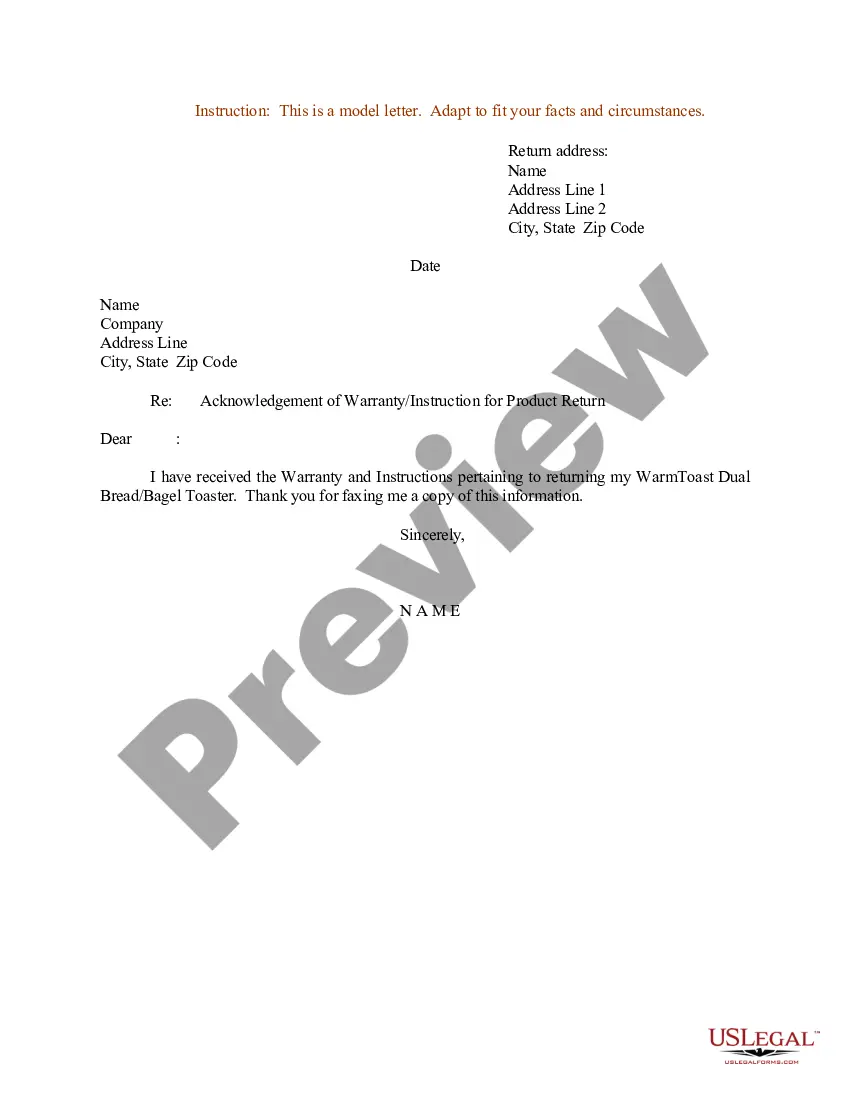
Letter Instruction Sample With Thru In Riverside
Description

Get your form ready online
Our built-in tools help you complete, sign, share, and store your documents in one place.
Make edits, fill in missing information, and update formatting in US Legal Forms—just like you would in MS Word.
Download a copy, print it, send it by email, or mail it via USPS—whatever works best for your next step.
Sign and collect signatures with our SignNow integration. Send to multiple recipients, set reminders, and more. Go Premium to unlock E-Sign.
If this form requires notarization, complete it online through a secure video call—no need to meet a notary in person or wait for an appointment.
We protect your documents and personal data by following strict security and privacy standards.

Make edits, fill in missing information, and update formatting in US Legal Forms—just like you would in MS Word.

Download a copy, print it, send it by email, or mail it via USPS—whatever works best for your next step.

Sign and collect signatures with our SignNow integration. Send to multiple recipients, set reminders, and more. Go Premium to unlock E-Sign.

If this form requires notarization, complete it online through a secure video call—no need to meet a notary in person or wait for an appointment.

We protect your documents and personal data by following strict security and privacy standards.
Looking for another form?








Form popularity
FAQ
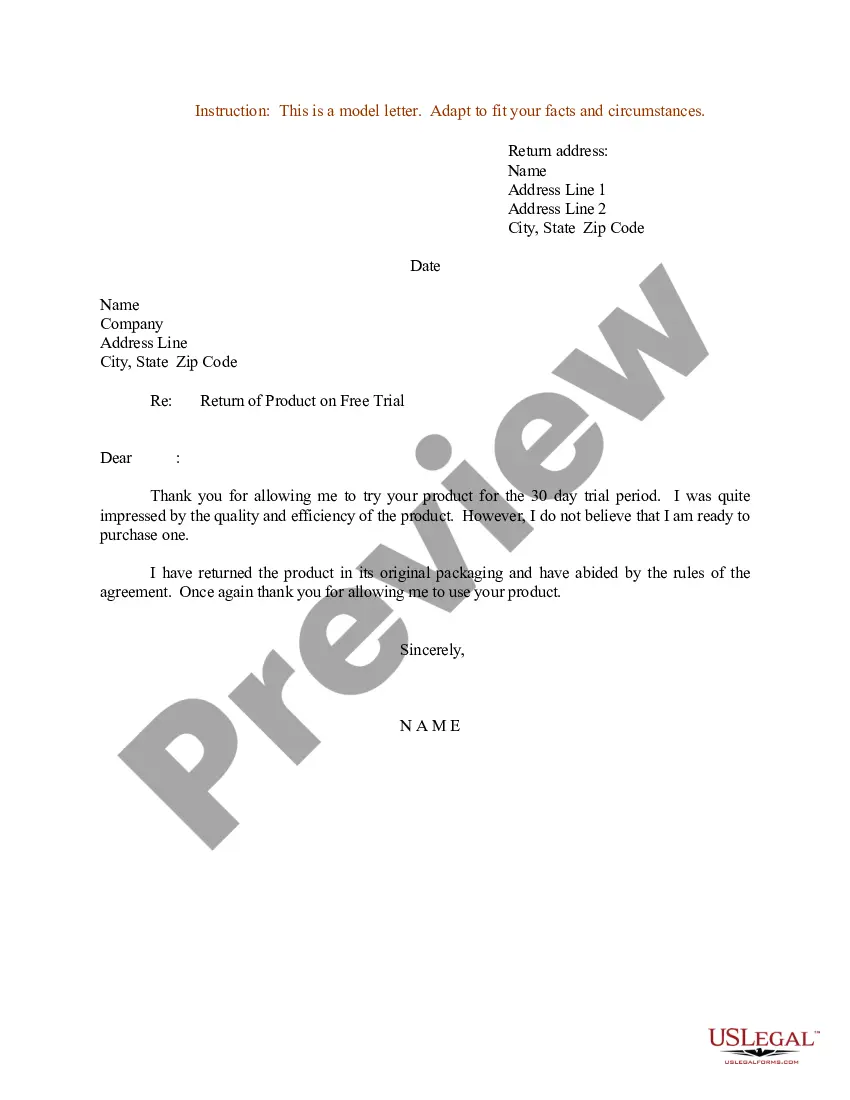
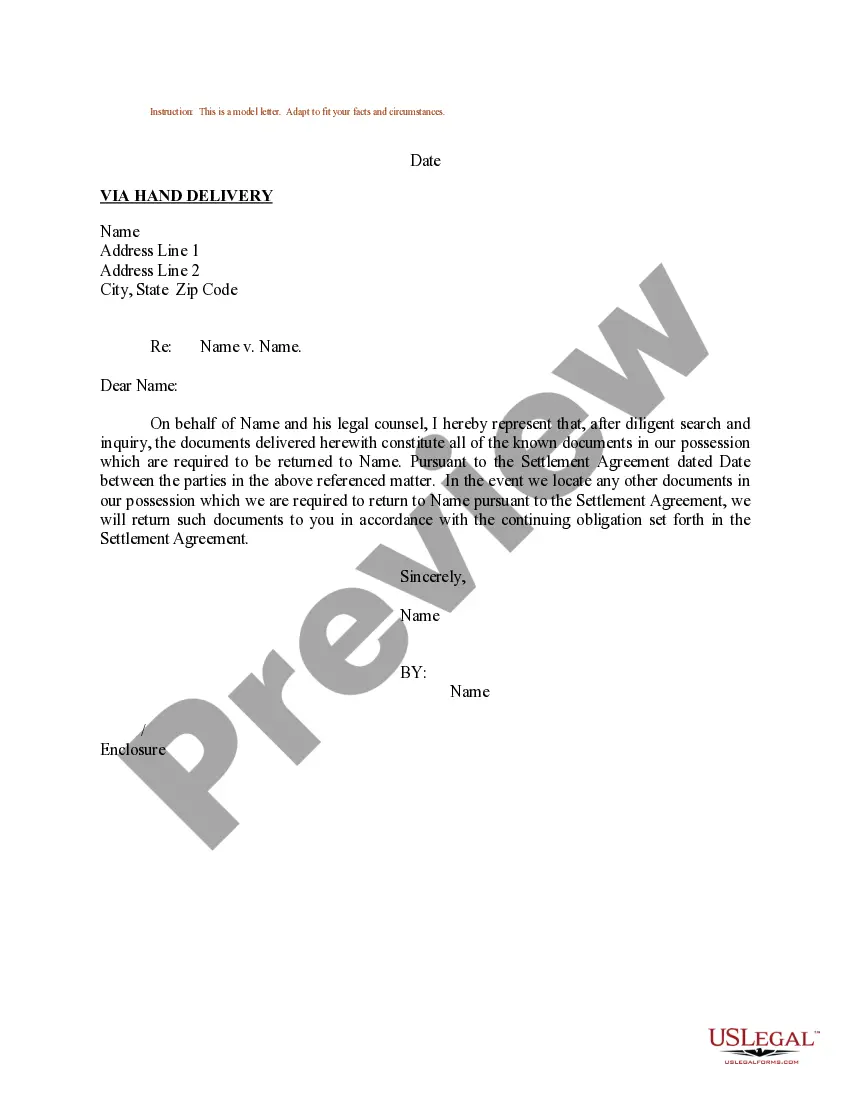
How to write a letter of instruction Create a header. Before you write the content of the letter, create a header at the top left-hand corner of the document. Address the reader. Explain the project or task. List each step. Conclude your letter. Revise the document.
Tips on giving directions: Provide context and be specific: Give all the details. Provide any background to help that person better understand the task at hand. Try your best to be as detailed as you can, especially when you have a set idea about how the task should be done.
Riverside Superior Court Local Rule 3116 provides: Unless otherwise specified in the Order to Show Cause, any response in opposition to an Order to Show Case (a) shall be in the form of a written declaration and (b) shall be filed no less than four court days before the hearing on the Order to Show Cause.
In emergency situations, an ex parte motion provides an exception to the rules of due process by allowing you to petition the court without having to notify or serve the other parties involved in your case. If the judge grants the ex parte order, the order is only temporary.
This rule is essentially forcing parties to try to settle issues in their case before going to trial. If Local Rule 5153 is not complied with, the Court will not allow your case to go forward until these procedures are met.
The Ex Parte Application must show there is an emergency such that there will be irreparable harm or immediate danger if the order is not granted. An Ex Parte Application should only be filed when there is not enough time to hear a regularly noticed motion (16 court days minimum).
Ex Parte Applications. Any opposition to an ex parte application must be served on the moving party/counsel as soon as it is filed with the Court. Absent exceptional circumstances, no hearing will be conducted, and the ex parte application will be denied, if inadequate notice is given or if there is inadequate service.