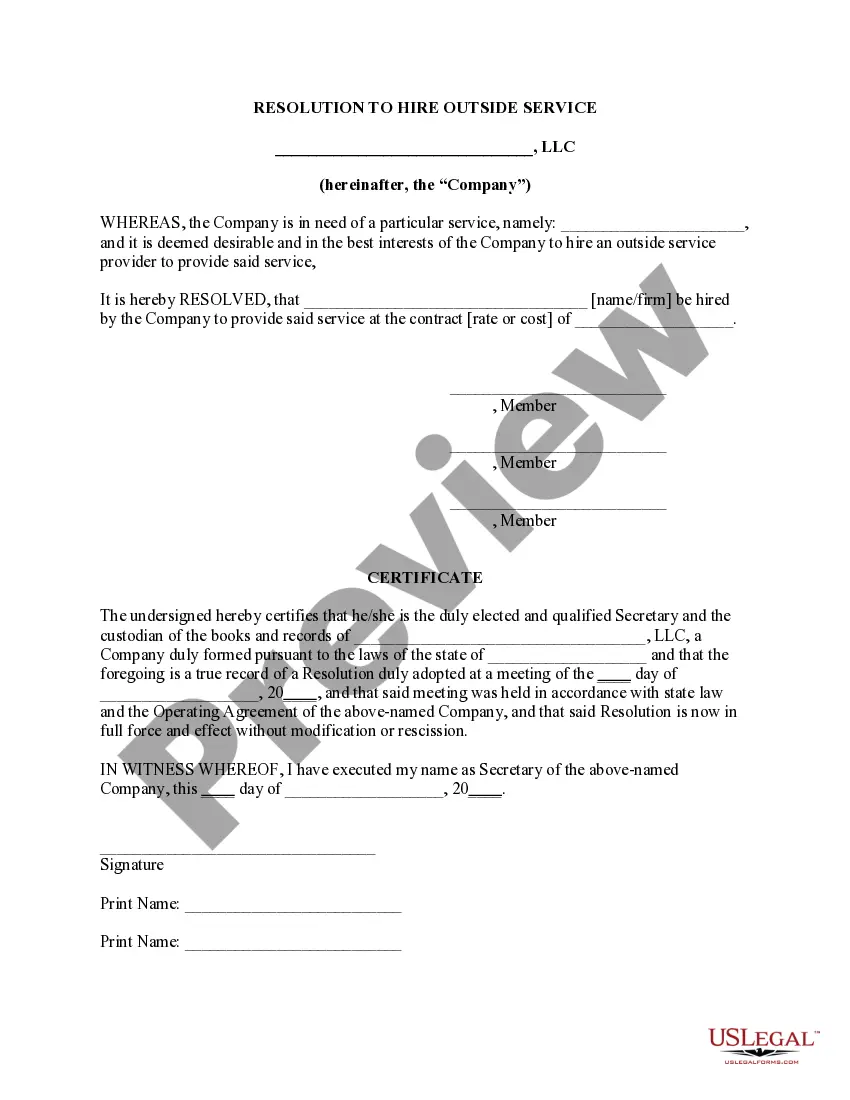
Letter Instruction Sample With Attention In Kings
Description

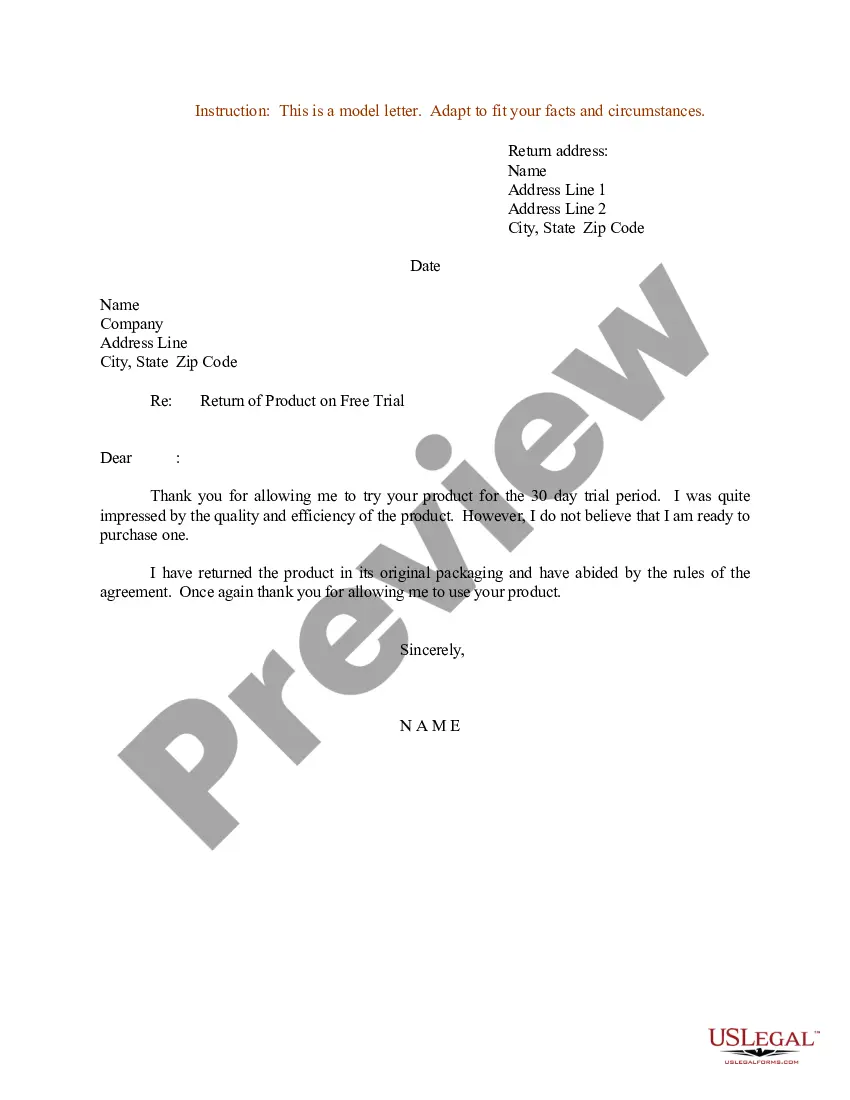
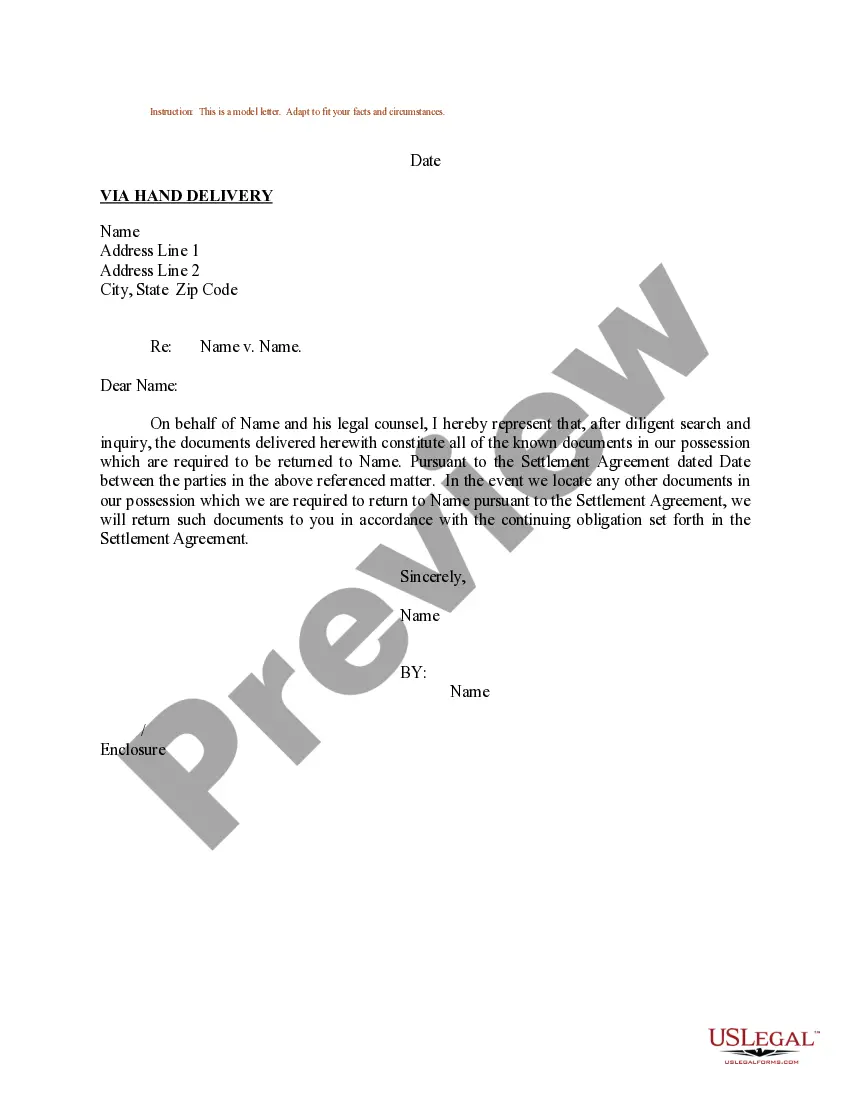
Get your form ready online
Our built-in tools help you complete, sign, share, and store your documents in one place.
Make edits, fill in missing information, and update formatting in US Legal Forms—just like you would in MS Word.
Download a copy, print it, send it by email, or mail it via USPS—whatever works best for your next step.
Sign and collect signatures with our SignNow integration. Send to multiple recipients, set reminders, and more. Go Premium to unlock E-Sign.
If this form requires notarization, complete it online through a secure video call—no need to meet a notary in person or wait for an appointment.
We protect your documents and personal data by following strict security and privacy standards.

Make edits, fill in missing information, and update formatting in US Legal Forms—just like you would in MS Word.

Download a copy, print it, send it by email, or mail it via USPS—whatever works best for your next step.

Sign and collect signatures with our SignNow integration. Send to multiple recipients, set reminders, and more. Go Premium to unlock E-Sign.

If this form requires notarization, complete it online through a secure video call—no need to meet a notary in person or wait for an appointment.

We protect your documents and personal data by following strict security and privacy standards.
Looking for another form?








Form popularity
FAQ
How to write a letter of instruction Create a header. Before you write the content of the letter, create a header at the top left-hand corner of the document. Address the reader. Explain the project or task. List each step. Conclude your letter. Revise the document.
Write the "attention" line: Begin this line with either the abbreviation "ATTN," or the full word "Attention." Then, after a colon, write the person's name. You can either write their full name, or their professional title if you're certain of their preferred gender pronouns.
To address an envelope with “Attn,” write “Attn:” at the top center of the envelope, followed by the name of the recipient. Write the name of the person's company on the next line. Then, on the next line, write the company's address like you normally would on an envelope.
When writing to a manager you do not know by name or to a department, use an attention line. (Example: "Attention Claims Manager.") Avoid stuffy "Dear Sir" or "Dear Madam" salutations. I am writing this letter to express my appreciation for the wonderful assistance we received from your staff during the past month.
Explanation: The first line of the letterhead should be centered from the top of the page based on specific formatting requirements. In constructing formal letters, a common guideline is to center the letterhead between the top one-inch margin and the first line where the body text begins.
It's common to write "Attention' or 'ATTN colon' before the recipient's name. Use professional distinctions. If necessary, use titles such as Dr., CEO, or VP.
Written abbreviation for attention : Please send all submissions via email attn: Bill Simms.
For colons and periods, place two spaces between the punctuation and the text that immediately follows it.
Left and right margins are always set at 1 inch. Times New Roman 12 pitch font is preferred for Navy correspondence. Single spacing between lines. Double spacing between paragraphs/subparagraphs.