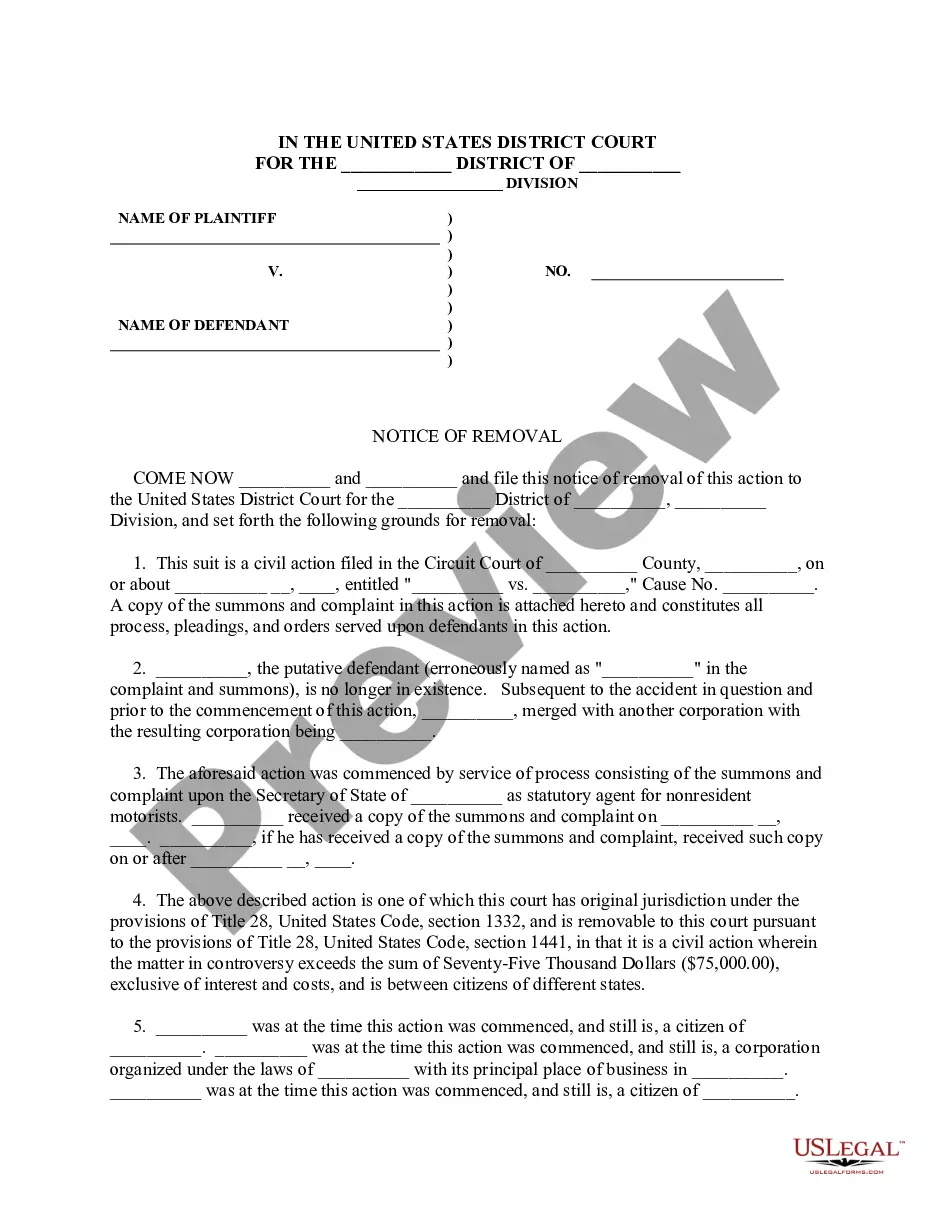
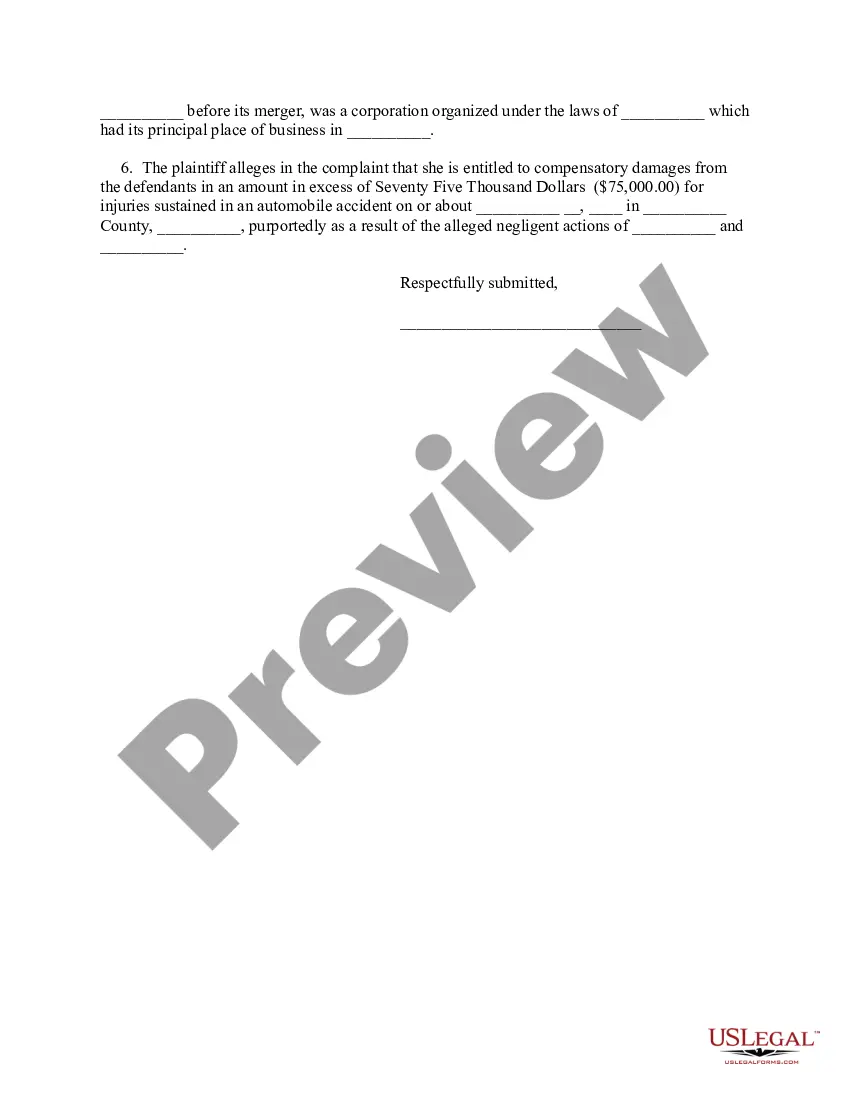
Notice Of Removal Template Format In Pennsylvania
Description
Get your form ready online
Our built-in tools help you complete, sign, share, and store your documents in one place.
Make edits, fill in missing information, and update formatting in US Legal Forms—just like you would in MS Word.
Download a copy, print it, send it by email, or mail it via USPS—whatever works best for your next step.
Sign and collect signatures with our SignNow integration. Send to multiple recipients, set reminders, and more. Go Premium to unlock E-Sign.
If this form requires notarization, complete it online through a secure video call—no need to meet a notary in person or wait for an appointment.
We protect your documents and personal data by following strict security and privacy standards.

Make edits, fill in missing information, and update formatting in US Legal Forms—just like you would in MS Word.

Download a copy, print it, send it by email, or mail it via USPS—whatever works best for your next step.

Sign and collect signatures with our SignNow integration. Send to multiple recipients, set reminders, and more. Go Premium to unlock E-Sign.

If this form requires notarization, complete it online through a secure video call—no need to meet a notary in person or wait for an appointment.

We protect your documents and personal data by following strict security and privacy standards.
Looking for another form?

Form popularity
FAQ
The notice of removal of a civil action or proceeding shall be filed within 30 days after the receipt by the defendant, through service or otherwise, of a copy of the initial pleading setting forth the claim for relief upon which such action or proceeding is based, or within 30 days after the service of summons upon ...
Rule 41(a)(l) is amended to provide that the plaintiff may unilaterally dismiss an action only prior to the filing of the answer or a motion for summary judgment, rather than at any time prior to trial, as formerly. The amendment adopts the language of Federal Rule 41(a)(1).
Rule 587. Motion for Dismissal. (a) Untimely Filing of Information. (1) Upon motion and a showing that an information has not been filed within a reasonable time, the court may order dismissal of the prosecution, or in lieu thereof, make such other order as shall be appropriate in the interests of justice.
Defendants may move to dismiss on the following grounds: Lack of subject matter jurisdiction (FRCP 12(b)(1)Opens in a new window). Lack of personal jurisdiction (FRCP 12(b)(2)Opens in a new window). Improper venue (FRCP 12(b)(3)Opens in a new window).
The court may grant a motion to dismiss if the plaintiff's complaint fails to allege all the elements of a claim adequately. Or the court may grant it if the complaint fails to allege a measurable injury.
I am ready to file a small claims Civil Lawsuit. Before you begin. Important information. Step 1 Form Preparation. Complete the Civil complaint form fully and neatly. Step 2 Filing the Complaint. Once the complaint is completed, you must file it at the correct Magisterial District Court office. Step 3 Serving the Complaint.
Procedurally, it is simple. The defendant files a motion to remove in federal court, a notice to the same effect in state court, and gives notice to all the parties. The case is then docketed in federal court and proceeds there.
Code r. 587. Rule 587 - Motion for Dismissal (a)Untimely Filing of Information. (1) Upon motion and a showing that an information has not been filed within a reasonable time, the court may order dismissal of the prosecution, or in lieu thereof, make such other order as shall be appropriate in the interests of justice.
Procedurally, it is simple. The defendant files a motion to remove in federal court, a notice to the same effect in state court, and gives notice to all the parties. The case is then docketed in federal court and proceeds there.