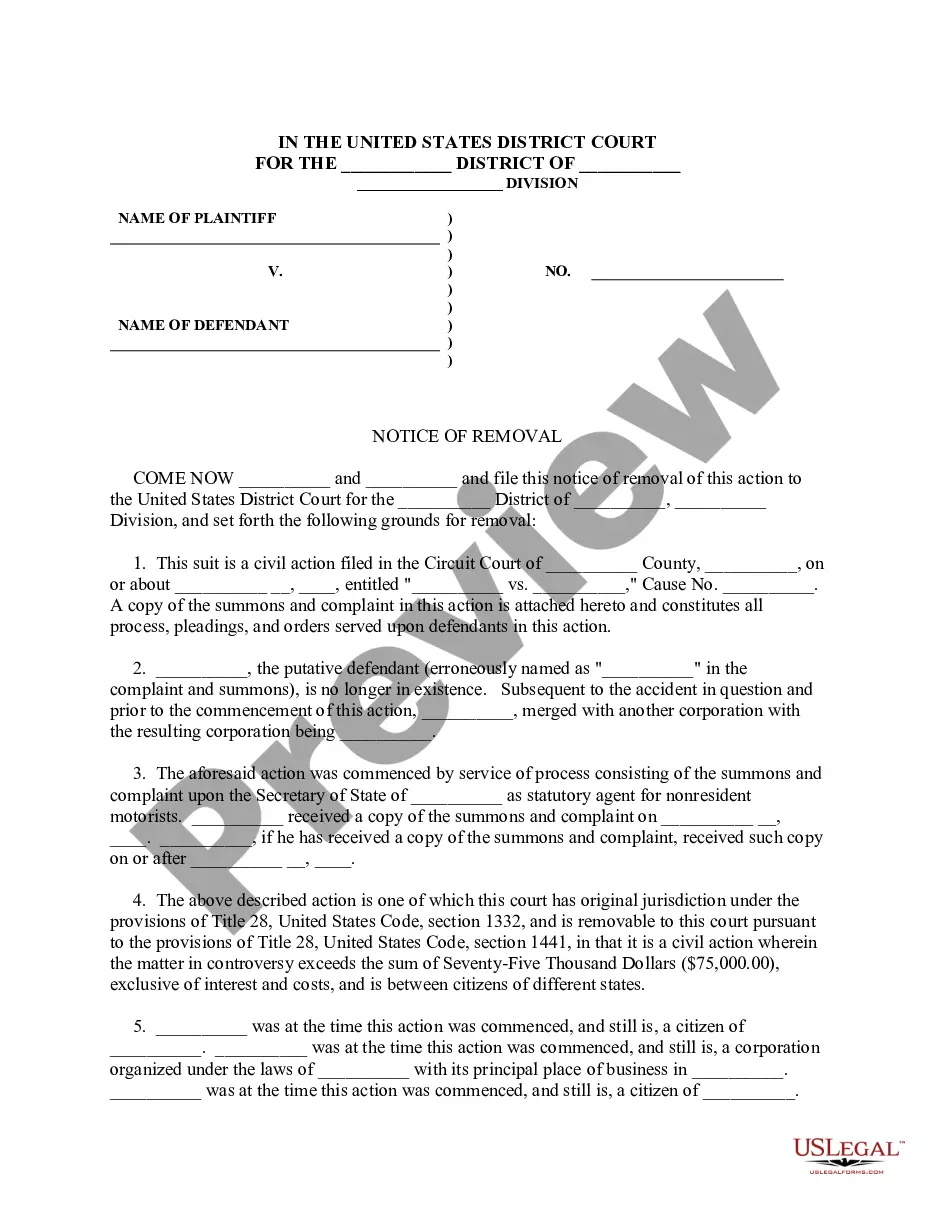
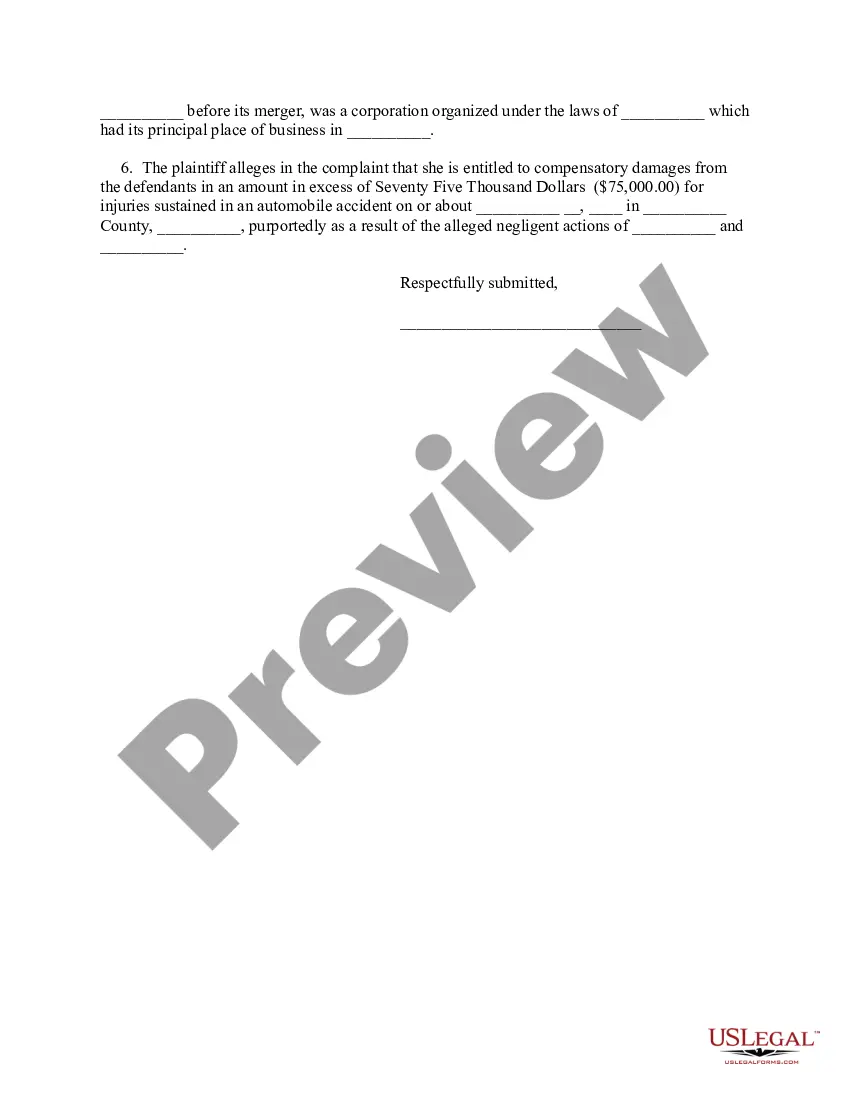
Notice Of Removal Template Foreclosure In Los Angeles
Description
Get your form ready online
Our built-in tools help you complete, sign, share, and store your documents in one place.
Make edits, fill in missing information, and update formatting in US Legal Forms—just like you would in MS Word.
Download a copy, print it, send it by email, or mail it via USPS—whatever works best for your next step.
Sign and collect signatures with our SignNow integration. Send to multiple recipients, set reminders, and more. Go Premium to unlock E-Sign.
If this form requires notarization, complete it online through a secure video call—no need to meet a notary in person or wait for an appointment.
We protect your documents and personal data by following strict security and privacy standards.

Make edits, fill in missing information, and update formatting in US Legal Forms—just like you would in MS Word.

Download a copy, print it, send it by email, or mail it via USPS—whatever works best for your next step.

Sign and collect signatures with our SignNow integration. Send to multiple recipients, set reminders, and more. Go Premium to unlock E-Sign.

If this form requires notarization, complete it online through a secure video call—no need to meet a notary in person or wait for an appointment.

We protect your documents and personal data by following strict security and privacy standards.
Looking for another form?
Form popularity
FAQ
The new owner of the home only needs to give you a 3-day notice to move. If you do not move, the new owner can begin the eviction process by filing a lawsuit against you in court called an Unlawful Detainer. If you lose in court, a 5-day eviction notice will be posted on your door. Only the Sheriff can do this.
Before making any moves, be sure to give your current landlord or property manager proper notice that you intend to move out, as is required in your lease. You can do so by sending your landlord a notice to vacate letter.
The notice should have your name, the unit you are occupying and the date in which you will be completely moved out. It should also include a forwarding address to where your security deposit can be mailed. If you have a month-to-month rental agreement, a 30-day notice should be provided to the landlord.
Notice of Termination: Serve a state-required eviction notice (typically 60 days under RSO/JCO) stating the reason (landlord/family occupancy). File with LAHD: Within 3 business days of serving the tenant, submit the notice online at lahd.service-now/efs.
If your home was sold at a trustee's sale after foreclosure, the highest bidder (usually your lender) becomes the new owner. If you do not leave voluntarily or enter into an agreement with the new owner for more time on the property, the new owner can evict you by the "formal" eviction process.
Notice of Eviction: The first step is providing the former homeowner with an official eviction notice, which informs them that they must vacate the property. The required notice period for former homeowners still occupying the property is three days' notice. Cal. Civ.
If the borrower fails to make payment at the proper time or fails to meet other obligations specified in the bond or mortgage, the foreclosure process begins. The lender applies to a court for authority to sell the property.
Fide purchaser (BFP), must serve the previous homeowner with a 3-day notice to quit. If the former homeowner continues to occupy the property after this notice expires, or “holdover,” the foreclosing entity or BFP must bring a judicial unlawful detainer action to evict.
Request for Entry of Default (Application to Enter Default) (CIV-100) Asks the court to enter a "default" against the defendant or cross-defendant because they failed to file an Answer or other responsive document in the case. Can be used to ask for a default alone, or also a default judgment.
The Foreclosure Registry was enacted in 2010 to establish a residential property registration program as a mechanism to protect residential neighborhoods, including abandoned properties, from blight through the lack of adequate maintenance and security as a result of the foreclosure crisis (Ordinance No. 181185).