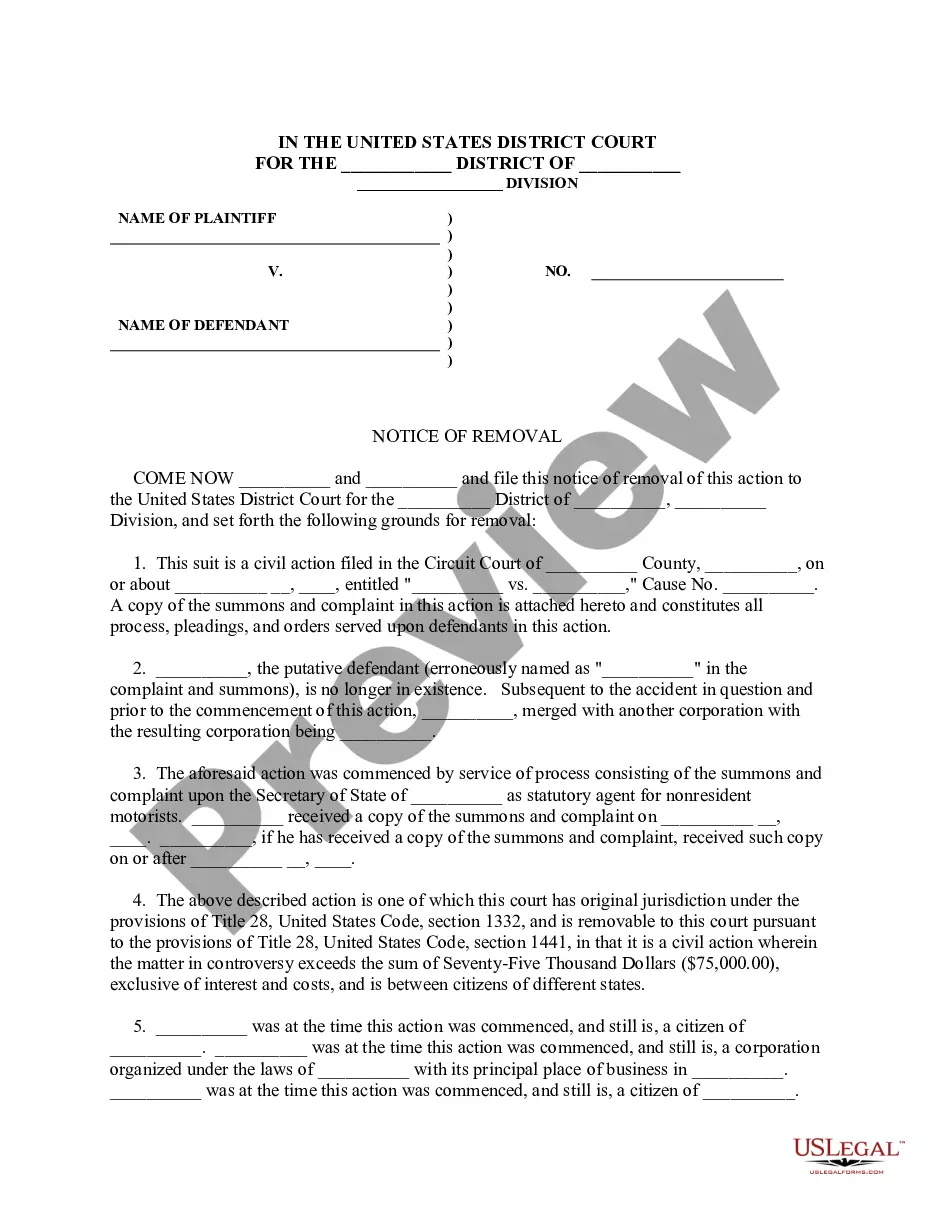
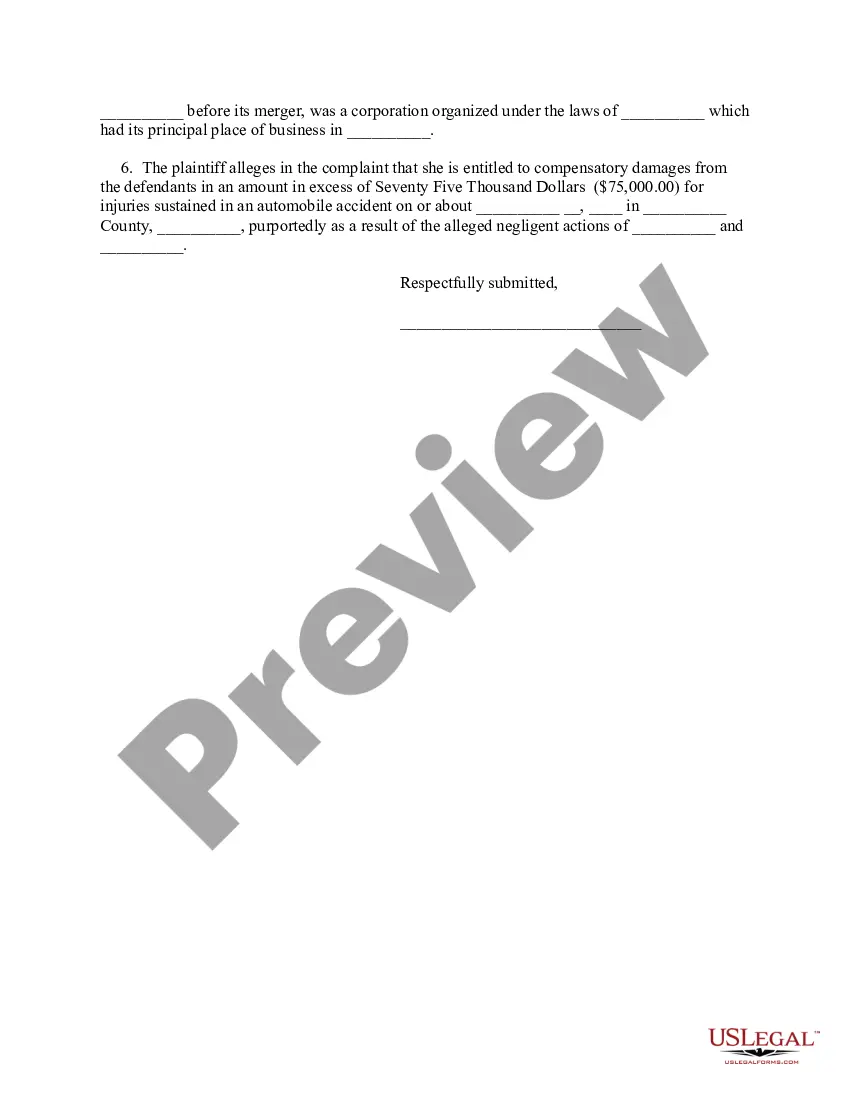
Notice Of Removal Template With Formulas In Florida
Description
Get your form ready online
Our built-in tools help you complete, sign, share, and store your documents in one place.
Make edits, fill in missing information, and update formatting in US Legal Forms—just like you would in MS Word.
Download a copy, print it, send it by email, or mail it via USPS—whatever works best for your next step.
Sign and collect signatures with our SignNow integration. Send to multiple recipients, set reminders, and more. Go Premium to unlock E-Sign.
If this form requires notarization, complete it online through a secure video call—no need to meet a notary in person or wait for an appointment.
We protect your documents and personal data by following strict security and privacy standards.

Make edits, fill in missing information, and update formatting in US Legal Forms—just like you would in MS Word.

Download a copy, print it, send it by email, or mail it via USPS—whatever works best for your next step.

Sign and collect signatures with our SignNow integration. Send to multiple recipients, set reminders, and more. Go Premium to unlock E-Sign.

If this form requires notarization, complete it online through a secure video call—no need to meet a notary in person or wait for an appointment.

We protect your documents and personal data by following strict security and privacy standards.
Looking for another form?
Form popularity
FAQ
The notice of removal of a civil action or proceeding shall be filed within 30 days after the receipt by the defendant, through service or otherwise, of a copy of the initial pleading setting forth the claim for relief upon which such action or proceeding is based, or within 30 days after the service of summons upon ...
Procedurally, it is simple. The defendant files a motion to remove in federal court, a notice to the same effect in state court, and gives notice to all the parties. The case is then docketed in federal court and proceeds there.
A defendant removes a case to federal court by filing in the federal court a notice of removal.
Every attorney representing a party or witness in any case or proceeding in this court must file a notice of appearance in the case or proceeding, except that the notice need not be filed when the appearance has previously been evidenced by the filing of a paper on behalf of the client.
Attorneys must electronically file the Notice of Appeal with the Clerk of the lower court using Florida's e-portal system. Non-lawyers may also file the Notice of Appeal with the Clerk of the lower court through Florida's e-portal system.
Procedurally, it is simple. The defendant files a motion to remove in federal court, a notice to the same effect in state court, and gives notice to all the parties. The case is then docketed in federal court and proceeds there.
However, a party may respond within twenty-one days after service to a motion to dismiss, for judgment on the pleadings, for summary judgment, to exclude or limit expert testimony, to certify a class, for a new trial, or to alter or amend the judgment.