Acknowledgement Without Disclosure In Michigan
Description
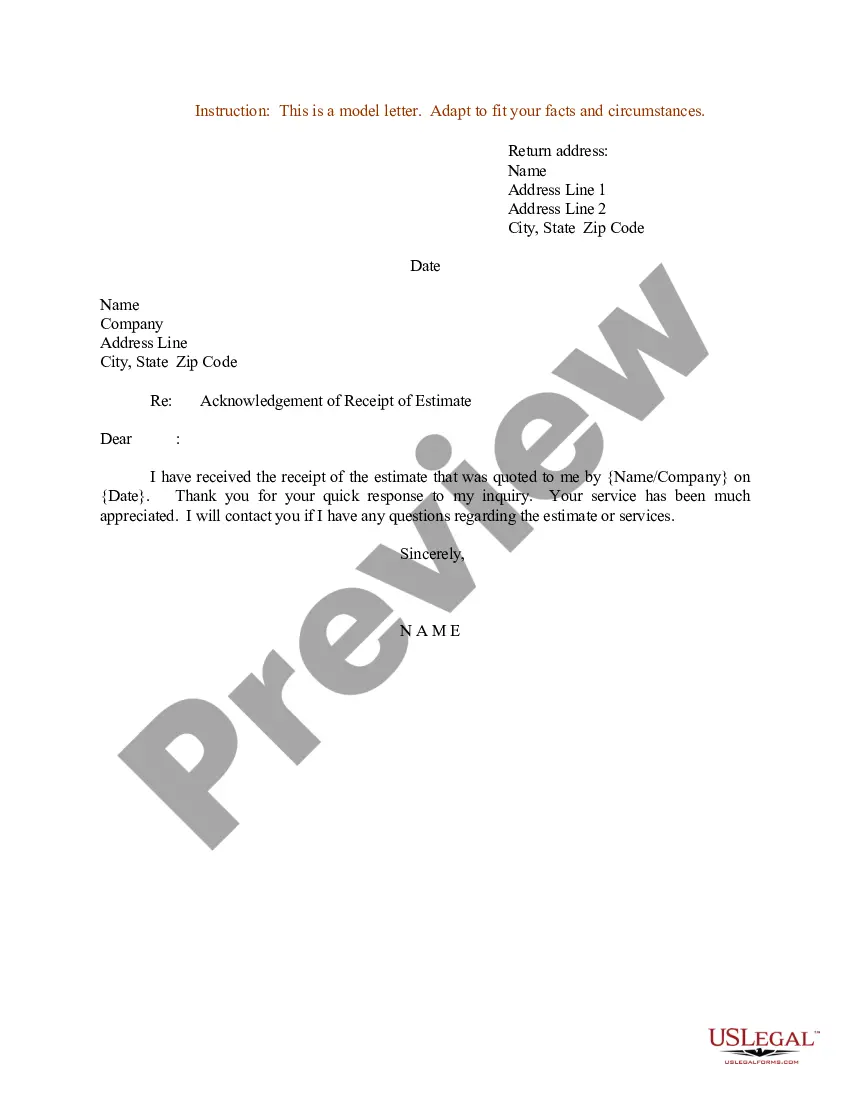


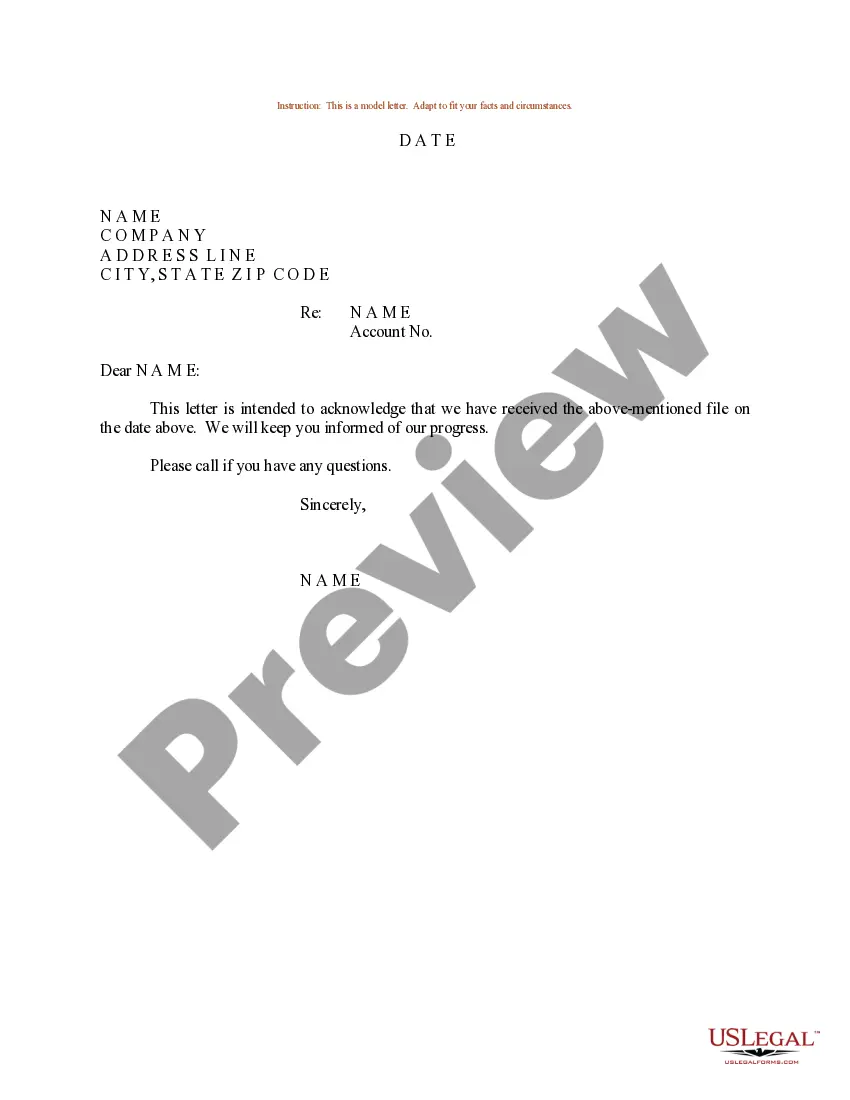
Get your form ready online
Our built-in tools help you complete, sign, share, and store your documents in one place.
Make edits, fill in missing information, and update formatting in US Legal Forms—just like you would in MS Word.
Download a copy, print it, send it by email, or mail it via USPS—whatever works best for your next step.
Sign and collect signatures with our SignNow integration. Send to multiple recipients, set reminders, and more. Go Premium to unlock E-Sign.
If this form requires notarization, complete it online through a secure video call—no need to meet a notary in person or wait for an appointment.
We protect your documents and personal data by following strict security and privacy standards.

Make edits, fill in missing information, and update formatting in US Legal Forms—just like you would in MS Word.

Download a copy, print it, send it by email, or mail it via USPS—whatever works best for your next step.

Sign and collect signatures with our SignNow integration. Send to multiple recipients, set reminders, and more. Go Premium to unlock E-Sign.

If this form requires notarization, complete it online through a secure video call—no need to meet a notary in person or wait for an appointment.

We protect your documents and personal data by following strict security and privacy standards.
Looking for another form?


Form popularity
FAQ
If you have willfully failed to comply with tax or tax-related obligations, submitting a voluntary disclosure may be a means to resolve your non-compliance and limit exposure to criminal prosecution. You have a legal duty to fully comply with U.S. tax laws. Voluntary compliance is the cornerstone of our tax system.
The Voluntary Disclosures Program (VDP) grants relief on a case-by-case basis to taxpayers and registrants who voluntarily come forward to fix errors or omissions in their tax filings before the Canada Revenue Agency (CRA) knows or contacts them about it.
One key disadvantage of a sales tax voluntary disclosure agreement is that once a company opts for it, they are essentially opening their books for examination by the tax authorities. This could potentially lead to the detection of past non-compliance issues, resulting in significant penalties and interest.
A description and value must be given of all property within the decedent's estate. Any liens, encumbrances, or mortgages on real estate can be used to reduce the property's value listed on the form. For bank accounts, indicate the name of the bank, the account number(s), and the balance at the date of death.
Now what do you fill in fill in the venue or county where you are notarizing the date you notarized.MoreNow what do you fill in fill in the venue or county where you are notarizing the date you notarized. Your name and title of office notary. Public next you fill in the name of your signer appearing.
NDAs generally will only be enforced if the enforcing party can show: (1) the existence of a trade secret or other confidential information; (2) that the trade secret or confidential information was acquired improperly or as a result of a confidential relationship; and (3) that there was actual or threatened ...
No matter its title, an NDA is a binding contract, commonly used when two or more parties wish to enter into initial discussions about specific confidential processes, methods or technology, to consider a potential, future relationship, and to agree to restrict the usage and additional disclosure of the shared ...
The Michigan Seller's Disclosure Act also includes provisions regarding the liability of sellers for misrepresentation under MCL 565.955. If a seller intentionally conceals or fails to disclose a known material defect, they may be held liable for damages incurred by the buyer due to the non-disclosure.
The Parties understand, acknowledge, and agree that neither the disclosing party nor its Representatives is making any representation or warranty as to the accuracy, reliability, or completeness of any Confidential Information and that neither the disclosing party nor its Representatives shall have any responsibility ...
NDAs are enforceable when they are signed — if they are properly drafted and executed. NDAs are enforceable once signed, provided they have been drafted and executed properly. Unilateral NDAs need only the signature of the receiving party, whereas mutual non-disclosure agreements need the signatures of both parties.
