Acknowledgement Without Disclosure In Arizona
Description
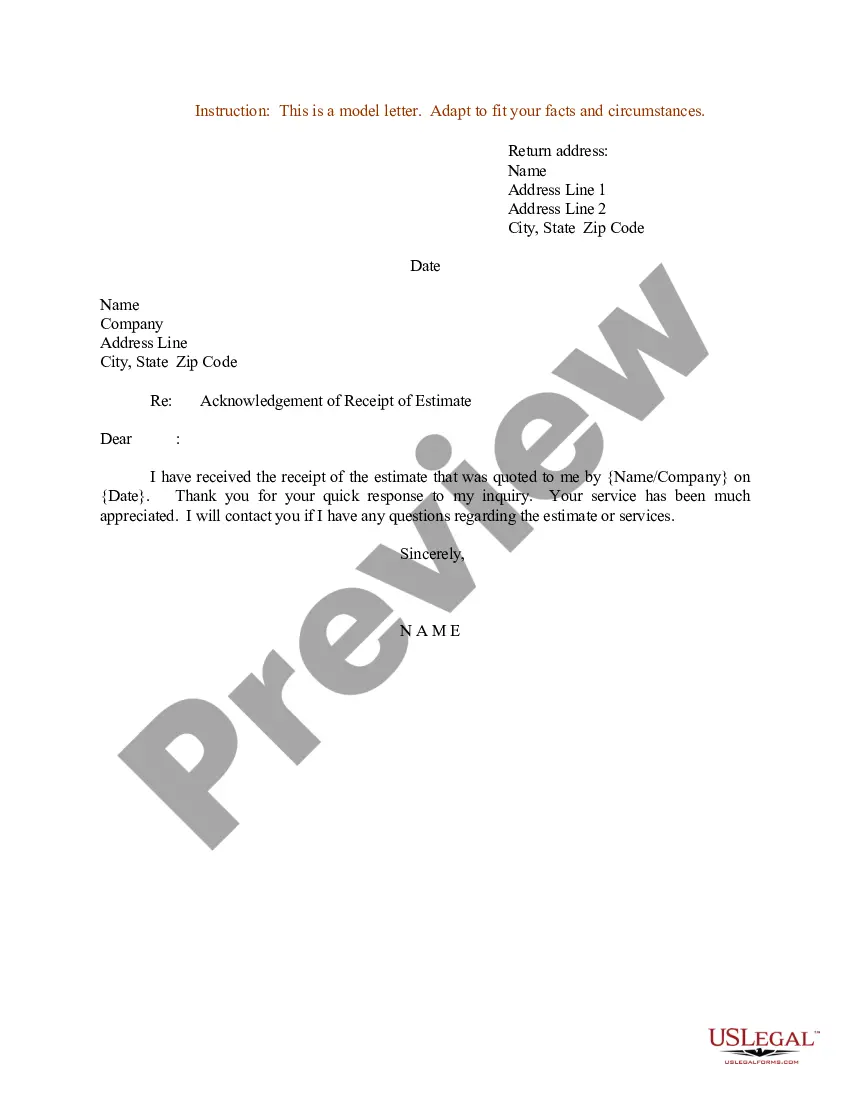



Get your form ready online
Our built-in tools help you complete, sign, share, and store your documents in one place.
Make edits, fill in missing information, and update formatting in US Legal Forms—just like you would in MS Word.
Download a copy, print it, send it by email, or mail it via USPS—whatever works best for your next step.
Sign and collect signatures with our SignNow integration. Send to multiple recipients, set reminders, and more. Go Premium to unlock E-Sign.
If this form requires notarization, complete it online through a secure video call—no need to meet a notary in person or wait for an appointment.
We protect your documents and personal data by following strict security and privacy standards.

Make edits, fill in missing information, and update formatting in US Legal Forms—just like you would in MS Word.

Download a copy, print it, send it by email, or mail it via USPS—whatever works best for your next step.

Sign and collect signatures with our SignNow integration. Send to multiple recipients, set reminders, and more. Go Premium to unlock E-Sign.

If this form requires notarization, complete it online through a secure video call—no need to meet a notary in person or wait for an appointment.

We protect your documents and personal data by following strict security and privacy standards.
Looking for another form?

Form popularity
FAQ
The purpose of an acknowledgment is for a signer, whose identity has been verified, to declare to a Notary or notarial officer that he or she has willingly signed a document.
What is an acknowledgment? The purpose of an acknowledgment is for a signer, whose identity has been verified, to declare to a Notary or notarial officer that he or she has willingly signed a document.
A notary public may not notarize a document for a signer who cannot directly acknowledge his signature or swear to the truthfulness of the statements in the notarial ceremony. Without the notarial ceremony, the notarial act is not officially executed.
One of the most common mistakes that notaries make is not printing or signing their name exactly as it appears on their notary commission.
Given under my hand and seal of office this __________ day of __________, (year). This instrument was acknowledged before me on (date) by (name or names of person or persons acknowledging).
I) An Attested copy of the Matriculation Certificate( for date of birth); (ii) An Attested copy of the Original Graduation Degree Certificate; (iii) An Attested copy of the Original LLB Degree Certificate; (iv) An Attested copy of the Enrolment Certificate issued from the concerned Bar Council; (v) Name in the ...
Exempt: Adoption records; disciplinary records of some professional groups; some medical records; some corrections department records; bank records; and trade secrets.
“Commercial purpose” means the use of a public record for: 1. the purpose of sale or resale of the record; 2. the purpose of producing a document containing all or part of the copy, printout or photograph for sale; 3. obtaining names and addresses from public records for the purpose of solicitation; 4.
The Arizona Public Records Law has been in existence for more than 100 years and mandates that all public records be open to inspection by any person at all times during office hours. Public records include books, papers, maps, photographs or other documentary materials.
Public Records Requests should be made directly to the agency where the records reside. Please read Title 39 of the Arizona Revised Statutes to learn more about accessing public records. For questions or concerns regarding public records requests, contact the Arizona Ombudsman Citizen's Aide .
