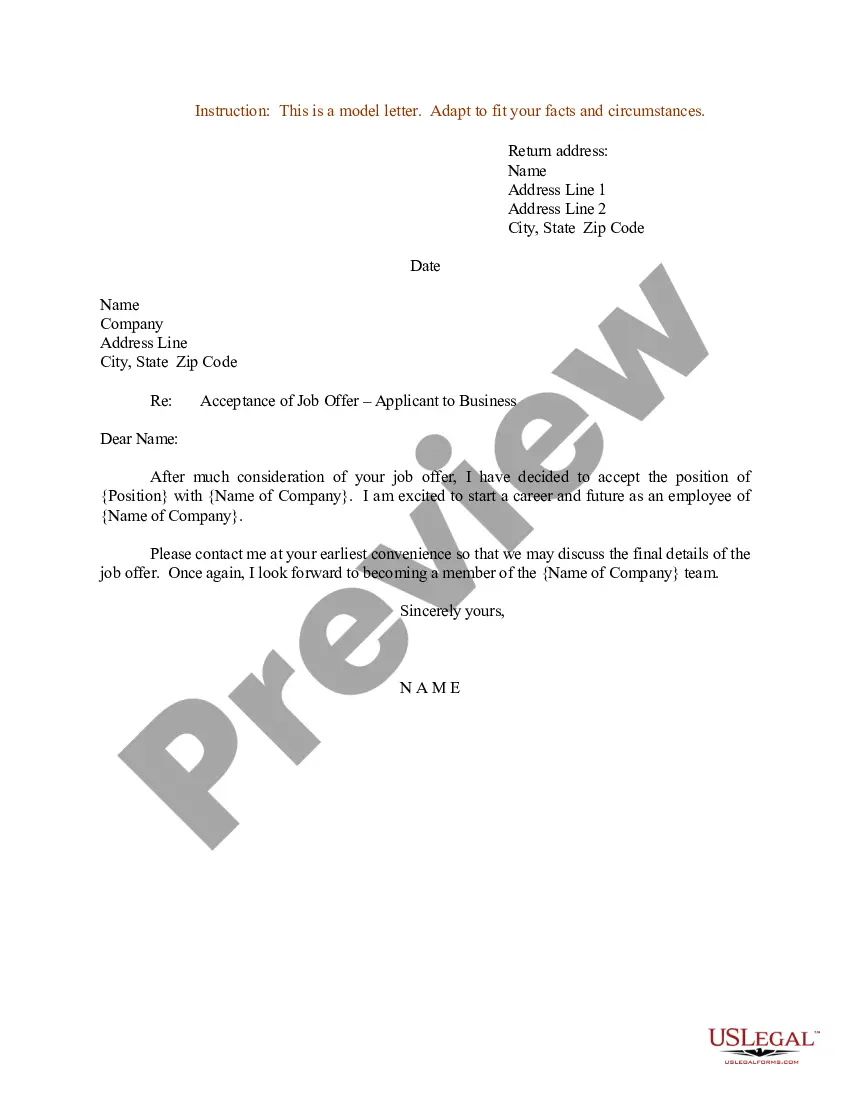
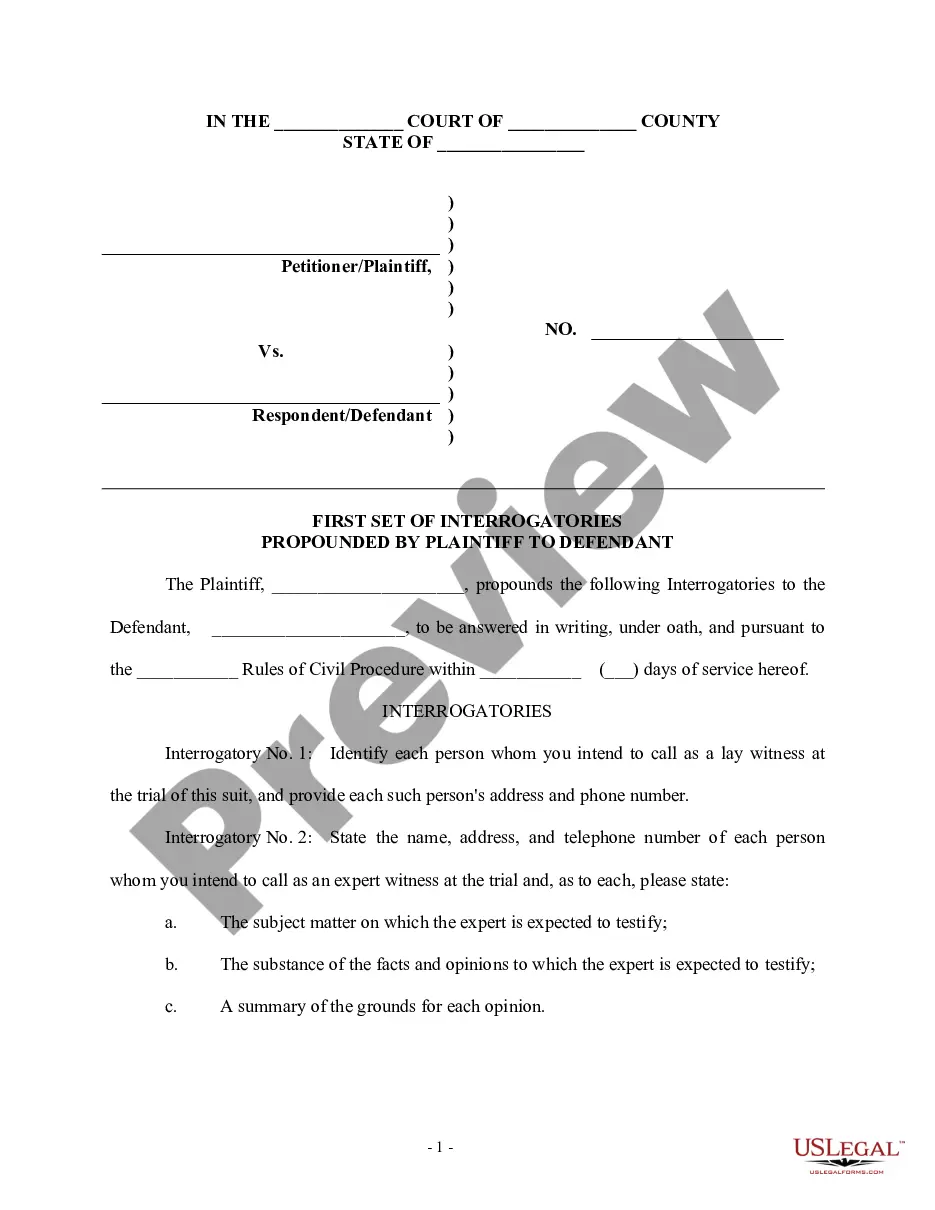
Notice Of Discovery Within In Virginia
Description

Get your form ready online
Our built-in tools help you complete, sign, share, and store your documents in one place.
Make edits, fill in missing information, and update formatting in US Legal Forms—just like you would in MS Word.
Download a copy, print it, send it by email, or mail it via USPS—whatever works best for your next step.
Sign and collect signatures with our SignNow integration. Send to multiple recipients, set reminders, and more. Go Premium to unlock E-Sign.
If this form requires notarization, complete it online through a secure video call—no need to meet a notary in person or wait for an appointment.
We protect your documents and personal data by following strict security and privacy standards.

Make edits, fill in missing information, and update formatting in US Legal Forms—just like you would in MS Word.

Download a copy, print it, send it by email, or mail it via USPS—whatever works best for your next step.

Sign and collect signatures with our SignNow integration. Send to multiple recipients, set reminders, and more. Go Premium to unlock E-Sign.

If this form requires notarization, complete it online through a secure video call—no need to meet a notary in person or wait for an appointment.

We protect your documents and personal data by following strict security and privacy standards.
Looking for another form?




Form popularity
FAQ
The party upon whom the request is served must serve a written response within 21 days after the service of the request, except that a defendant may serve a response within 28 days after service of the complaint upon that defendant. The court may allow a shorter or longer time.
The legal requirement of Brady disclosure only applies to evidence that is “material” to the defendant's guilt or punishment, whereas Rule 3.8(d) does not include any materiality standard and requires disclosure of any evidence that “tends to negate the guilt of the accused, mitigate the degree of the offense, or ...
(1) A party is under a duty promptly to amend and/or supplement all responses to discovery requests directly addressed to (A) the identity and location of persons having knowledge of discoverable matters, and (B) the identity of each person expected to be called as an expert witness at trial, the subject matter on ...
Under the Rules, a written motion must be filed to ask for discovery. It must be filed at least 10 days before trial. What Information Must the Prosecutor Provide? In general, discovery is limited to information that the prosecutor or local law enforcement has.
Parties may obtain discovery regarding any matter, not privileged, which is relevant to the subject matter involved in the pending action, whether it relates to the claim or defense of the party seeking discovery or to the claim or defense of any other party, including the existence, description, nature, custody, ...
Rule . — All final judgments, orders, and decrees, irrespective of terms of court, remain under the control of the trial court and may be modified, vacated, or suspended for twenty-one days after the date of entry, and no longer.
Generally, the party receiving the discovery request has 30 days to respond. Some exceptions and variations apply, so make sure you review how much time you have to respond depending on the type of case, the rules, and the type of discovery method used.
Default. (1) Except in suits for divorce or annulling a marriage, the court will, on motion of the plaintiff, enter judgment for the relief appearing to the court to be due.