Notice Discovery Template For Product In Virginia
Description


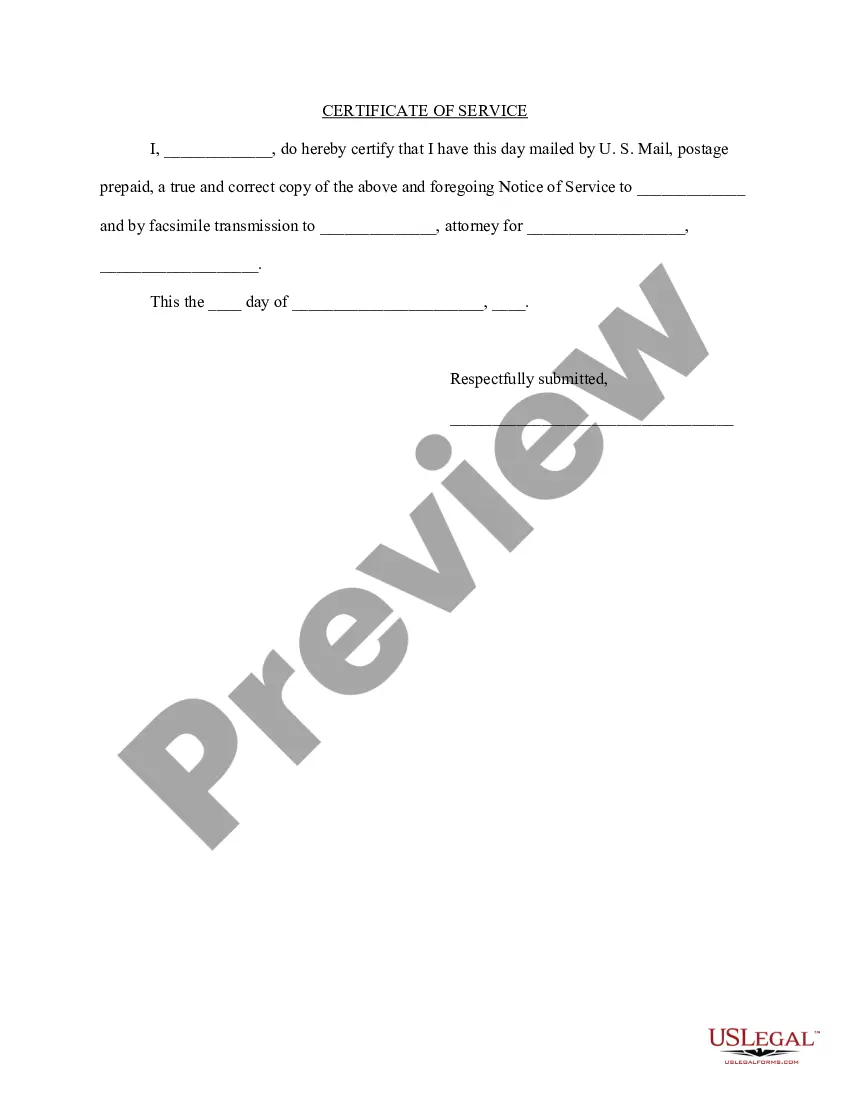
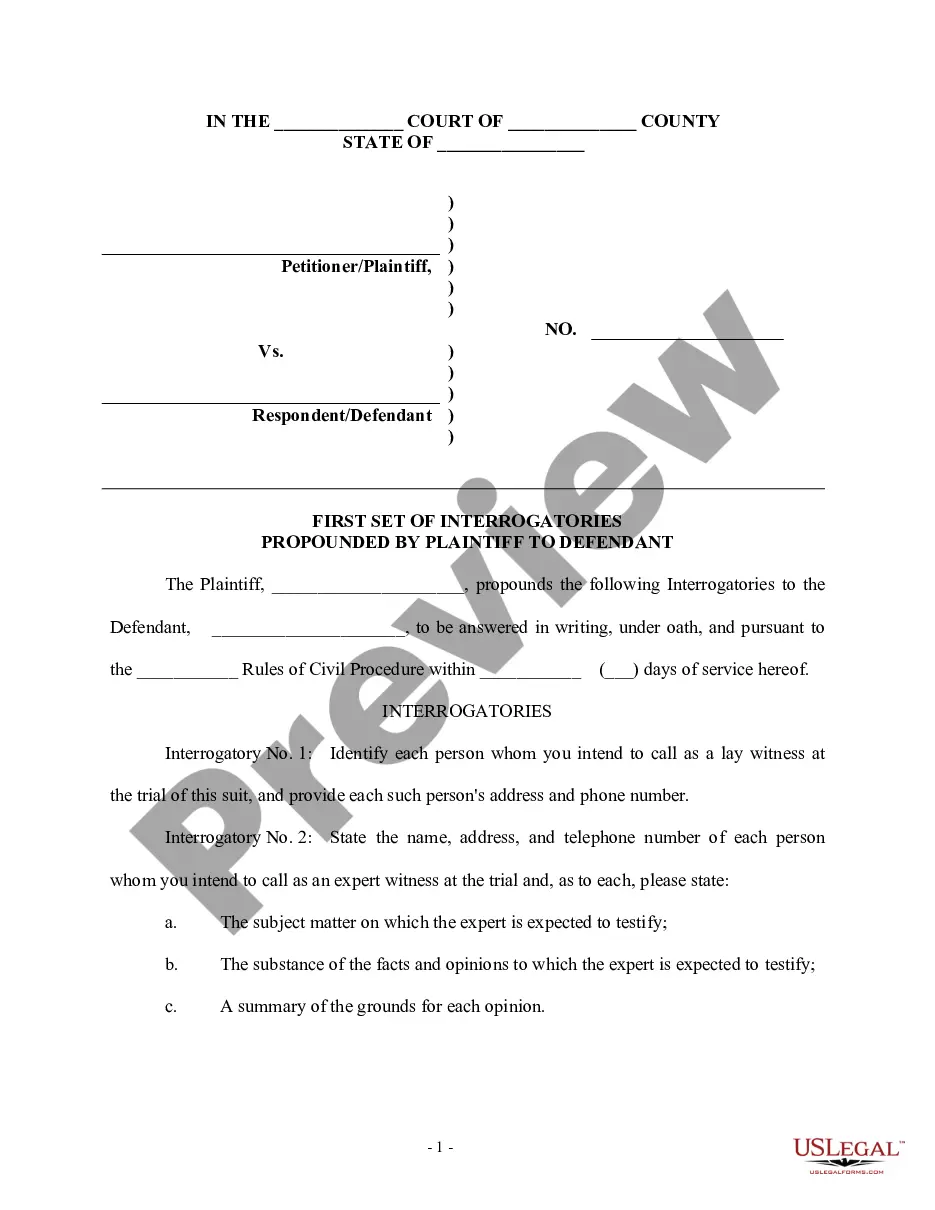
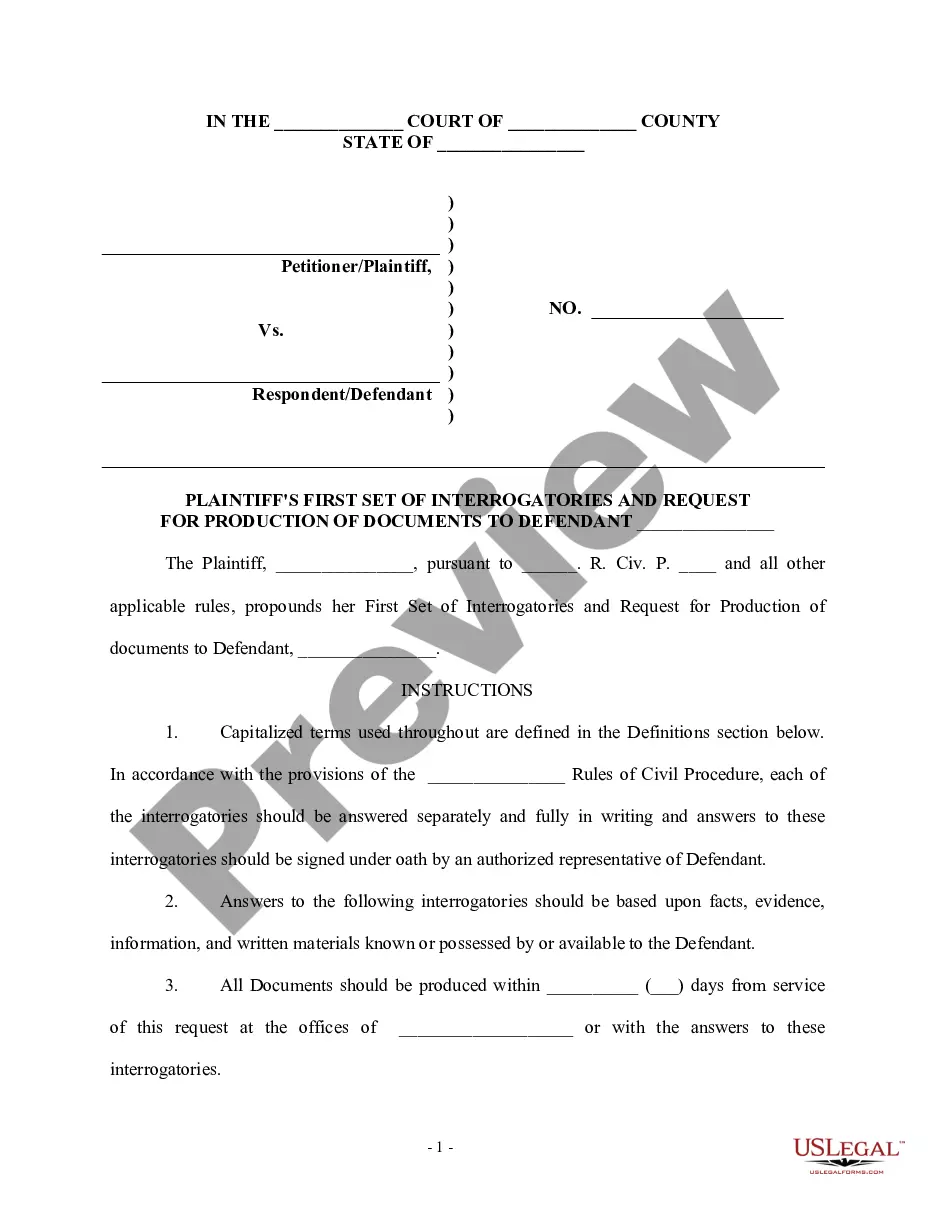
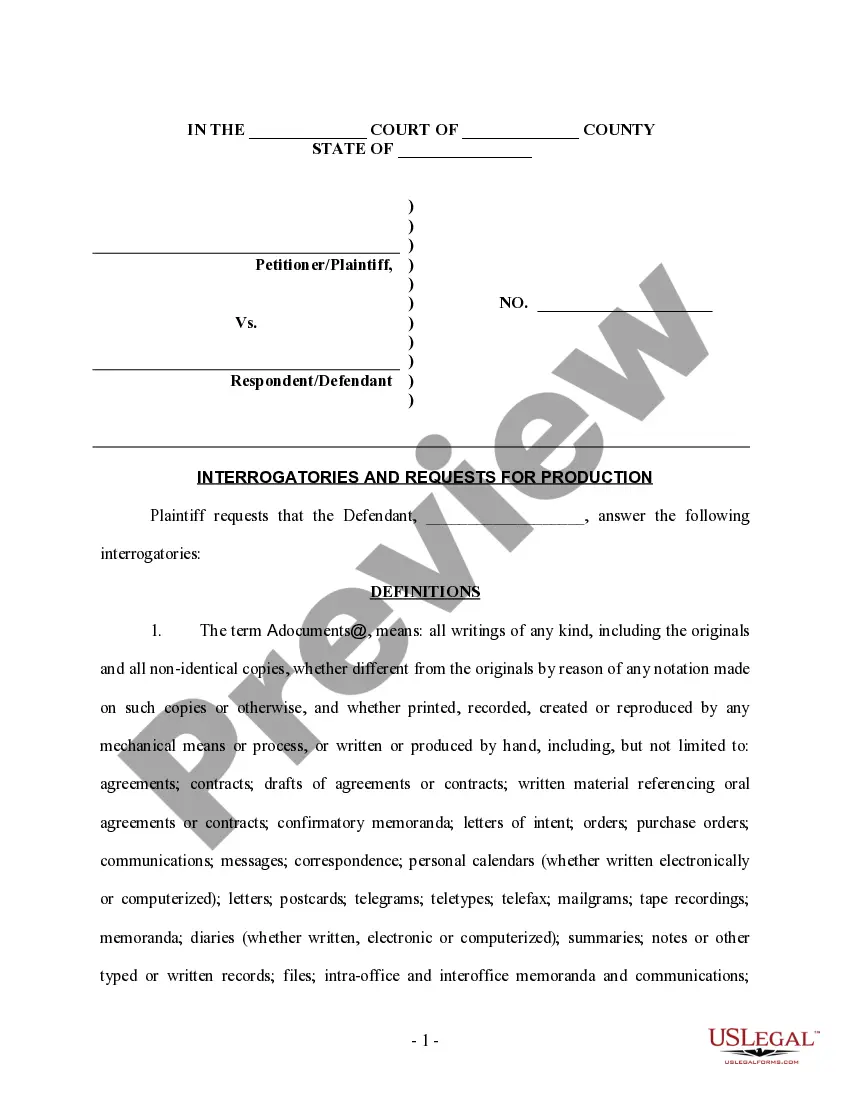
Get your form ready online
Our built-in tools help you complete, sign, share, and store your documents in one place.
Make edits, fill in missing information, and update formatting in US Legal Forms—just like you would in MS Word.
Download a copy, print it, send it by email, or mail it via USPS—whatever works best for your next step.
Sign and collect signatures with our SignNow integration. Send to multiple recipients, set reminders, and more. Go Premium to unlock E-Sign.
If this form requires notarization, complete it online through a secure video call—no need to meet a notary in person or wait for an appointment.
We protect your documents and personal data by following strict security and privacy standards.

Make edits, fill in missing information, and update formatting in US Legal Forms—just like you would in MS Word.

Download a copy, print it, send it by email, or mail it via USPS—whatever works best for your next step.

Sign and collect signatures with our SignNow integration. Send to multiple recipients, set reminders, and more. Go Premium to unlock E-Sign.

If this form requires notarization, complete it online through a secure video call—no need to meet a notary in person or wait for an appointment.

We protect your documents and personal data by following strict security and privacy standards.
Looking for another form?









Form popularity
FAQ
Parties may obtain discovery regarding any matter, not privileged, which is relevant to the subject matter involved in the pending action, whether it relates to the claim or defense of the party seeking discovery or to the claim or defense of any other party, including the existence, description, nature, custody, ...
Write out each fact you wish the other party to admit is true. When writing these facts, be as clear and concise as possible. Each request must be for a single fact; do not include multiple facts, compound questions, or subparts.
Parties usually send their discovery requests and responses to the other party electronically, by email. But, parties may also send or respond to discovery requests by U.S. mail or a parcel service. Discovery requests and responses should not be sent to the Administrative Judge, except to support a motion.
Under the Rules, a written motion must be filed to ask for discovery. It must be filed at least 10 days before trial. What Information Must the Prosecutor Provide? In general, discovery is limited to information that the prosecutor or local law enforcement has.
Requests for admissions and requests for interrogatories may have a page that requires a notarized signature. The original notarized signature should be provided with final answers to discovery to the requesting party. When answering requests for production of documents, copies of documents may be provided.
Steps Of The Discovery Process. There are four key actions in the discovery process which include interrogatories, request for documents, request for admissions, and depositions.
In a formal discovery, you formally ask for information and documents. You can also ask other people for information. For example, you may need documents from your spouse's employer. They also must respond.