Proof Of Service For Discovery Requests In Suffolk
Description



Get your form ready online
Our built-in tools help you complete, sign, share, and store your documents in one place.
Make edits, fill in missing information, and update formatting in US Legal Forms—just like you would in MS Word.
Download a copy, print it, send it by email, or mail it via USPS—whatever works best for your next step.
Sign and collect signatures with our SignNow integration. Send to multiple recipients, set reminders, and more. Go Premium to unlock E-Sign.
If this form requires notarization, complete it online through a secure video call—no need to meet a notary in person or wait for an appointment.
We protect your documents and personal data by following strict security and privacy standards.

Make edits, fill in missing information, and update formatting in US Legal Forms—just like you would in MS Word.

Download a copy, print it, send it by email, or mail it via USPS—whatever works best for your next step.

Sign and collect signatures with our SignNow integration. Send to multiple recipients, set reminders, and more. Go Premium to unlock E-Sign.

If this form requires notarization, complete it online through a secure video call—no need to meet a notary in person or wait for an appointment.

We protect your documents and personal data by following strict security and privacy standards.
Looking for another form?




Form popularity
FAQ
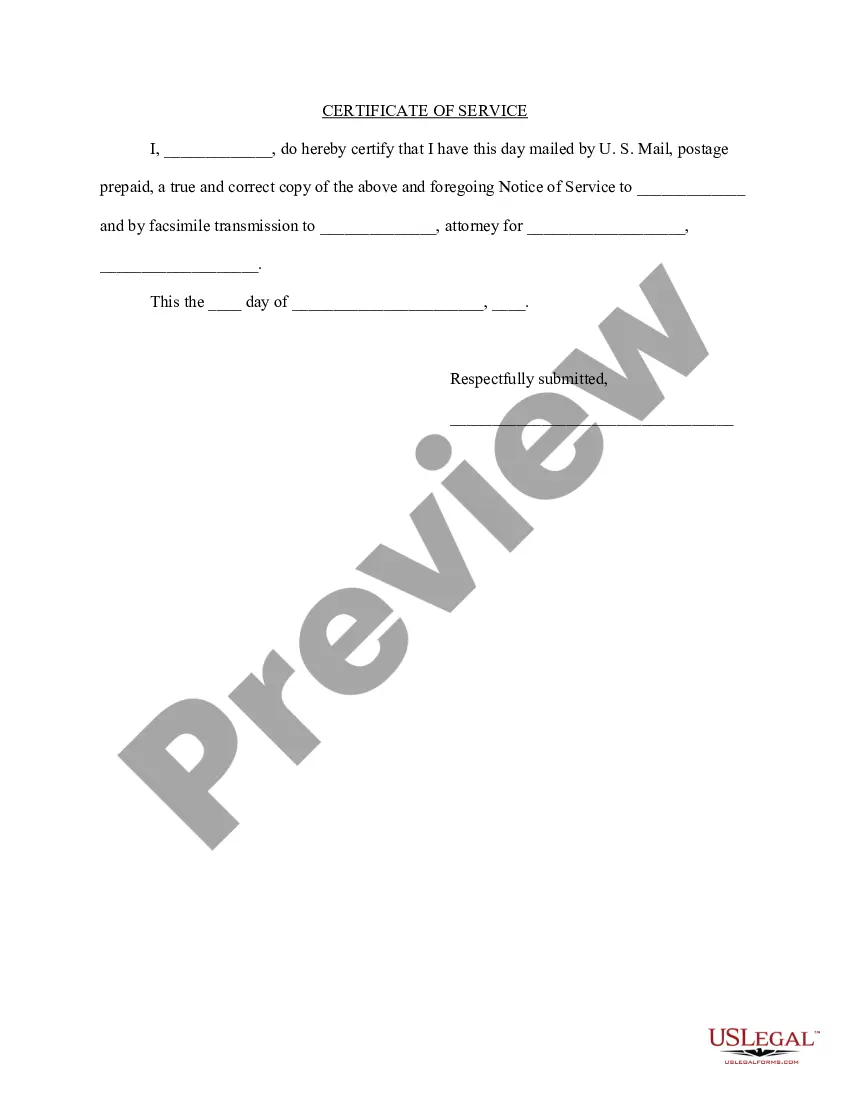
When you file documents with the court, it's a requirement that you provide copies of the same documents to the other party involved in the case or their lawyer. To verify that you've done this, the court requires you to attach a certificate of service at the end of the documents you file with the court.
Obtain the Form: Obtain the affidavit of service form from the court or its website. Fill Out Personal Information: Include the servicer's and recipient's names, addresses, and any other required identification details. Detail Document Information: Specify the type of documents served (e.g., complaint, summons).
Proof of service shall specify the papers served, the person who was served and the date, time, address, or, in the event there is no address, place and manner of service, and set forth facts showing that the service was made by an authorized person and in an authorized manner.
(l) Proving Service. (1) Affidavit Required. Unless service is waived, proof of service must be made to the court.
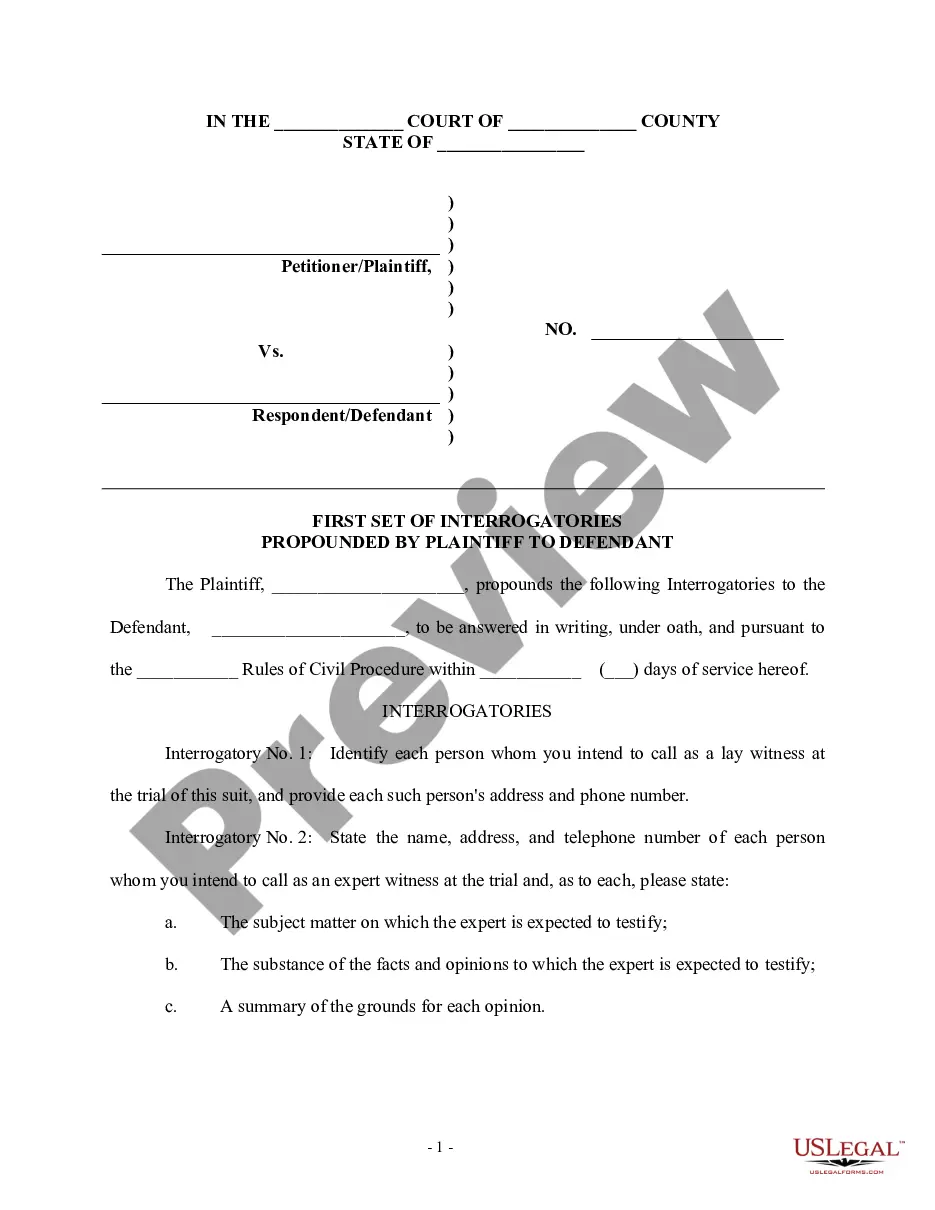
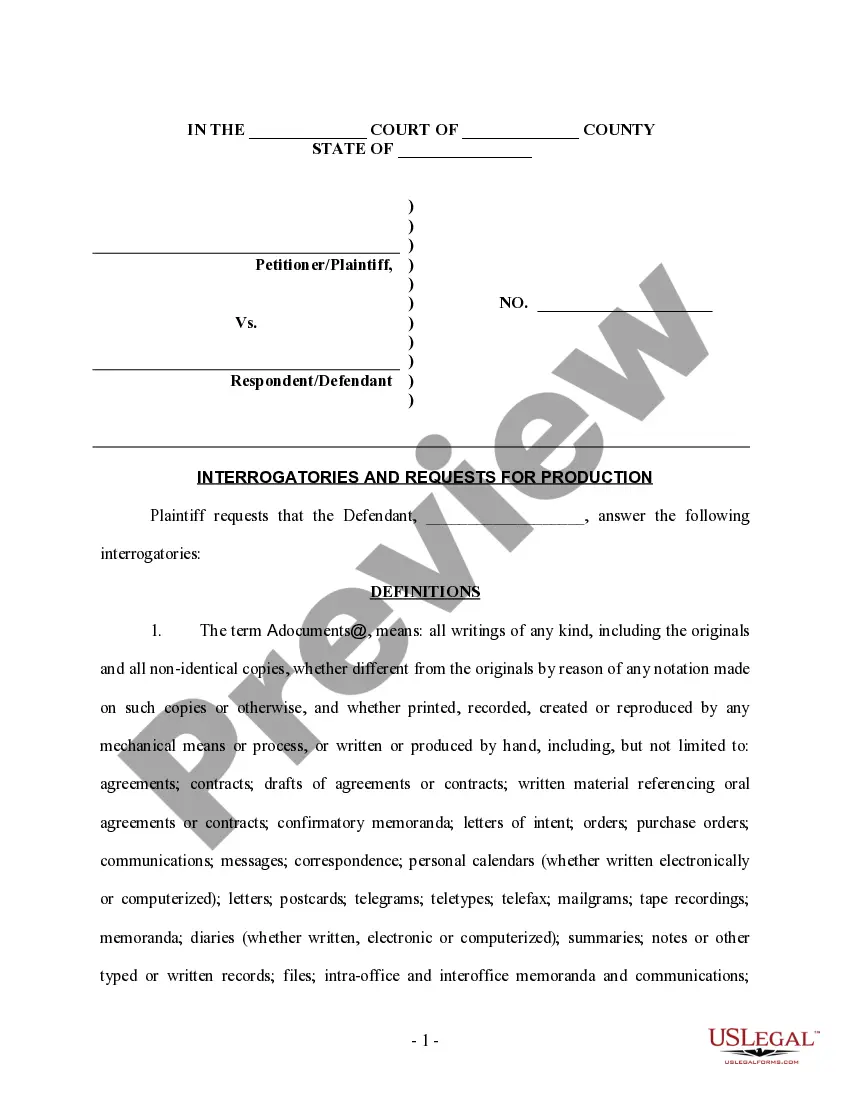
The original form interrogatories and signed proof of service should be retained for your records. If the other party does not respond to your requests, you may use these documents to support a motion to have the court compel responses.
Certificate discovery refers to the use of scanning tools to detect a company's public and private TLS/SSL certificates. Cloud-based sensors can be used to identify public-facing TLS/SSL certificates. Network-based sensors and agents can be used to identify the digital certificates located on a company's network.
A Proof of Service is a document filed with the Court to show that the summons and complaint were successfully served on the defendant in a lawsuit.
For a certificate of service for discovery papers, such as written discovery requests and responses, see Form – Certificate of Service (Discovery). The Federal Rules of Civil Procedure state that no certificate of service is required when a paper is served by filing it with the court's electronic-filing (ECF) system.
Wills are a confidential document until the person dies. Once the Will is admitted to probate or a small estate, it becomes a public document that anyone can see and read. The New York State Archives holds a limited number of post-1789 probate records.