Service Interrogatories With Questions In Pennsylvania
Description



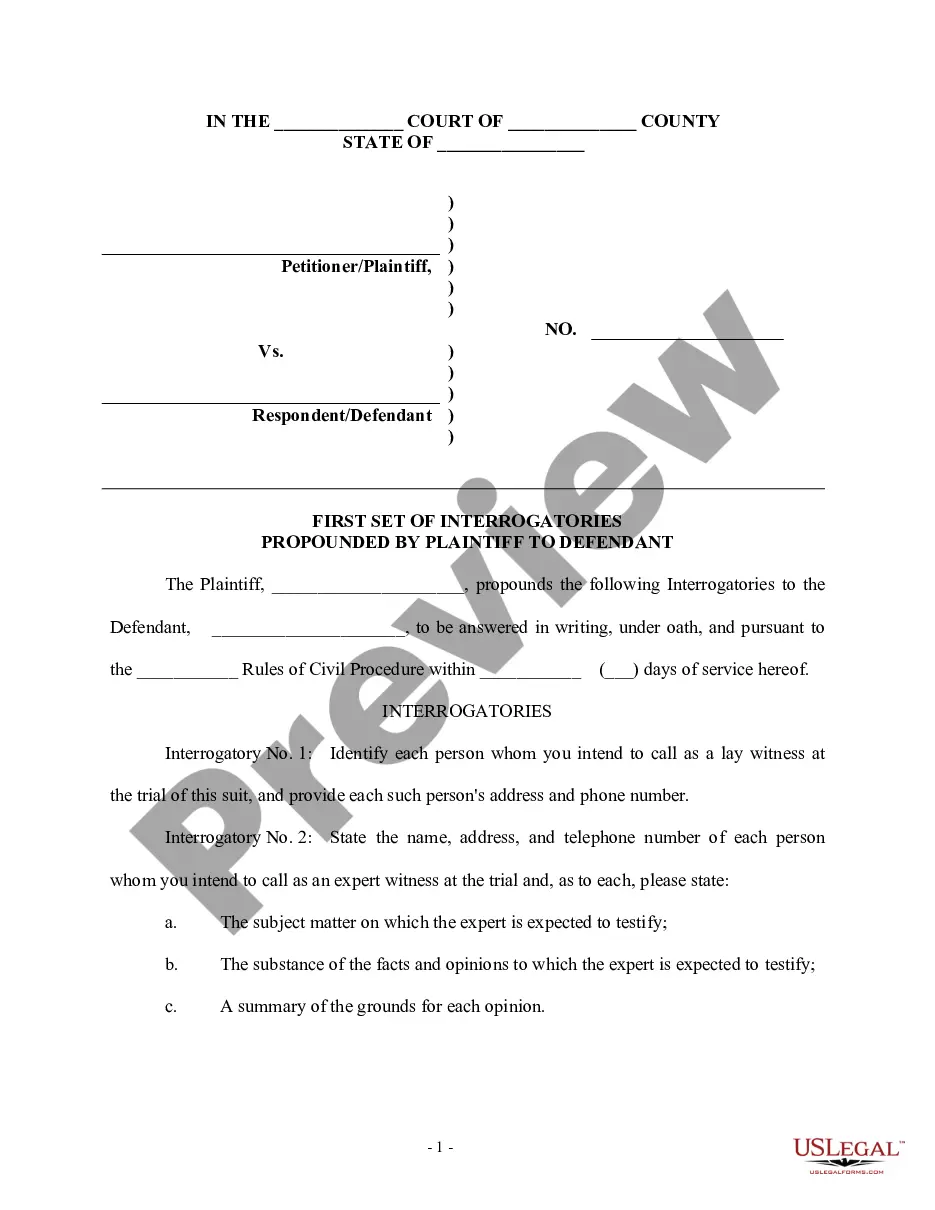
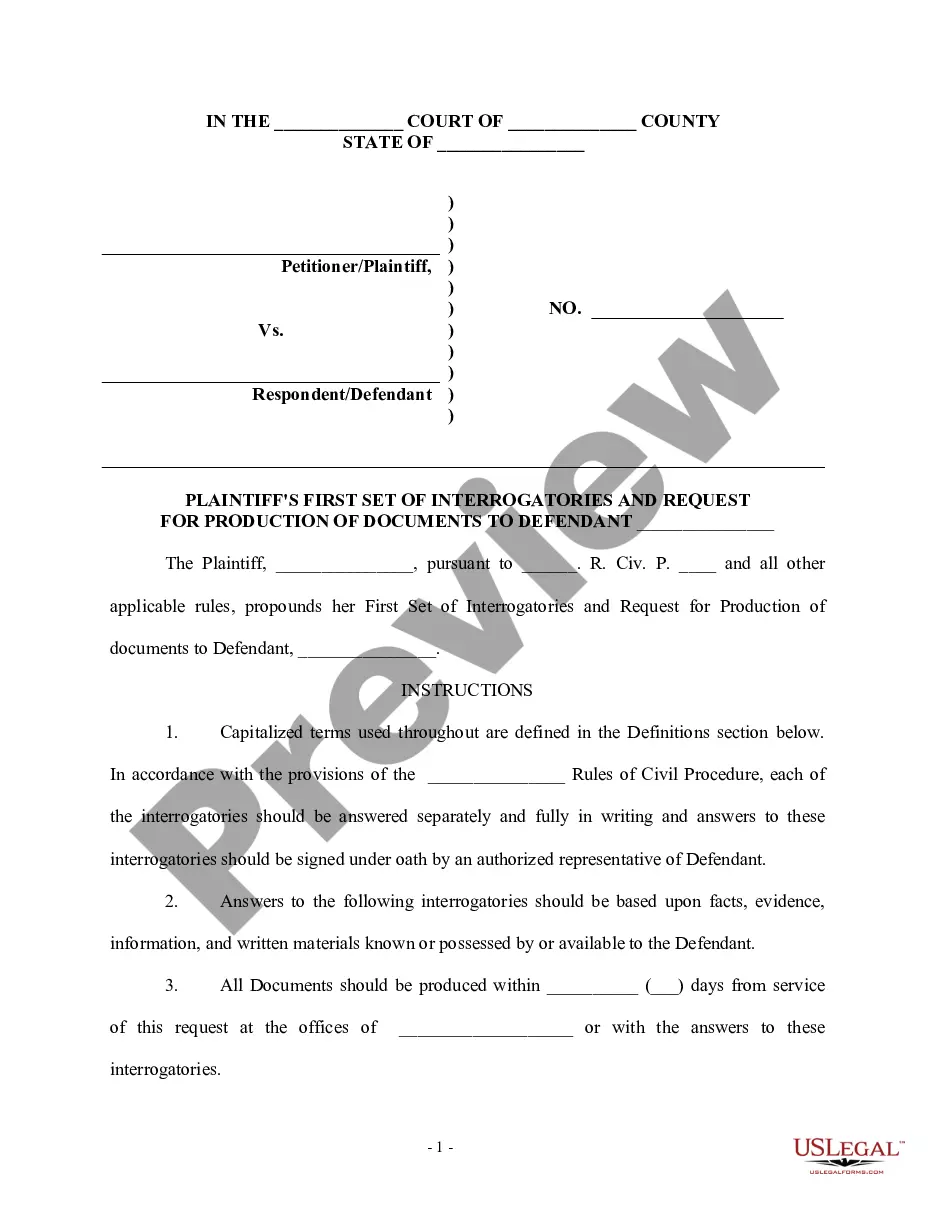
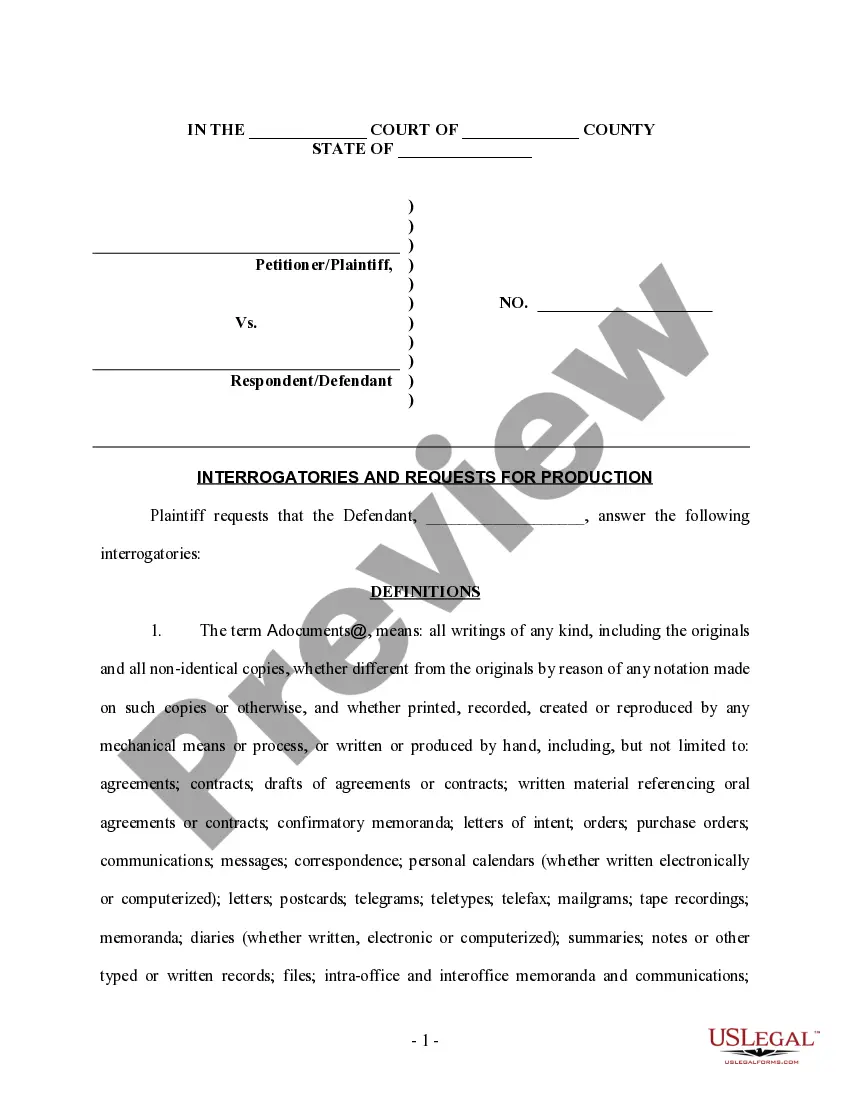
Get your form ready online
Our built-in tools help you complete, sign, share, and store your documents in one place.
Make edits, fill in missing information, and update formatting in US Legal Forms—just like you would in MS Word.
Download a copy, print it, send it by email, or mail it via USPS—whatever works best for your next step.
Sign and collect signatures with our SignNow integration. Send to multiple recipients, set reminders, and more. Go Premium to unlock E-Sign.
If this form requires notarization, complete it online through a secure video call—no need to meet a notary in person or wait for an appointment.
We protect your documents and personal data by following strict security and privacy standards.

Make edits, fill in missing information, and update formatting in US Legal Forms—just like you would in MS Word.

Download a copy, print it, send it by email, or mail it via USPS—whatever works best for your next step.

Sign and collect signatures with our SignNow integration. Send to multiple recipients, set reminders, and more. Go Premium to unlock E-Sign.

If this form requires notarization, complete it online through a secure video call—no need to meet a notary in person or wait for an appointment.

We protect your documents and personal data by following strict security and privacy standards.
Looking for another form?










Form popularity
FAQ
Procedure on Depositions by Written Interrogatories. (a)(1) A party taking a deposition by written interrogatories shall serve a copy of the interrogatories upon each party or the attorney of record of each party.
Each party is allowed to serve 25 interrogatories upon any other party, but must secure leave of court (or a stipulation from the opposing party) to serve a larger number.
Interrogatories are lists of questions sent to the other party that s/he must respond to in writing. You can use interrogatories to find out facts about a case but they cannot be used for questions that draw a legal conclusion.
Complete Your Responses to the Interrogatories You must respond to each request individually. You do not need to repeat the text of the question, but your responses must be in the same order as the requests, and each response should be labeled with the same number or letter as the request.
4011 (relating to limitation of scope of discovery and deposition), the following limitations on discovery apply: (1) Interrogatories to a party, as a matter of right, may not exceed ten in number.
Interrogatories allow the parties to ask who, what, when, where and why questions, making them a good method for obtaining new information.
Ask for a court order If the other person does not respond, or their response is still incomplete, you can ask the court to order them to respond. You have 45 days from the service of the most recent responses to ask the court to make an order requiring an answer.
(1) Be in writing. (2) Identify the name and position of the individual who provided the answer. (3) Be submitted as an answer and may not be submitted as an exhibit or in another form. (4) Answer each interrogatory fully and completely unless an objection is made.
Rule 4003.4 - Depositions-Discovery of Prior Statement (A) A party who has given a signed or mechanically recorded statement to another party shall not be required to submit to deposition for discovery by such other party with respect to the subject matter of such statement unless he has been furnished with a copy of ...
Under the Pennsylvania statute of limitations, a plaintiff must bring a medical negligence claim within two years after an injury occurs. There is an exception, deemed the “discovery rule,” which allows extra time to file the claim if the plaintiff was unaware of the injury until after two years had passed.