Proof Of Service For Discovery Requests In Montgomery
Description



Get your form ready online
Our built-in tools help you complete, sign, share, and store your documents in one place.
Make edits, fill in missing information, and update formatting in US Legal Forms—just like you would in MS Word.
Download a copy, print it, send it by email, or mail it via USPS—whatever works best for your next step.
Sign and collect signatures with our SignNow integration. Send to multiple recipients, set reminders, and more. Go Premium to unlock E-Sign.
If this form requires notarization, complete it online through a secure video call—no need to meet a notary in person or wait for an appointment.
We protect your documents and personal data by following strict security and privacy standards.

Make edits, fill in missing information, and update formatting in US Legal Forms—just like you would in MS Word.

Download a copy, print it, send it by email, or mail it via USPS—whatever works best for your next step.

Sign and collect signatures with our SignNow integration. Send to multiple recipients, set reminders, and more. Go Premium to unlock E-Sign.

If this form requires notarization, complete it online through a secure video call—no need to meet a notary in person or wait for an appointment.

We protect your documents and personal data by following strict security and privacy standards.
Looking for another form?



Form popularity
FAQ
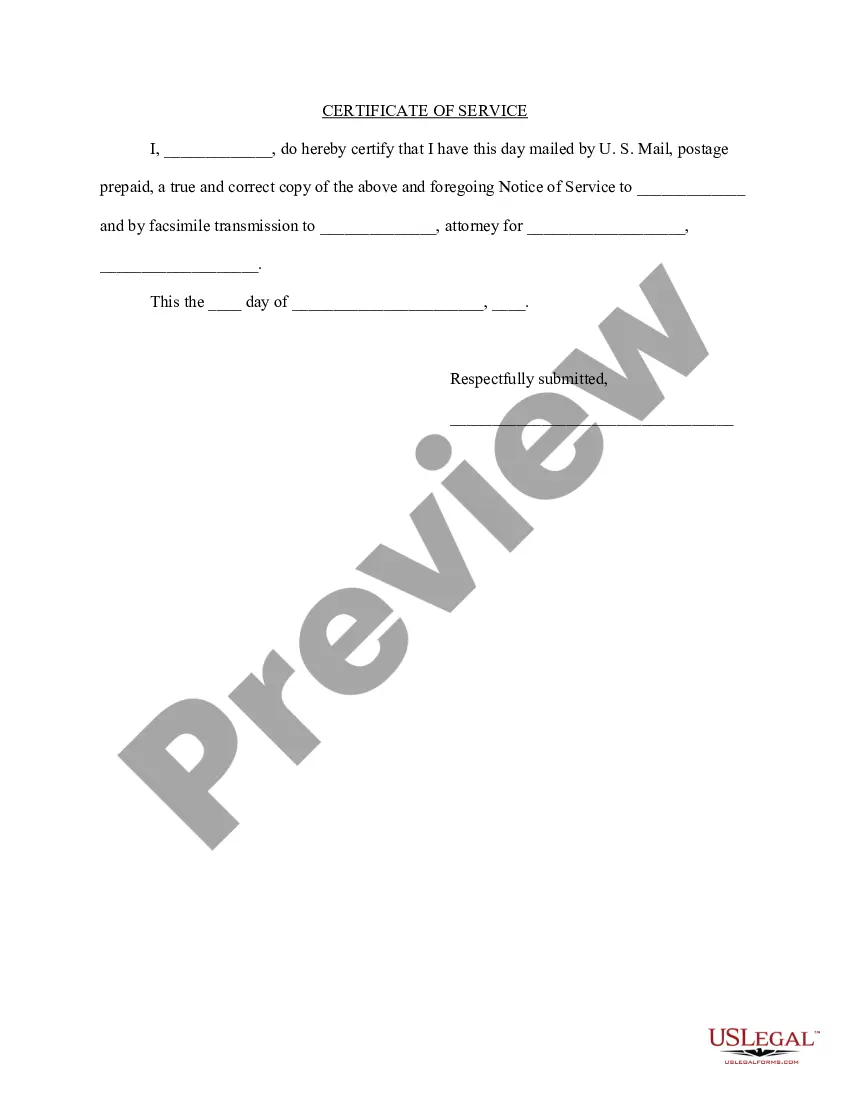
A Proof of Service is a document filed with the Court to show that the summons and complaint were successfully served on the defendant in a lawsuit.
Typically prepared by the process server, an affidavit of service form is often an official court form that can be obtained from the court clerk or various online sources. The document usually includes the following information: The name of the person served. The date, time, and place the person was served.
Certificate discovery refers to the use of scanning tools to detect a company's public and private TLS/SSL certificates. Cloud-based sensors can be used to identify public-facing TLS/SSL certificates. Network-based sensors and agents can be used to identify the digital certificates located on a company's network.
In Maryland, whomever you are serving the papers to must be the direct recipient of served papers. This means that you have to serve the individual in question directly.
The following are six critical sections that must be included: Title. This is either your name (“Affidavit of Jane Doe”) or the specific case information. Statement of identity. The next paragraph tells the court about yourself. Statement of truth. Statement of facts. Closing statement of truth. Sign and notarize.
An affidavit for service must include the server's personal information (name, address, and contact details), the specifics of the service (date, time, and method of delivery), and a declaration of truth, swearing under oath that the information is accurate.
Obtain the Form: Obtain the affidavit of service form from the court or its website. Fill Out Personal Information: Include the servicer's and recipient's names, addresses, and any other required identification details. Detail Document Information: Specify the type of documents served (e.g., complaint, summons).
An example of a Proof of Service is a signed declaration from the person who served the documents, stating the name of the person who was served and the date, time, and manner of service. A Proof of Service may also include an affidavit, which is a sworn statement that the documents were properly served.
An affidavit for service must include the server's personal information (name, address, and contact details), the specifics of the service (date, time, and method of delivery), and a declaration of truth, swearing under oath that the information is accurate.
For a certificate of service for discovery papers, such as written discovery requests and responses, see Form – Certificate of Service (Discovery). The Federal Rules of Civil Procedure state that no certificate of service is required when a paper is served by filing it with the court's electronic-filing (ECF) system.