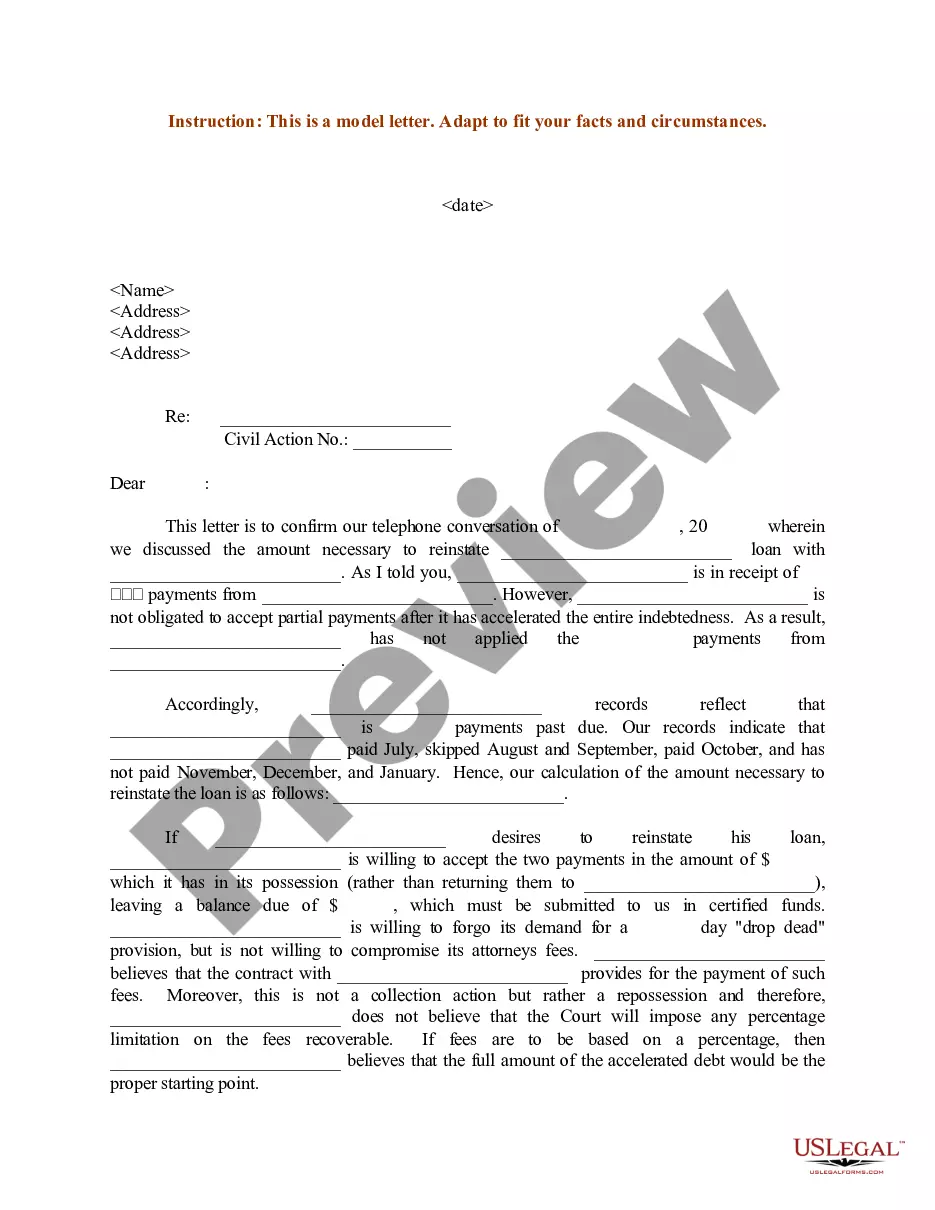
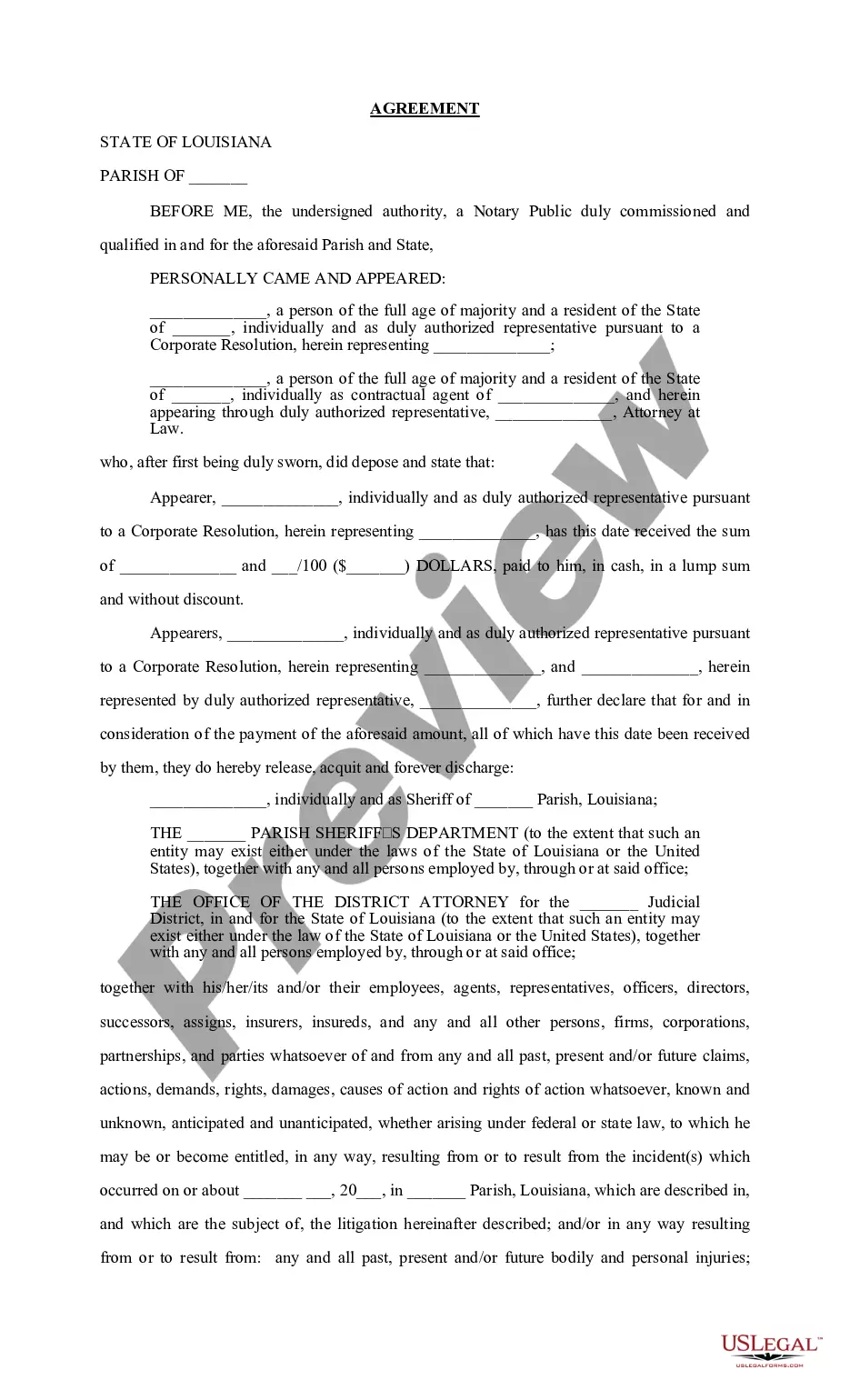
Notification With Service Worker In Montgomery
Description






Get your form ready online
Our built-in tools help you complete, sign, share, and store your documents in one place.
Make edits, fill in missing information, and update formatting in US Legal Forms—just like you would in MS Word.
Download a copy, print it, send it by email, or mail it via USPS—whatever works best for your next step.
Sign and collect signatures with our SignNow integration. Send to multiple recipients, set reminders, and more. Go Premium to unlock E-Sign.
If this form requires notarization, complete it online through a secure video call—no need to meet a notary in person or wait for an appointment.
We protect your documents and personal data by following strict security and privacy standards.

Make edits, fill in missing information, and update formatting in US Legal Forms—just like you would in MS Word.

Download a copy, print it, send it by email, or mail it via USPS—whatever works best for your next step.

Sign and collect signatures with our SignNow integration. Send to multiple recipients, set reminders, and more. Go Premium to unlock E-Sign.

If this form requires notarization, complete it online through a secure video call—no need to meet a notary in person or wait for an appointment.

We protect your documents and personal data by following strict security and privacy standards.
Looking for another form?







Form popularity
FAQ
Domestic service workers include companions, babysitters, cooks, waiters, maids, housekeepers, nannies, nurses, janitors, caretakers, handymen, gardeners, home health aides, personal care aides, and family chauffeurs.
Service worker may refer to: Social service worker, a person engaged in social work. Pink-collar worker, a person in the service industry whose labour is related to customer interaction, entertainment, sales or other service-oriented work.
Includes: Attend- ants (hospital and other institutions, professional and personal service, in- cluding nurses aides and orderlies), barbers, char workers and cleaners, cooks (except household), counter and fountain workers, elevator operators, firefighters and fire protection work- ers, guards, doorkeepers, stewards, ...
Service workers fulfill their duties in various industries, including healthcare, education, event planning, finance, waste management, entertainment, retail, food, information technology, transportation, warehousing, and law enforcement.
Service workers are also intended to be used for such things as: Background data synchronization. Responding to resource requests from other origins. Receiving centralized updates to expensive-to-calculate data such as geolocation or gyroscope, so multiple pages can make use of one set of data.
A service worker has a lifecycle that consists of three main phases: registration, installation, and activation. To update a service worker, you need to change its source code and trigger a new installation. This can be done by using a version number, a hash, or a timestamp in the service worker file name or URL.
An installed and registered service worker can manage all network request within its scope. It runs on its own thread, with activation and termination controlled by the browser, which lets it work even before your PWA is open or after it closes.
Consider getting one of the following jobs in the service industry: Call center representative. Bank teller. Flight attendant. Personal trainer. Server. Wedding planner. Retail sales associate. Hairstylist.