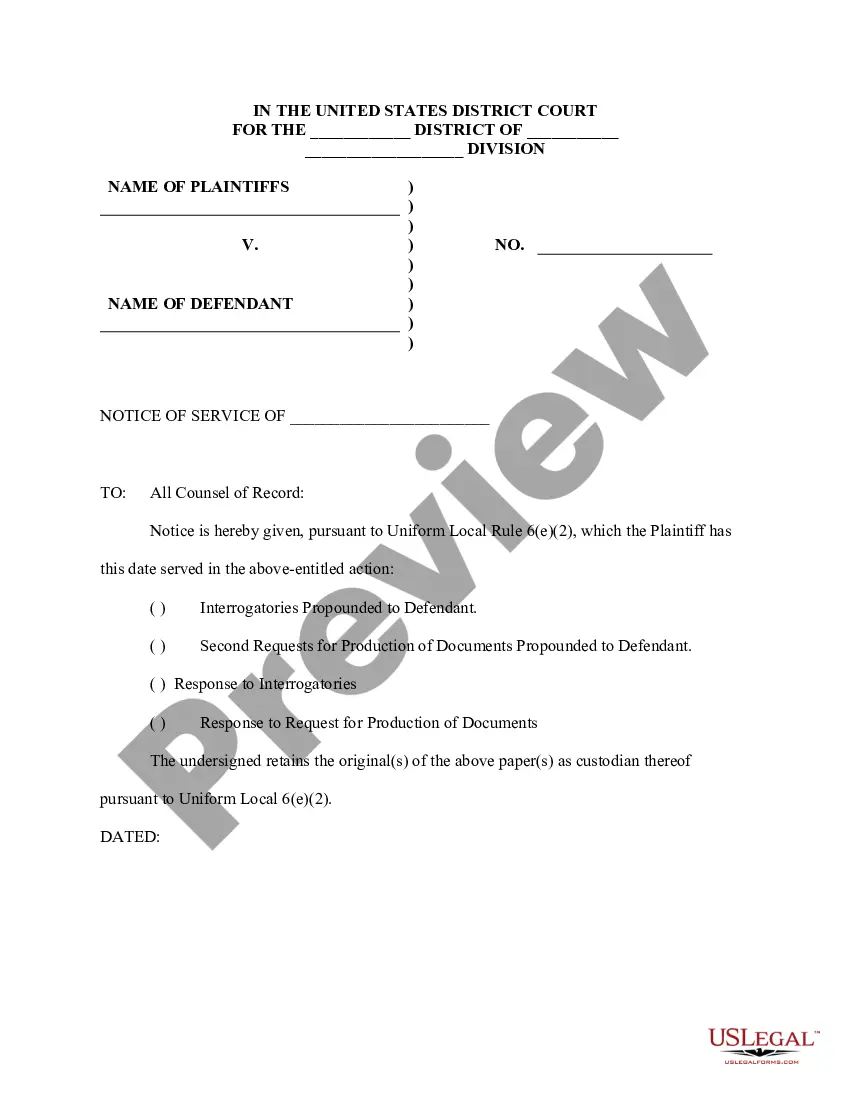
Notice Of Discovery And Demand For Brady Material In Minnesota
Description
Get your form ready online
Our built-in tools help you complete, sign, share, and store your documents in one place.
Make edits, fill in missing information, and update formatting in US Legal Forms—just like you would in MS Word.
Download a copy, print it, send it by email, or mail it via USPS—whatever works best for your next step.
Sign and collect signatures with our SignNow integration. Send to multiple recipients, set reminders, and more. Go Premium to unlock E-Sign.
If this form requires notarization, complete it online through a secure video call—no need to meet a notary in person or wait for an appointment.
We protect your documents and personal data by following strict security and privacy standards.

Make edits, fill in missing information, and update formatting in US Legal Forms—just like you would in MS Word.

Download a copy, print it, send it by email, or mail it via USPS—whatever works best for your next step.

Sign and collect signatures with our SignNow integration. Send to multiple recipients, set reminders, and more. Go Premium to unlock E-Sign.

If this form requires notarization, complete it online through a secure video call—no need to meet a notary in person or wait for an appointment.

We protect your documents and personal data by following strict security and privacy standards.
Looking for another form?
Form popularity
FAQ
Some common examples of evidence that a Brady motion could seek to include are surveillance video footage, physical evidence, statements from witnesses, and DNA evidence. Readers should note that the evidence must have a reasonable probability of showing the defendant didn't commit the crime.
There are three components to establishing a Brady violation. First, the prosecution must have suppressed evidence or information, meaning that something was not turned over to the defense. Second, the suppressed evidence or information must have been favorable, meaning that it would have been helpful for the defense.
A Brady motion is a defendant's request that the prosecution turn over any potentially “exculpatory” evidence or evidence that may be favorable to the accused in a California criminal case.
One of the tools that a knowledgeable criminal defense attorney will use to defend your rights is the pre-trial discovery process when the defense can file a “Demand for Discovery and Inspection” requesting that the prosecution share its evidence with the defense. This can include: Witness lists.
The Brady material has three components: “The evidence at issue must be favorable to the accused, either because it is exculpatory, or because it is impeaching; that evidence must have been suppressed by the State, either willfully or inadvertently; and prejudice must have ensued” concluded in the Strickler v.
Or conversely. You can think Tom Brady seems to be slowing down as he gets older. Examples ofMoreOr conversely. You can think Tom Brady seems to be slowing down as he gets older. Examples of medical terms that use Brady include brady cardia which is a slow heart rate and brady.
A Brady motion is a defendant's request that the prosecution in a California criminal case turns over any potentially “exculpatory” evidence or evidence that may be favorable to the accused.
The defendant bears the burden to prove that any withheld information was both material and favorable. A defendant meets this burden if they can show that there is a reasonable probability that the outcome of the trial would have been different had the information been disclosed.
The Brady material has three components: “The evidence at issue must be favorable to the accused, either because it is exculpatory, or because it is impeaching; that evidence must have been suppressed by the State, either willfully or inadvertently; and prejudice must have ensued” concluded in the Strickler v.
Brady material , or the evidence the prosecutor is required to disclose under this rule, includes any information favorable to the accused which may reduce a defendant's potential sentence, go against the credibility of an unfavorable witness , or otherwise allow a jury to infer against the defendant's guilt.