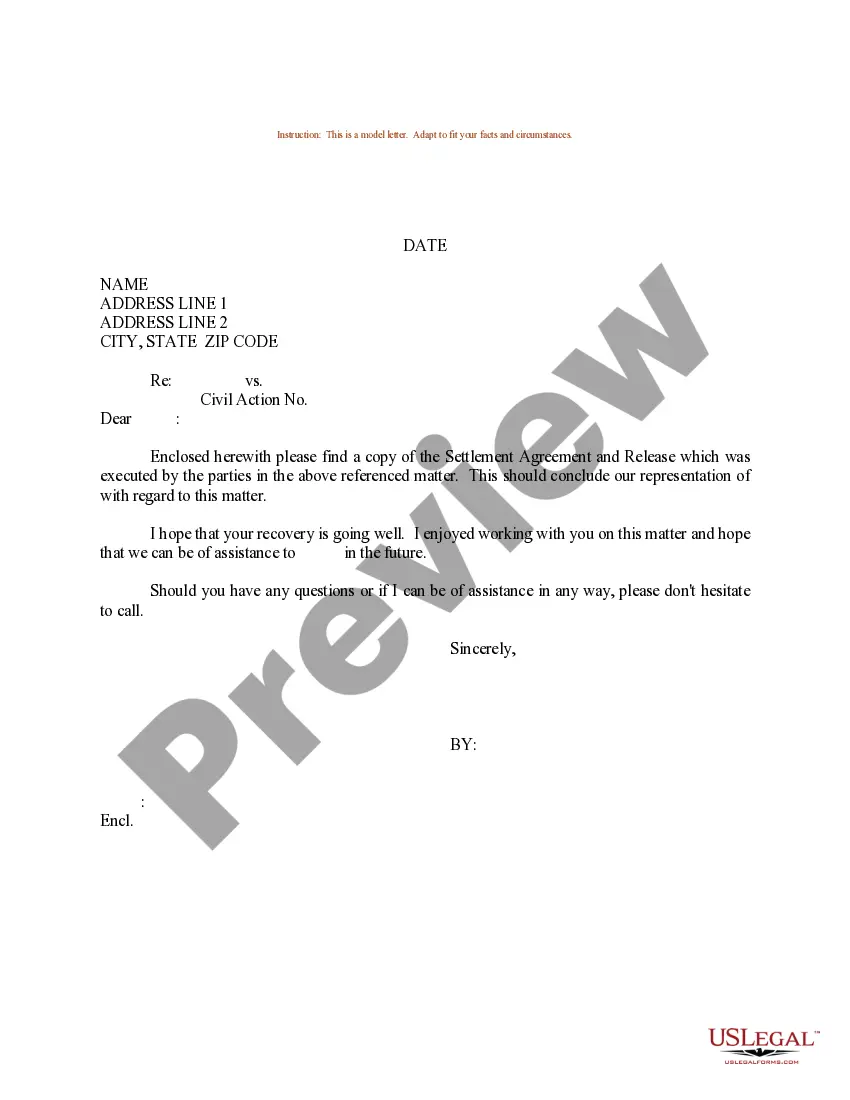
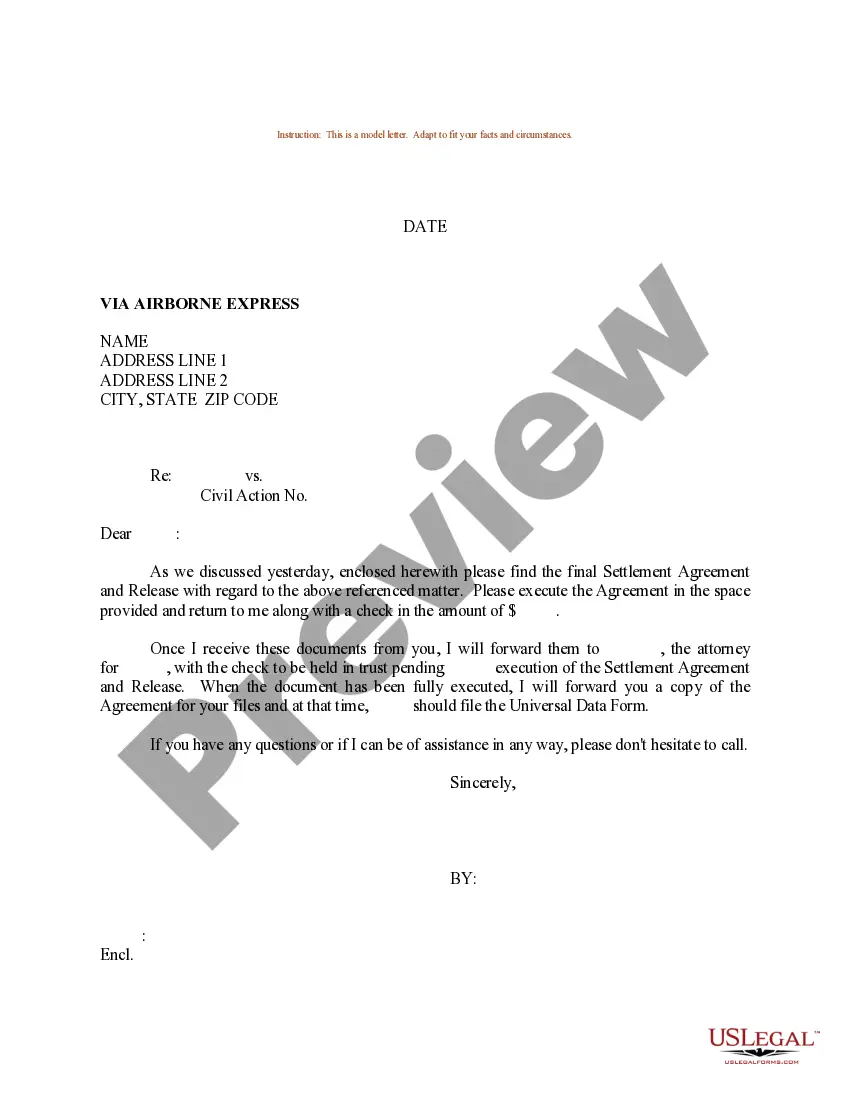
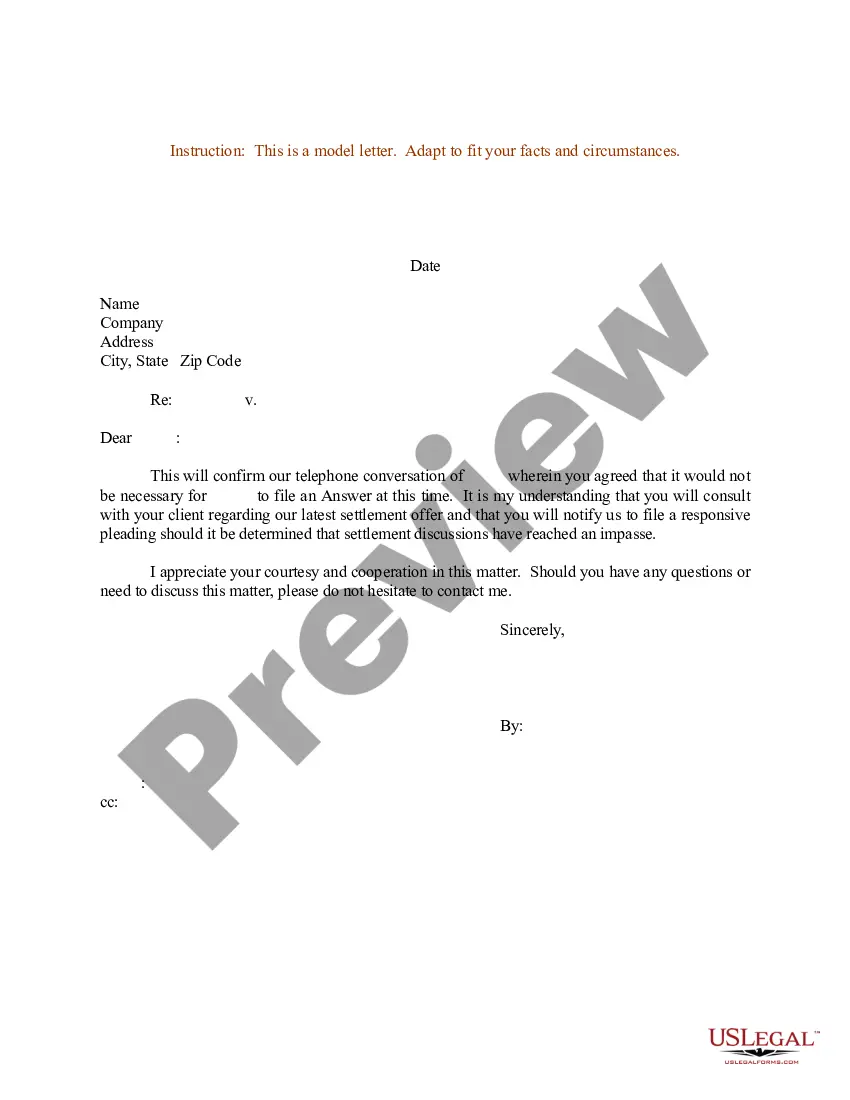
Sample Letter For Payment Settlement In Sacramento
Description

Get your form ready online
Our built-in tools help you complete, sign, share, and store your documents in one place.
Make edits, fill in missing information, and update formatting in US Legal Forms—just like you would in MS Word.
Download a copy, print it, send it by email, or mail it via USPS—whatever works best for your next step.
Sign and collect signatures with our SignNow integration. Send to multiple recipients, set reminders, and more. Go Premium to unlock E-Sign.
If this form requires notarization, complete it online through a secure video call—no need to meet a notary in person or wait for an appointment.
We protect your documents and personal data by following strict security and privacy standards.

Make edits, fill in missing information, and update formatting in US Legal Forms—just like you would in MS Word.

Download a copy, print it, send it by email, or mail it via USPS—whatever works best for your next step.

Sign and collect signatures with our SignNow integration. Send to multiple recipients, set reminders, and more. Go Premium to unlock E-Sign.

If this form requires notarization, complete it online through a secure video call—no need to meet a notary in person or wait for an appointment.

We protect your documents and personal data by following strict security and privacy standards.
Looking for another form?








Form popularity
FAQ
Fill out the Summons (form SUM-100) and a Complaint. Also, fill out a Civil Case Cover Sheet (form CM-010). Since you are the one filing a lawsuit, you're called the plaintiff. The person or company you're suing is the defendant.
Filing Location Civil Unit. 720 9th Street, Room 102, (1st Floor) ... Presiding Judge. 720 9th Street, 6th Floor. Law and Motion, Departments 53 and 54. 813 6th Street, 2nd Floor. Settlement Conference Service Center, Department 59. 813 6th Street, 1st Floor. Trial Departments. Various Locations.
Frequently Asked Questions (FAQ) Type your letter. Concisely review the main facts. Be polite. Write with your goal in mind. Ask for exactly what you want. Set a deadline. End the letter by stating you will promptly pursue legal remedies if the other party does not meet your demand. Make and keep copies.
Filing Your Claim You may file your Small Claims case by filling out either a SC-100 (Plaintiff's Claim), SC-120 (Defendant's Claim), or SC-500 (Plaintiff's Claim for Covid-19 Rental Debt). The forms are located on the California Judicial Council website at urts.ca/forms.htm?
Treat the following as a set of general guidelines: Gather complete information before you start writing. Describe your injuries and medical treatment. List your medical expenses, lost wages, and non-economic damages. Make a settlement demand. Include a deadline for legal action if you want to, but don't bluff.
A letter of intent is a document outlining the intentions of two or more parties to do business together; it is often non-binding unless the language in the document specifies that the companies are legally bound to the terms.
Despite its preliminary nature, under certain circumstances, an LOI can be binding. If the document includes all the elements of a contract—offer, acceptance, and consideration—it might legally hold the parties to its terms.
A letter of intent to sue is used to notify an individual or business that legal action may be taken against them if the demands included in the letter are not met. By sending an intent to sue letter, you may be able to resolve the dispute without having to initiate a costly lawsuit.