Termination With Severance Letter In Suffolk
Description





Form popularity
FAQ
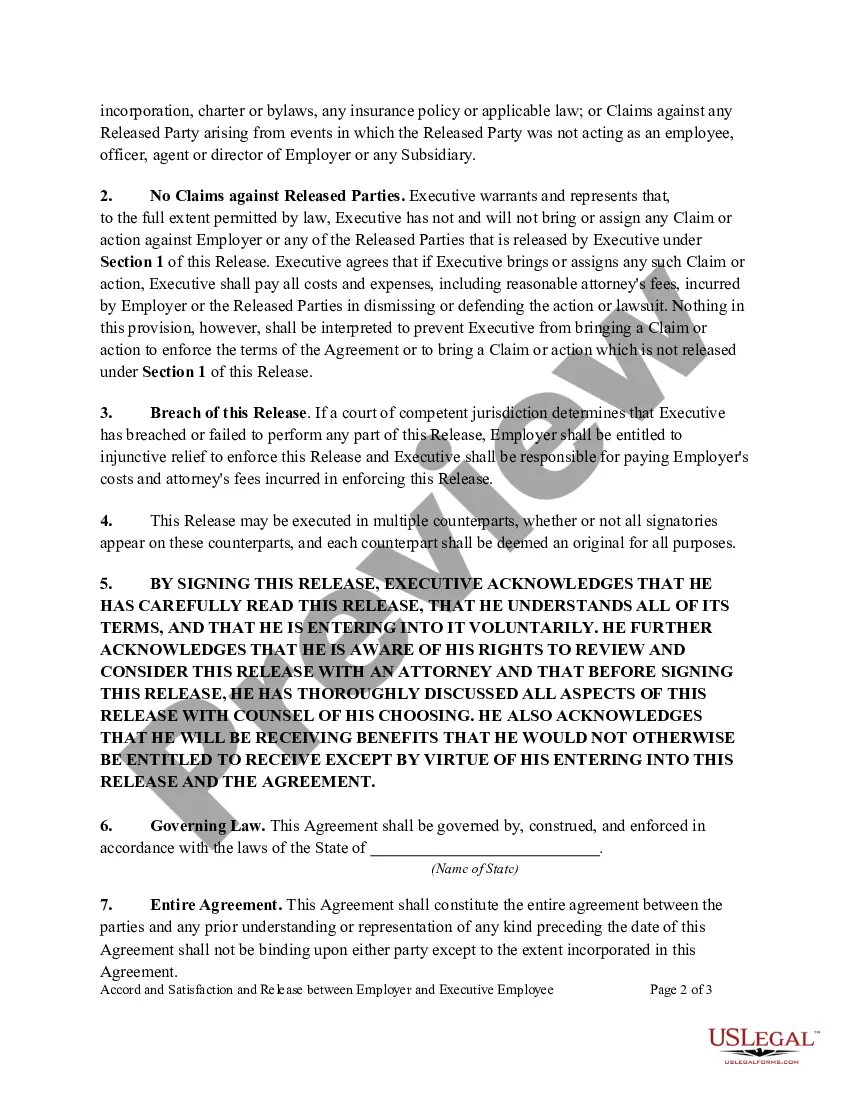
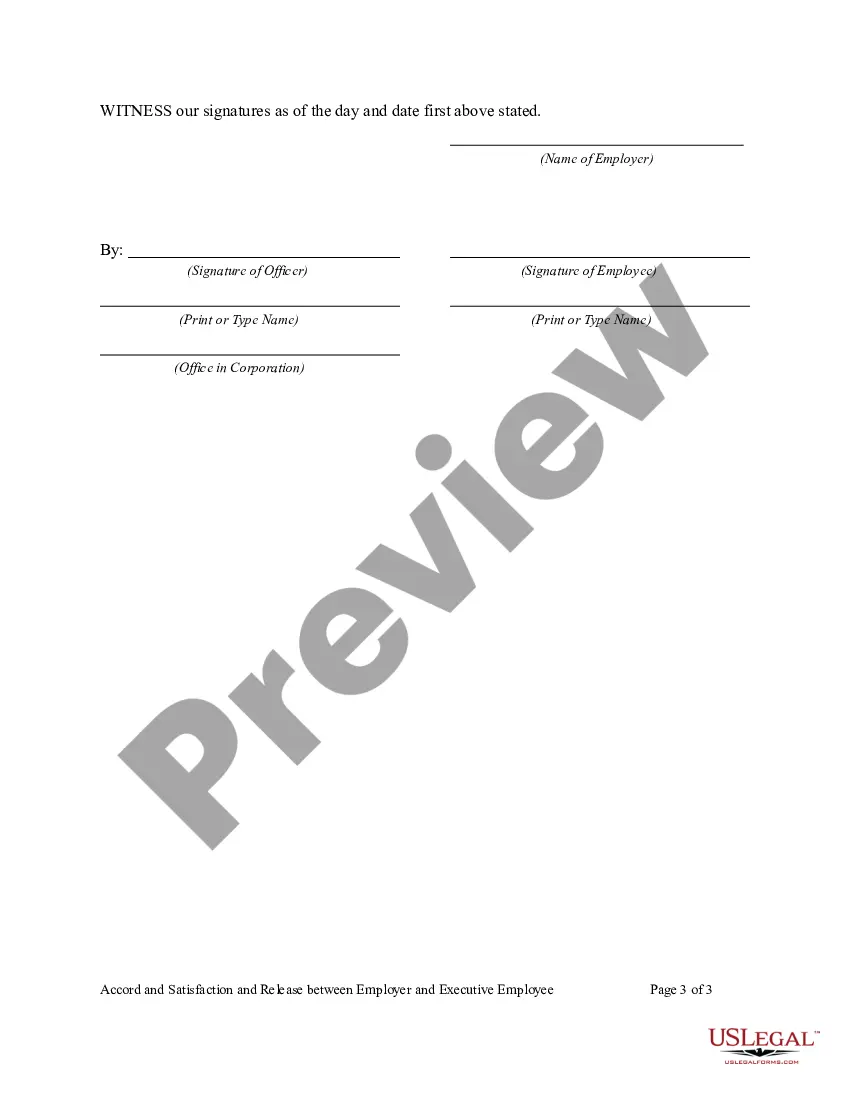
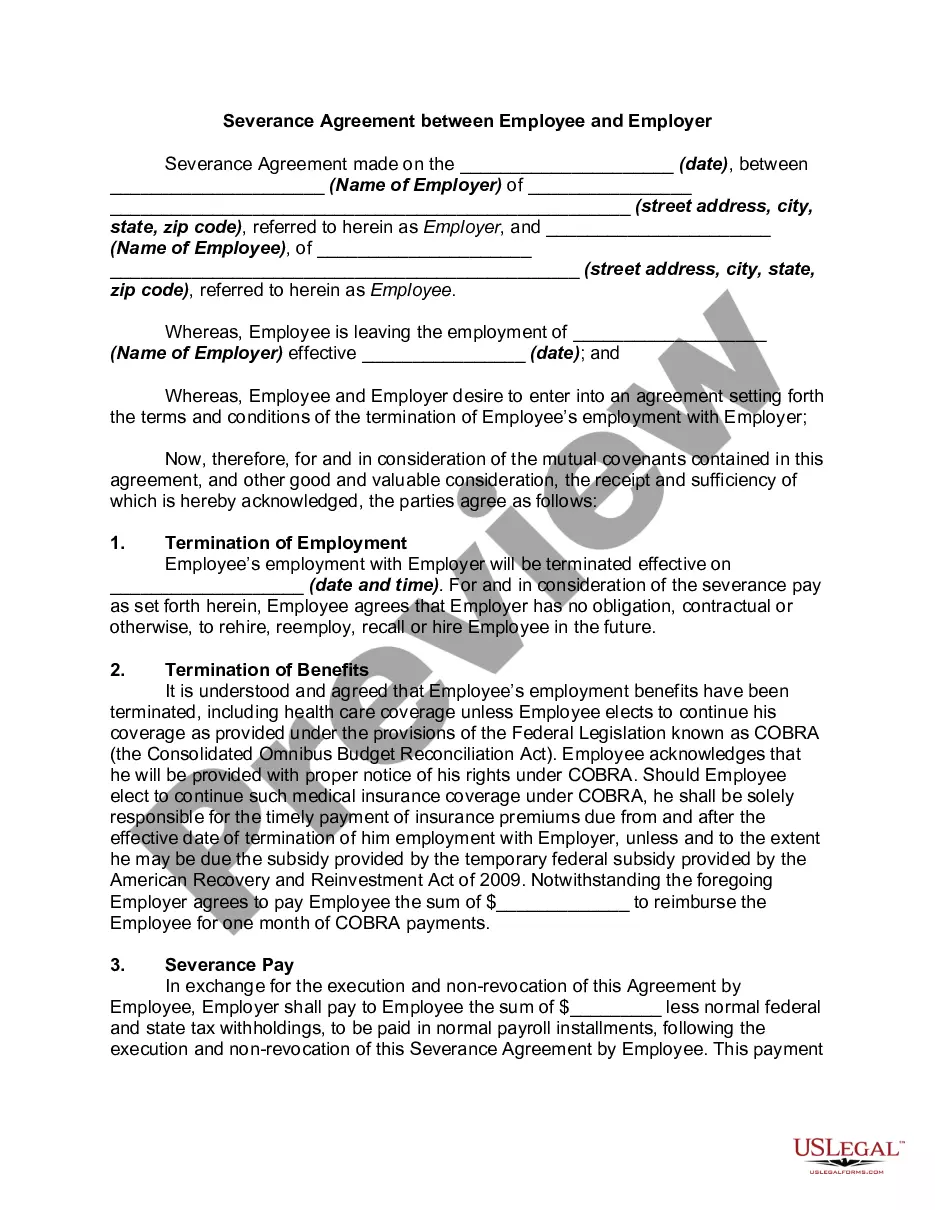
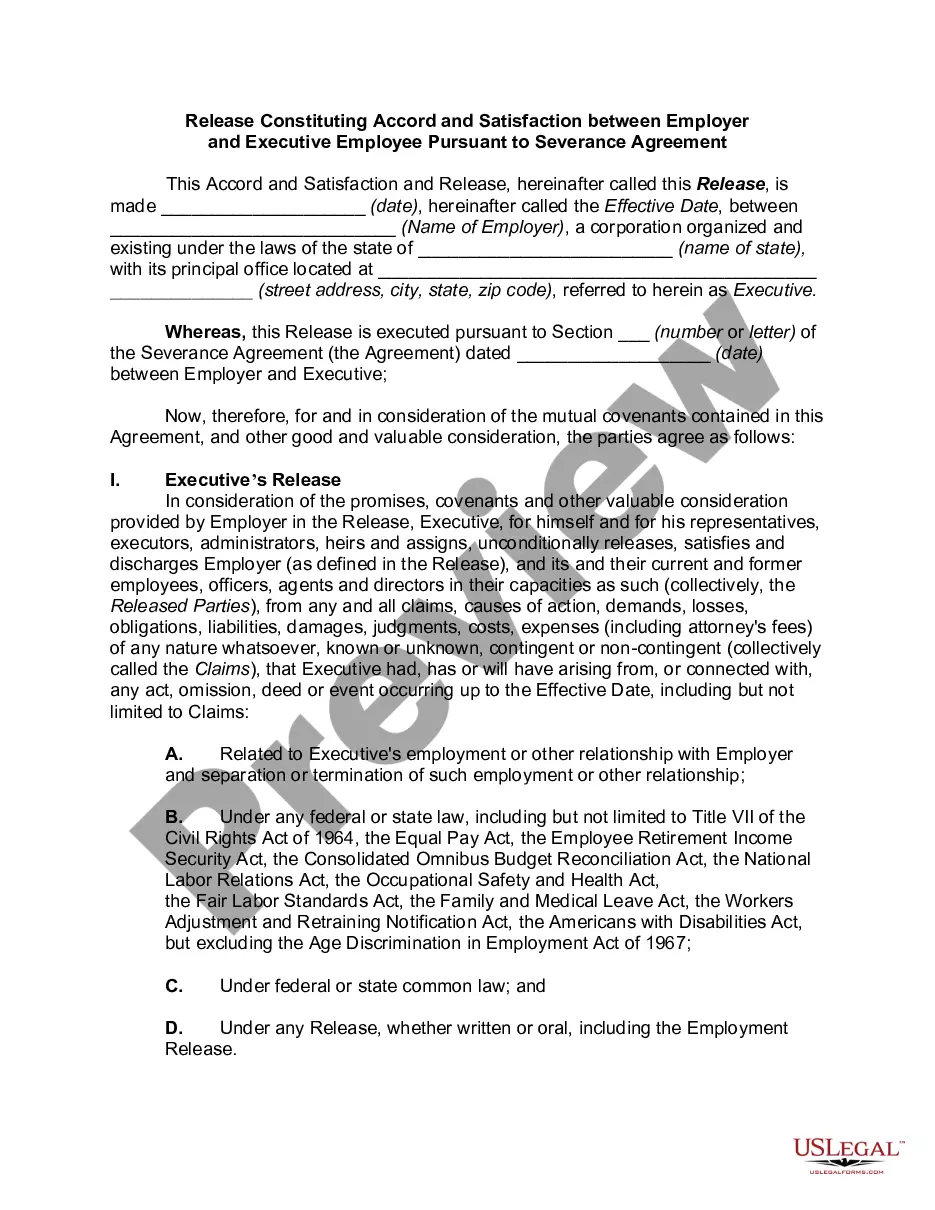
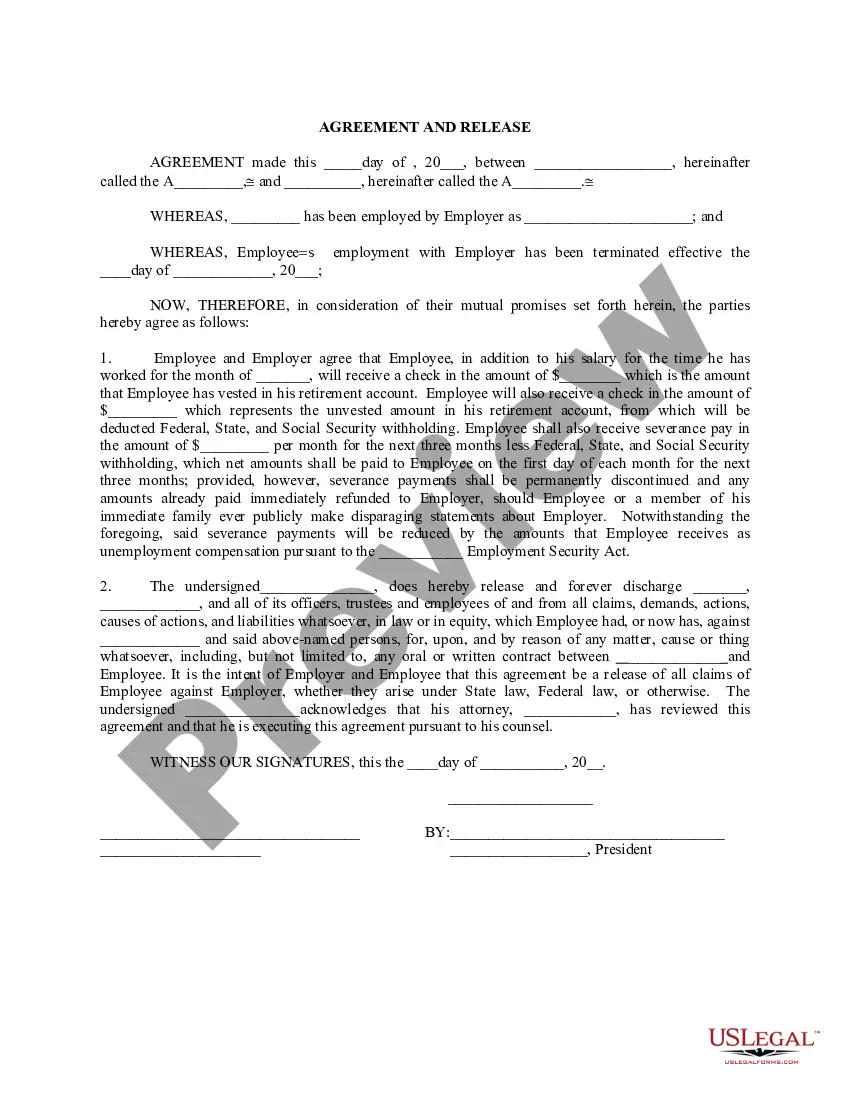
Severance agreements are legal documents that detail the rights and responsibilities of employers and employees during the termination process. Severance agreements can help prevent lawsuits and end employment amicably.
Dear Employee Name, I feel sorry to inform you that your employment with Company Name will be terminated, effective Termination Date. The reason for your termination is Reason for Termination, which was discussed with you on Date of Discussion during our meeting.
11 Things You Should Never Say When Firing an Employee “This is really hard for me.” ... “I'm not sure how to say this.” ... “We've decided to let you go.” ... “We've decided to go in a different direction.” ... “We'll work out the details later.” ... “Compared to Susan, your performance is subpar.”
Your severance agreement should be offered to the employee during the notification meeting by your HR manager, who will review the details of the document with the employee. This can be a tricky conversation to have, which is why we suggest you have a layoff letter prepared.
Under Section 1089 of the California Unemployment Insurance Code, employers must immediately notify an employee of any change in their employment relationship, such as termination. This written notice, or termination letter, must be given immediately to employees upon layoff, discharge, or termination.
What is the downside to severance? The downside to severance includes financial drawbacks such as loss of steady income, potential loss of benefits, and uncertainty about future job prospects, as well as the impact on retirement savings and benefits.
Generally speaking, employees who are fired are not offered a severance package—particularly when they are fired for misconduct. However, some fired employees are offered a severance package in the hope that they will “go away” after receiving the package.