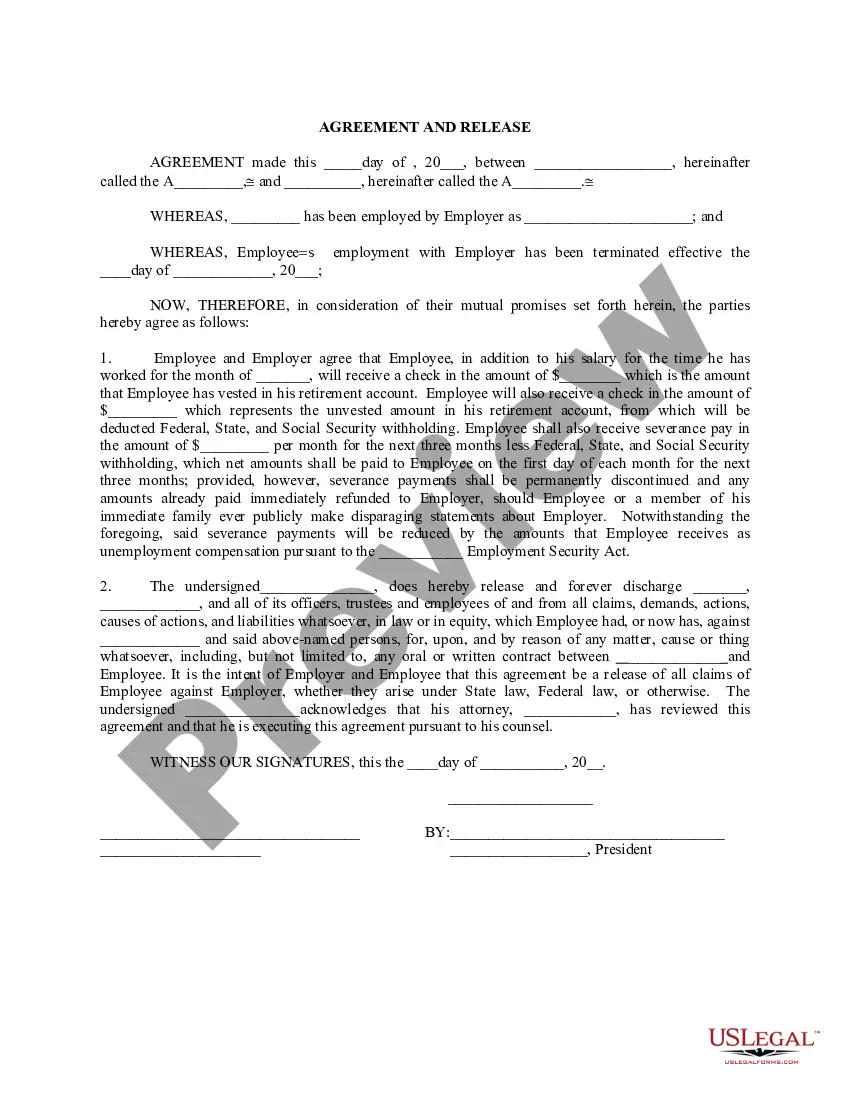
Termination With Severance Letter In Santa Clara
Description

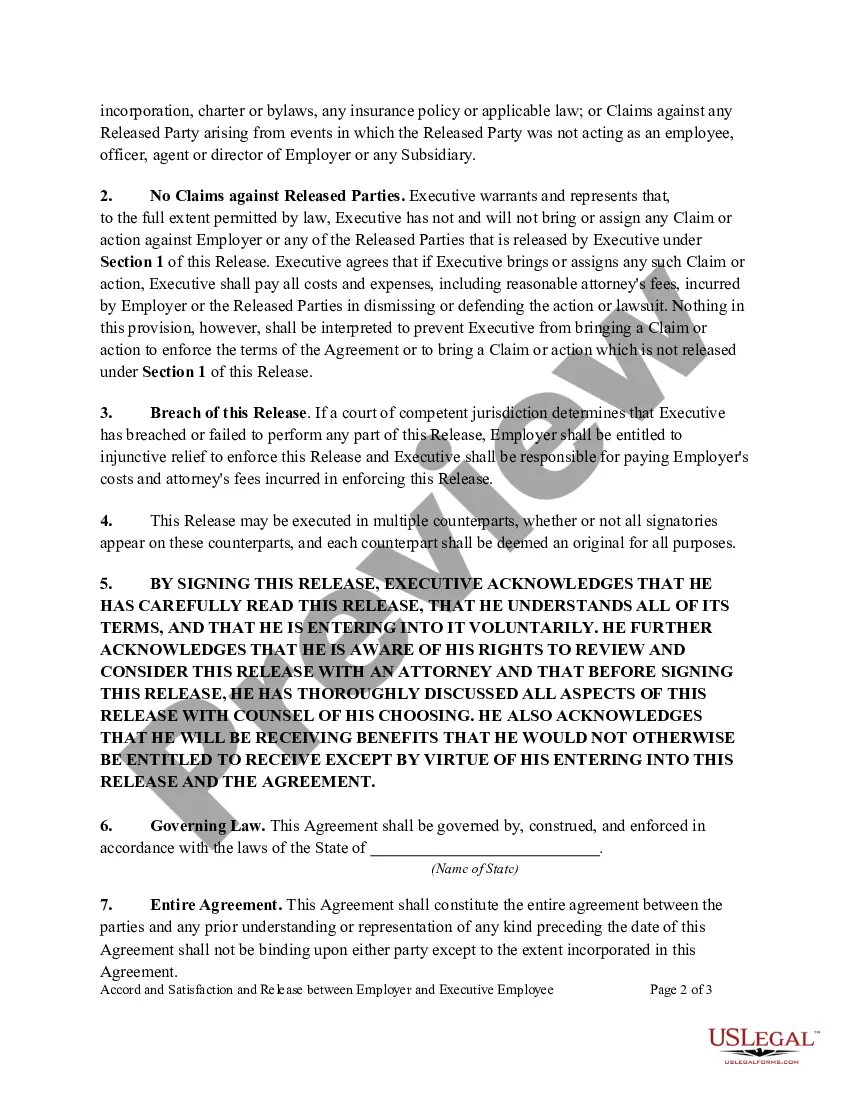
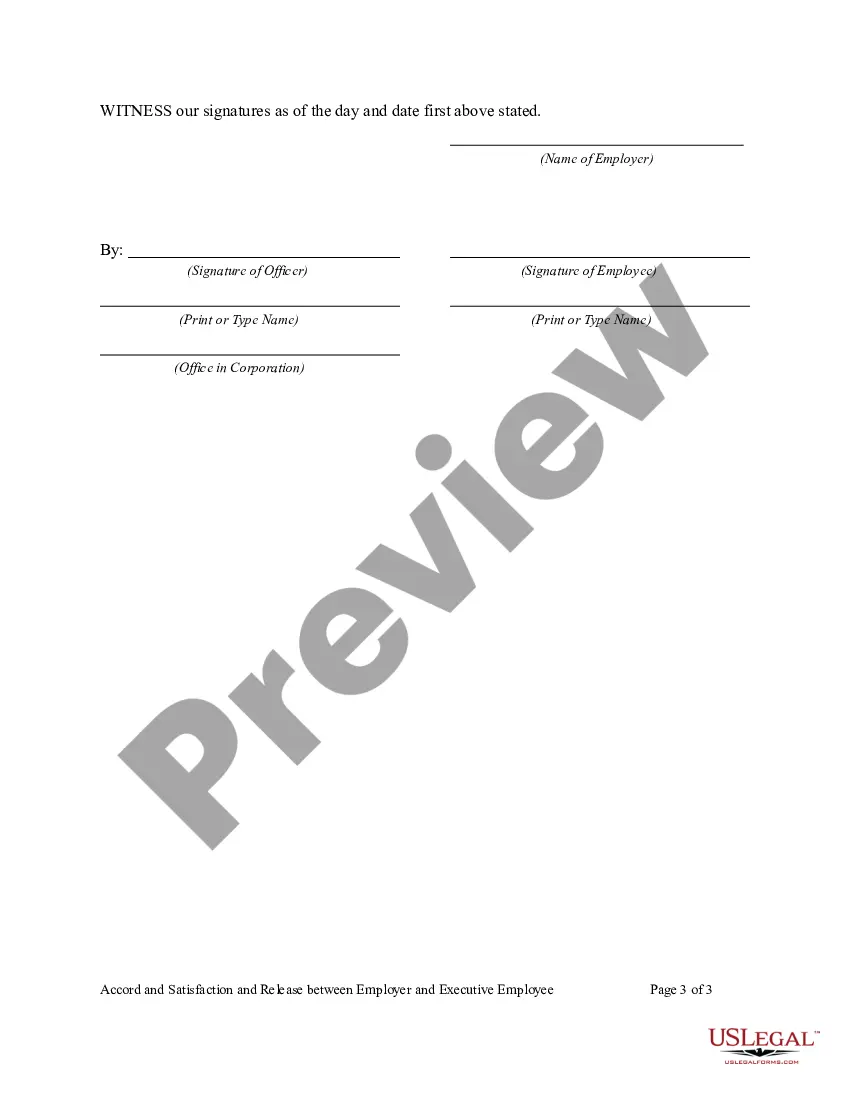
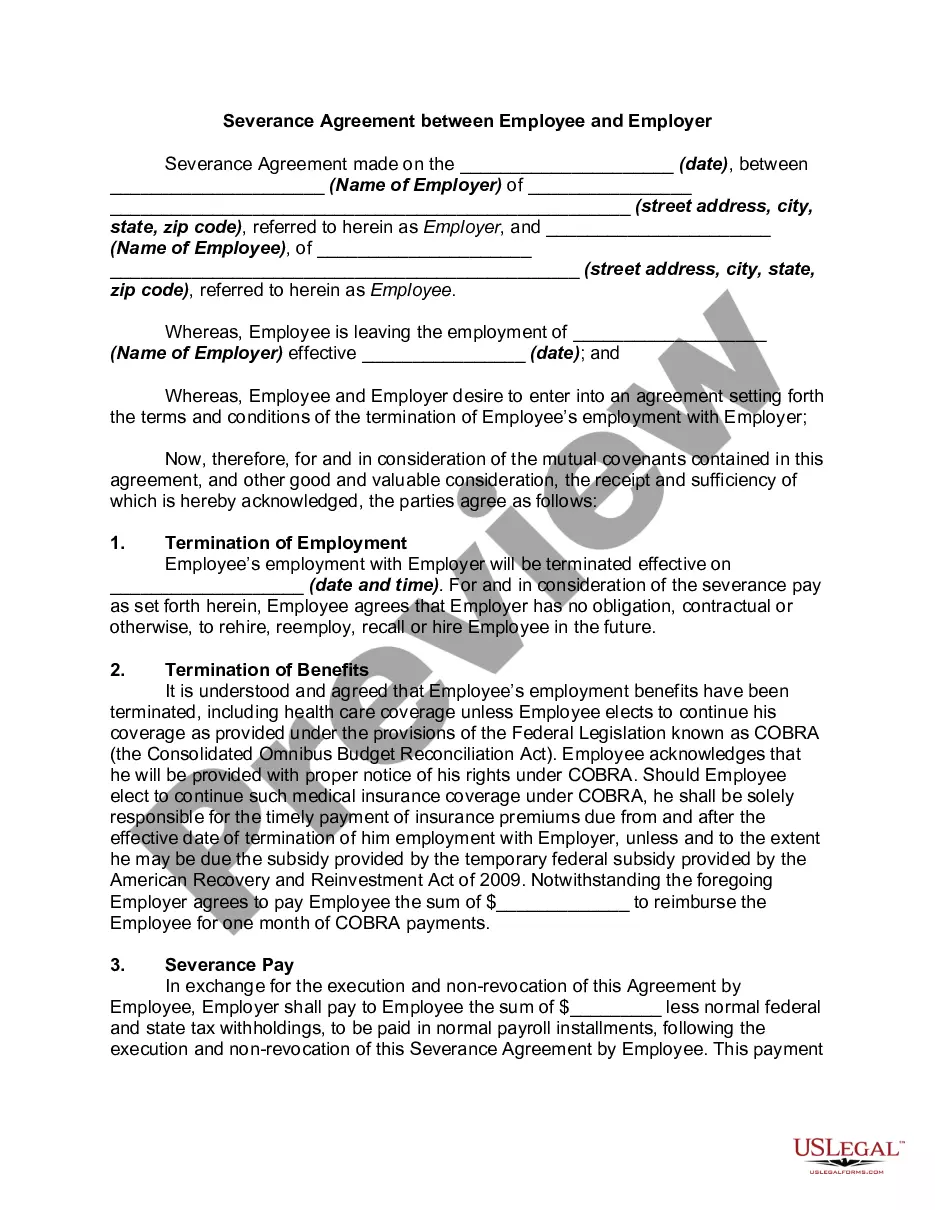
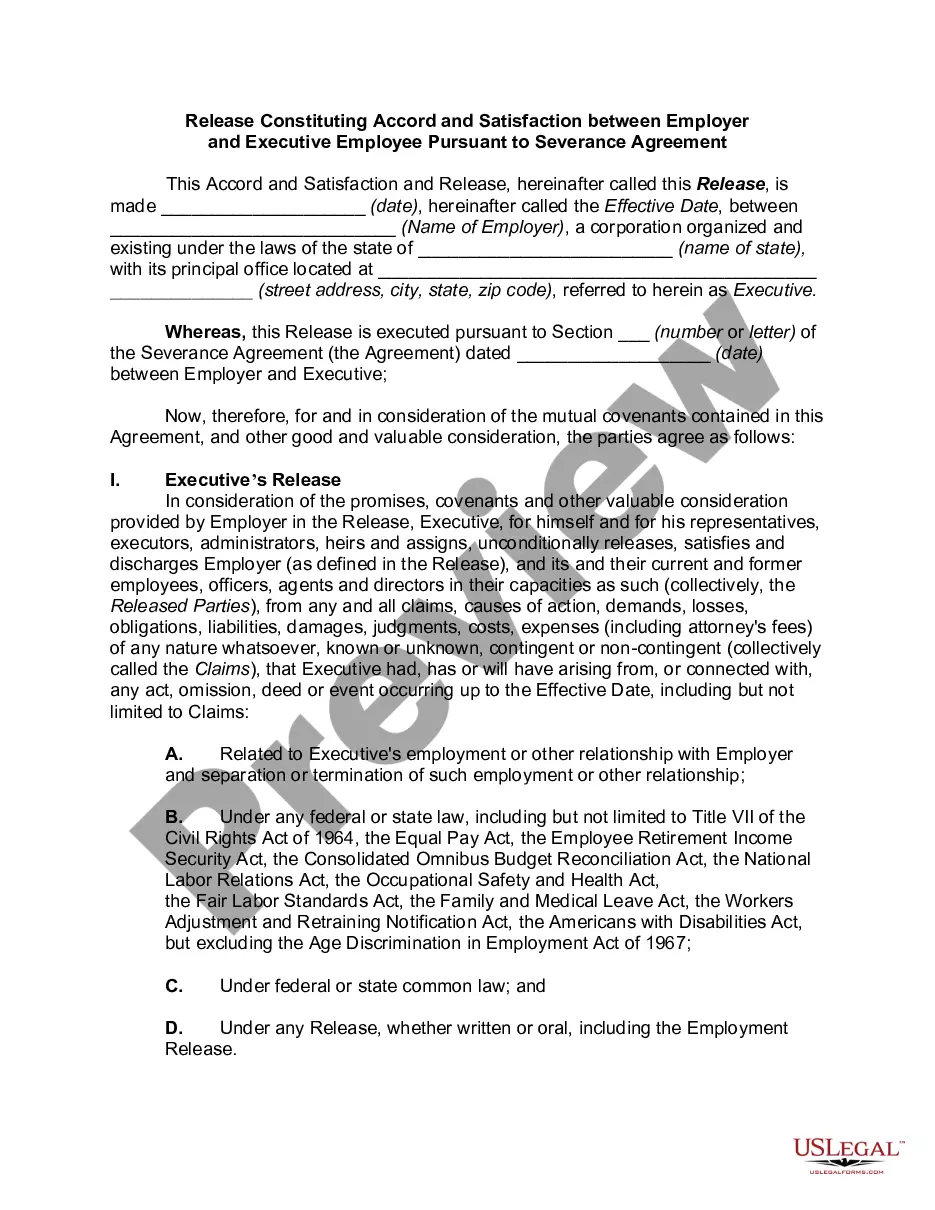
Get your form ready online
Our built-in tools help you complete, sign, share, and store your documents in one place.
Make edits, fill in missing information, and update formatting in US Legal Forms—just like you would in MS Word.
Download a copy, print it, send it by email, or mail it via USPS—whatever works best for your next step.
Sign and collect signatures with our SignNow integration. Send to multiple recipients, set reminders, and more. Go Premium to unlock E-Sign.
If this form requires notarization, complete it online through a secure video call—no need to meet a notary in person or wait for an appointment.
We protect your documents and personal data by following strict security and privacy standards.

Make edits, fill in missing information, and update formatting in US Legal Forms—just like you would in MS Word.

Download a copy, print it, send it by email, or mail it via USPS—whatever works best for your next step.

Sign and collect signatures with our SignNow integration. Send to multiple recipients, set reminders, and more. Go Premium to unlock E-Sign.

If this form requires notarization, complete it online through a secure video call—no need to meet a notary in person or wait for an appointment.

We protect your documents and personal data by following strict security and privacy standards.
Looking for another form?





Form popularity
FAQ
Employers often consult with HR professionals or legal counsel when drafting termination letters to ensure they contain all necessary components and avoid potential legal issues.
How to write a voluntary termination letter Review your employer's resignation protocol. Format the document. Include your contact details. Include the date. Include an inside address. Address the letter to your supervisor. Clearly state your intention. Provide a reason for your leaving and express gratitude.
The best approach is to reach out politely and directly to your previous supervisor, the HR department, or the person who communicated your termination. In a brief email or letter, simply explain that you need an official termination letter for your records, specifying the date of termination and the stated reason.
You usually have 5 business days. However, people 40 and older must be given at least 21 days to consider the agreement or 45 days in group layoffs.
Generally, termination letters should include: Date of the letter. Employee and company name. Name of the manager or executive handling the dismissal. Reason for termination. Date when employment ends. Previous verbal or written warnings (when dismissing for cause) List of company property to be returned.
Companies should avoid including harsh language, jokes, emotional statements or too much detail in the termination letter. The tone should be respectful and direct. "Stick to the facts," Dresnin said.
When terminating an employee in California, you need to be aware of the legal requirements outlined in Section 1089 of the California Unemployment Insurance Code. This section mandates that employers provide written notice to employees who are being laid off, discharged, or given a leave of absence.
What is a voluntary termination letter? A voluntary termination letter, also commonly known as a resignation letter , is a document that an employee writes to express their intent to end their employment. By definition, a voluntary termination is an unsolicited decision made by the employee.
Neither the California Labor Code nor the federal Fair Labor Standards Act require employers to offer severance agreements to departing employees. Instead, severance agreements are provided by employers to accomplish a specific goal.