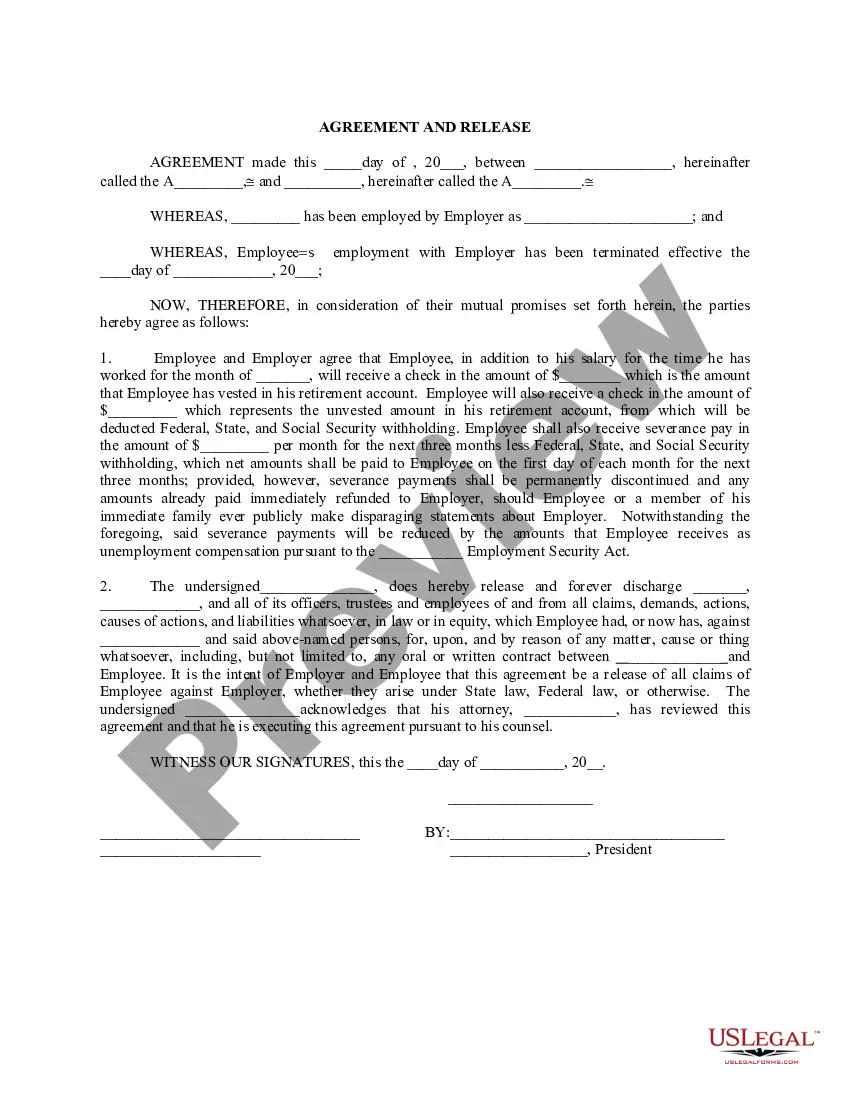
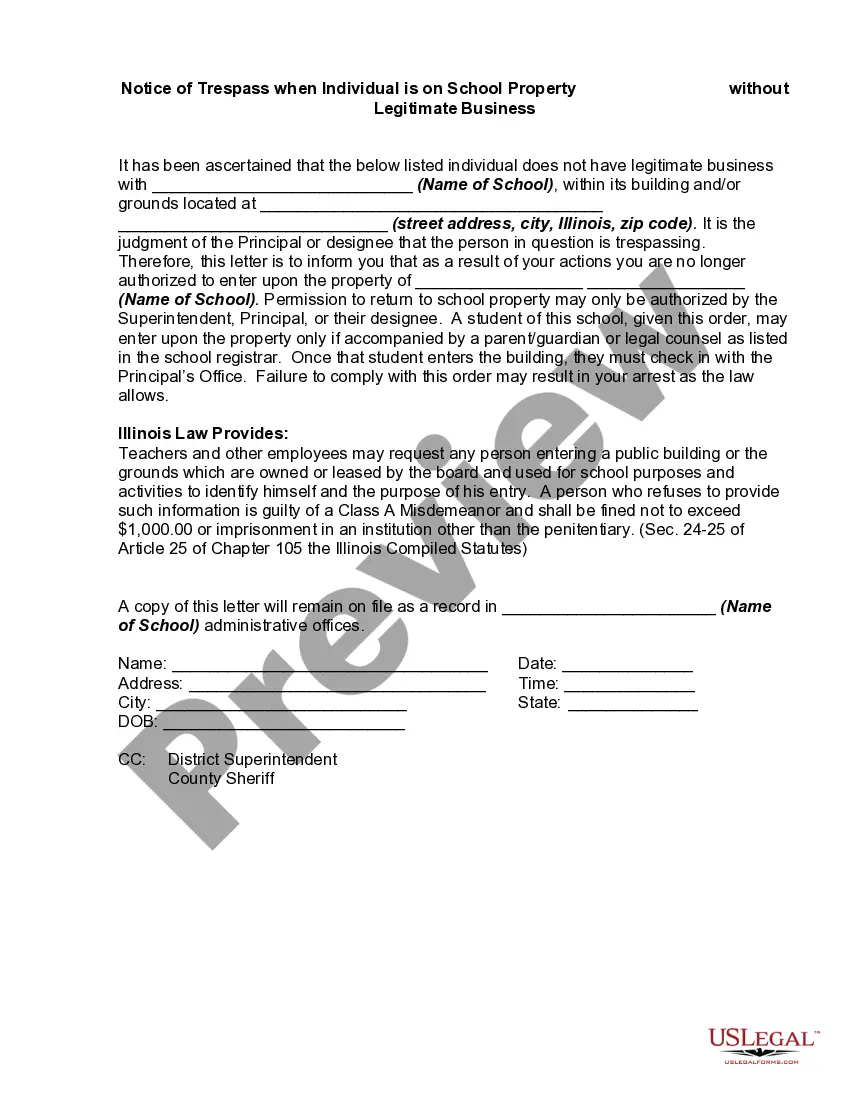
Severance Agreement Form Without Severance In Salt Lake
Description

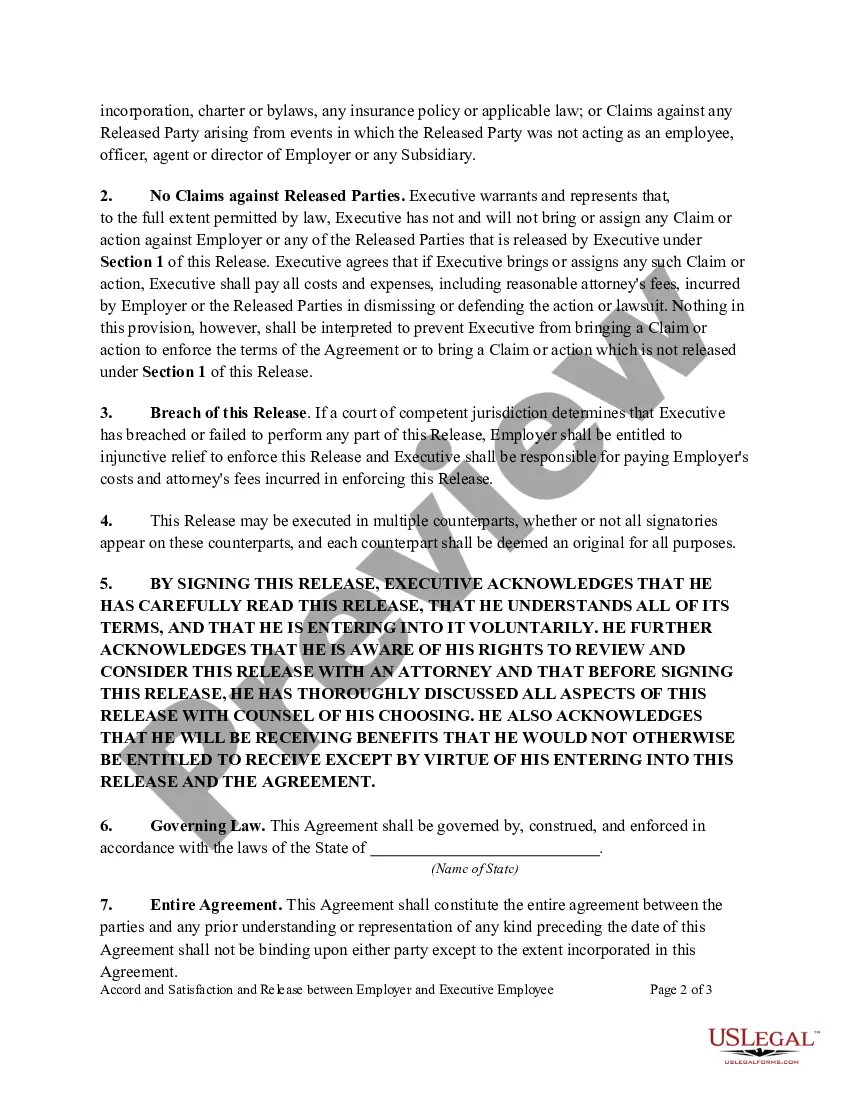
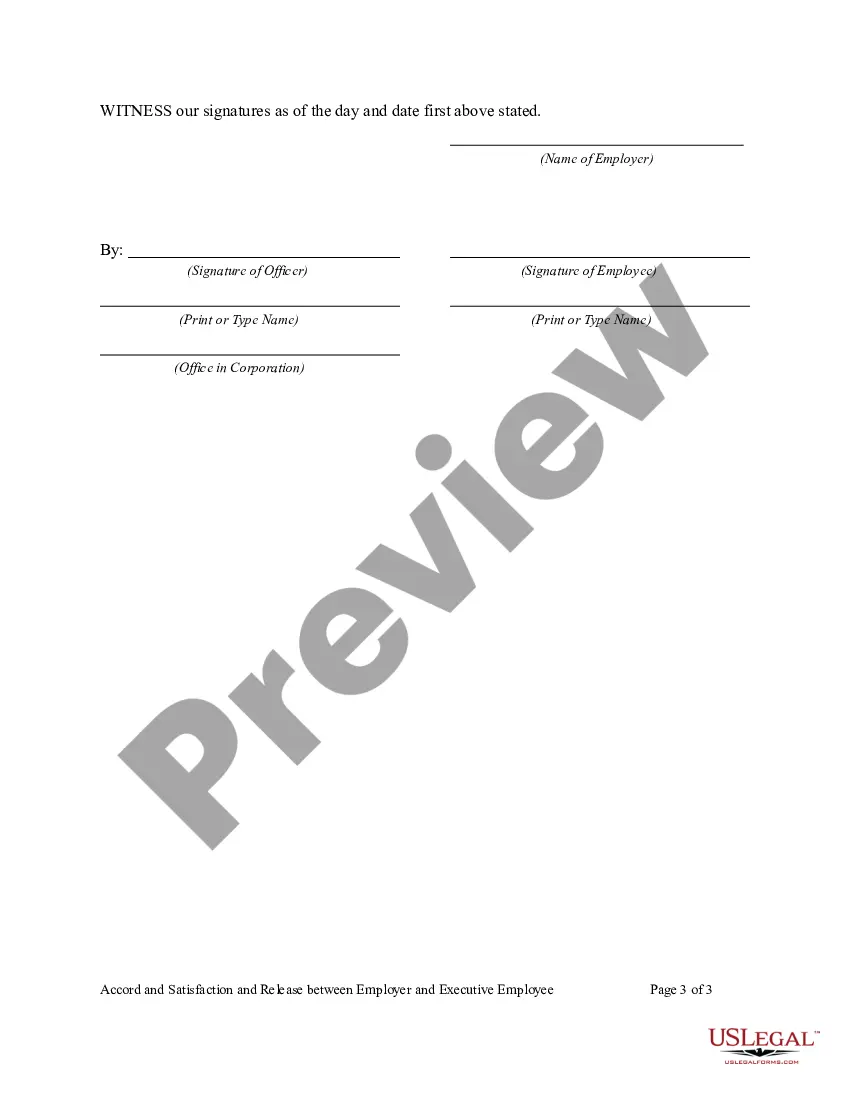
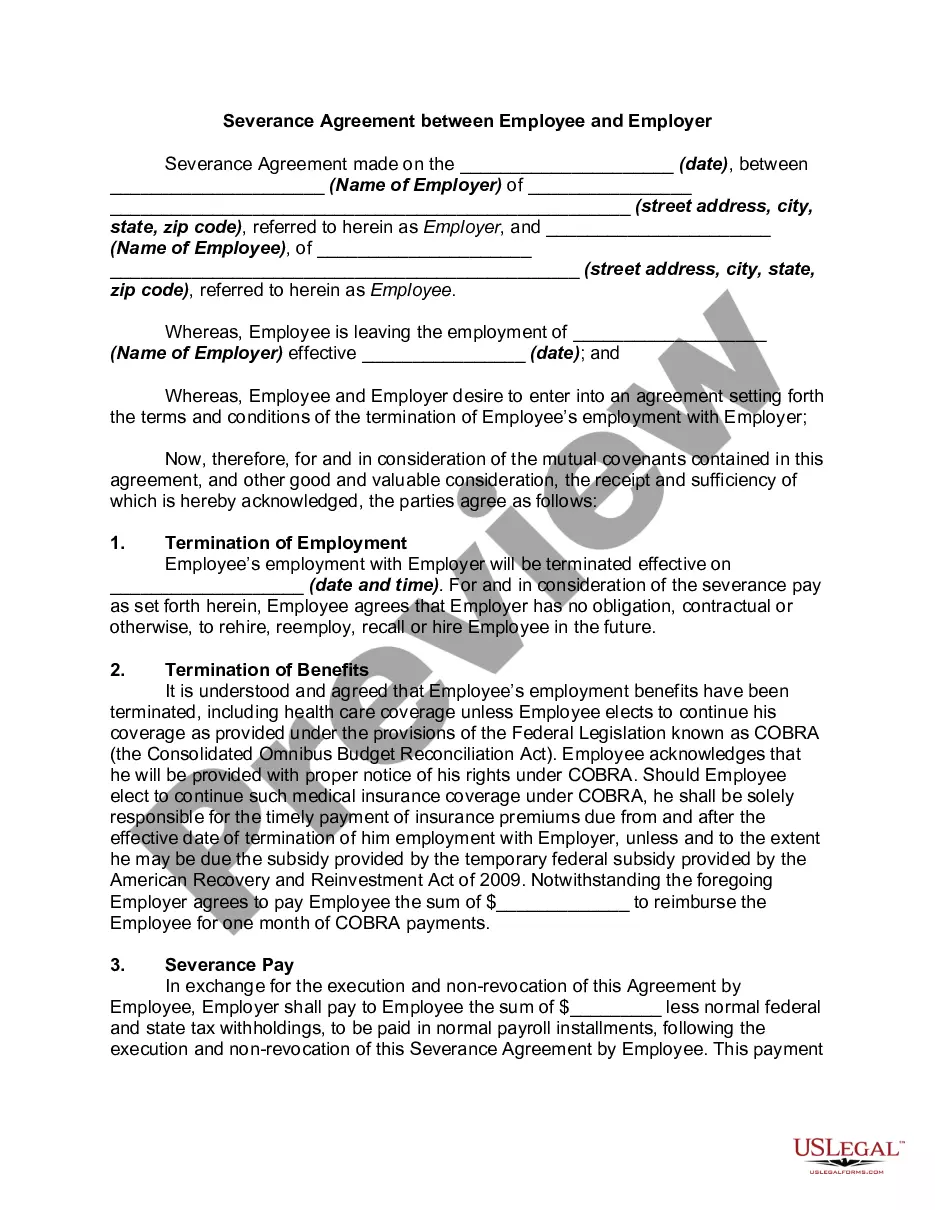
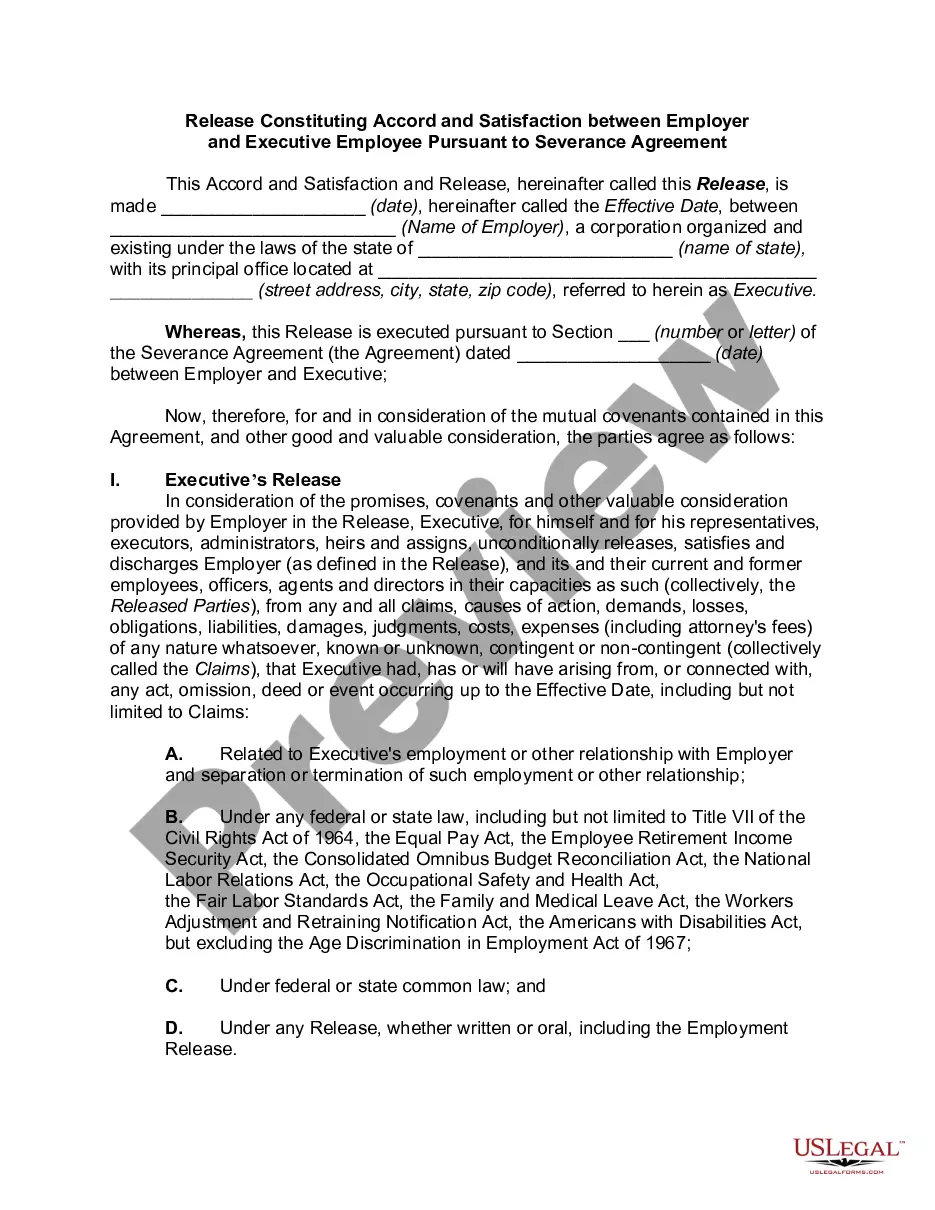
Get your form ready online
Our built-in tools help you complete, sign, share, and store your documents in one place.
Make edits, fill in missing information, and update formatting in US Legal Forms—just like you would in MS Word.
Download a copy, print it, send it by email, or mail it via USPS—whatever works best for your next step.
Sign and collect signatures with our SignNow integration. Send to multiple recipients, set reminders, and more. Go Premium to unlock E-Sign.
If this form requires notarization, complete it online through a secure video call—no need to meet a notary in person or wait for an appointment.
We protect your documents and personal data by following strict security and privacy standards.

Make edits, fill in missing information, and update formatting in US Legal Forms—just like you would in MS Word.

Download a copy, print it, send it by email, or mail it via USPS—whatever works best for your next step.

Sign and collect signatures with our SignNow integration. Send to multiple recipients, set reminders, and more. Go Premium to unlock E-Sign.

If this form requires notarization, complete it online through a secure video call—no need to meet a notary in person or wait for an appointment.

We protect your documents and personal data by following strict security and privacy standards.
Looking for another form?









Form popularity
FAQ
First you can simply ask. The offer of severance is not a legal obligation. It is an attempt by the employer to assure that you will never make any claims against it. Some times simply asking for more can trigger a discussion, but do not count on it. Especially in a RIF where many people are involved.
Yes, you can negotiate a severance package. Make sure you review the package offered by your employer. Be realistic when you try to negotiate if you feel you can. If you are unsure about how and where to start, consult a legal representative to review your separation agreement.
Ing to the Utah Employment Security Act, ALL severance and accrued vacation payments are attributable to the period of time following the last day worked. Unemployment benefits are denied for that period of time.
If you find the initial offer insufficient, be prepared to propose a counteroffer. Clearly explain the changes you are seeking and provide a well-reasoned explanation for each modification. Be open to compromise while standing firm on key elements that are important to you.
Some examples of issues that may affect eligibility for UI benefits include: Reason for job separation. Ability and availability to work full-time. Actively seeking full-time work.
What is the formula used to determine my weekly benefit amount? Divide the highest quarter of your base period by 26 and subtract $5.00 to determine the amount of unemployment benefits you will receive each week, up to $777 for new claims effective on or after January 1, 2025.
Ing to the Utah Employment Security Act, ALL severance and accrued vacation payments are attributable to the period of time following the last day worked. Unemployment benefits are denied for that period of time.
In Utah, there are no state laws that mandate employers to provide meal or rest breaks to their employees. However, employers have the discretion to include breaks in their employee benefits package and company policy. If an employer does provide break laws, they must establish clear guidelines for employees to follow.
Utah operates under the “at-will” employment doctrine. This means employers in Utah have the flexibility to terminate employees for any reason—or no reason at all—without needing to provide advance notice.
Utah WARN Act Requirements 60-Day Notice: Employers must provide a 60-day advance notice to employees before mass layoffs or plant closures. Notification to State Agencies: Employers are required to notify the Utah Department of Workforce Services about the planned layoffs.