Termination Without Severance In Philadelphia
Description

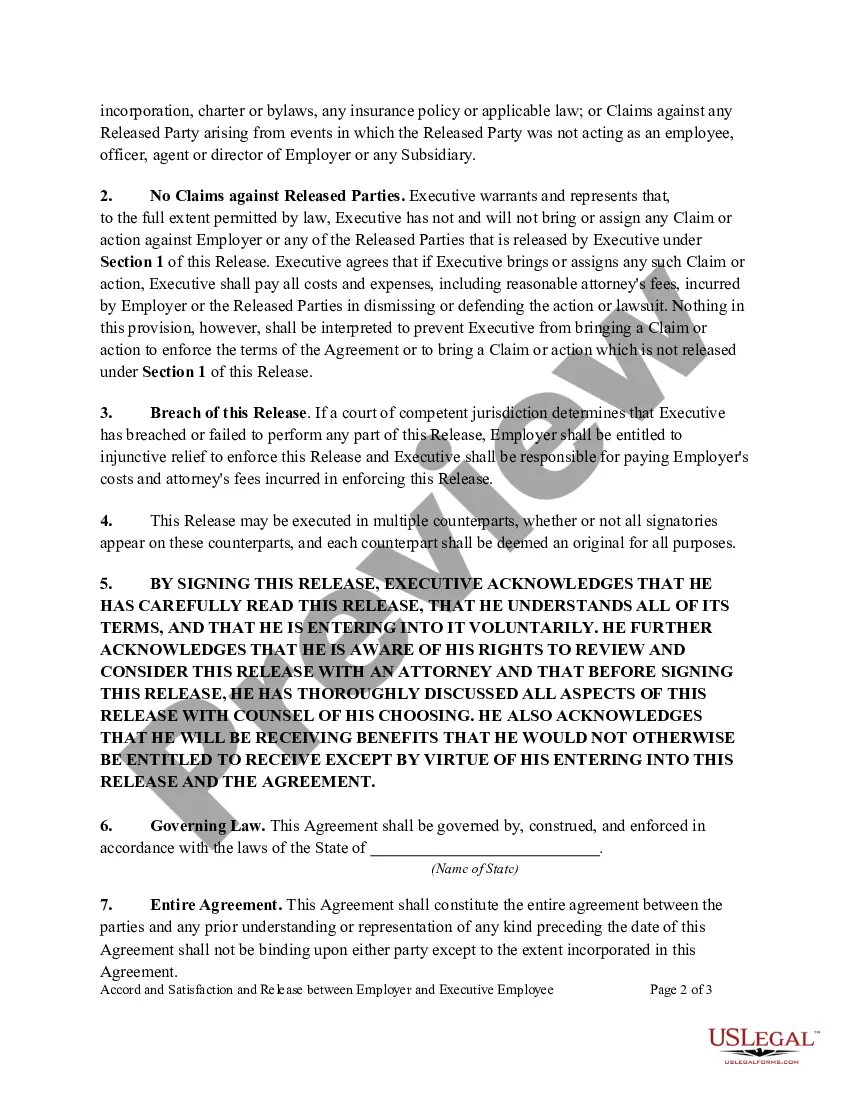
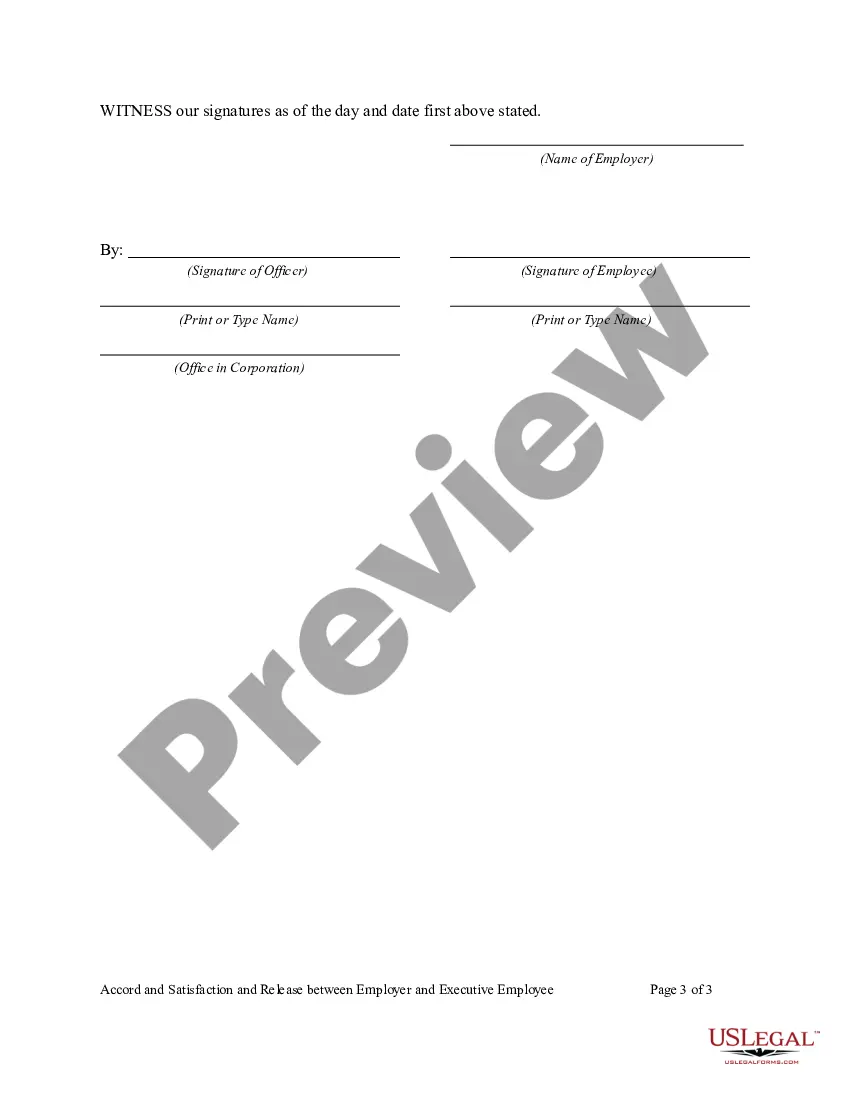
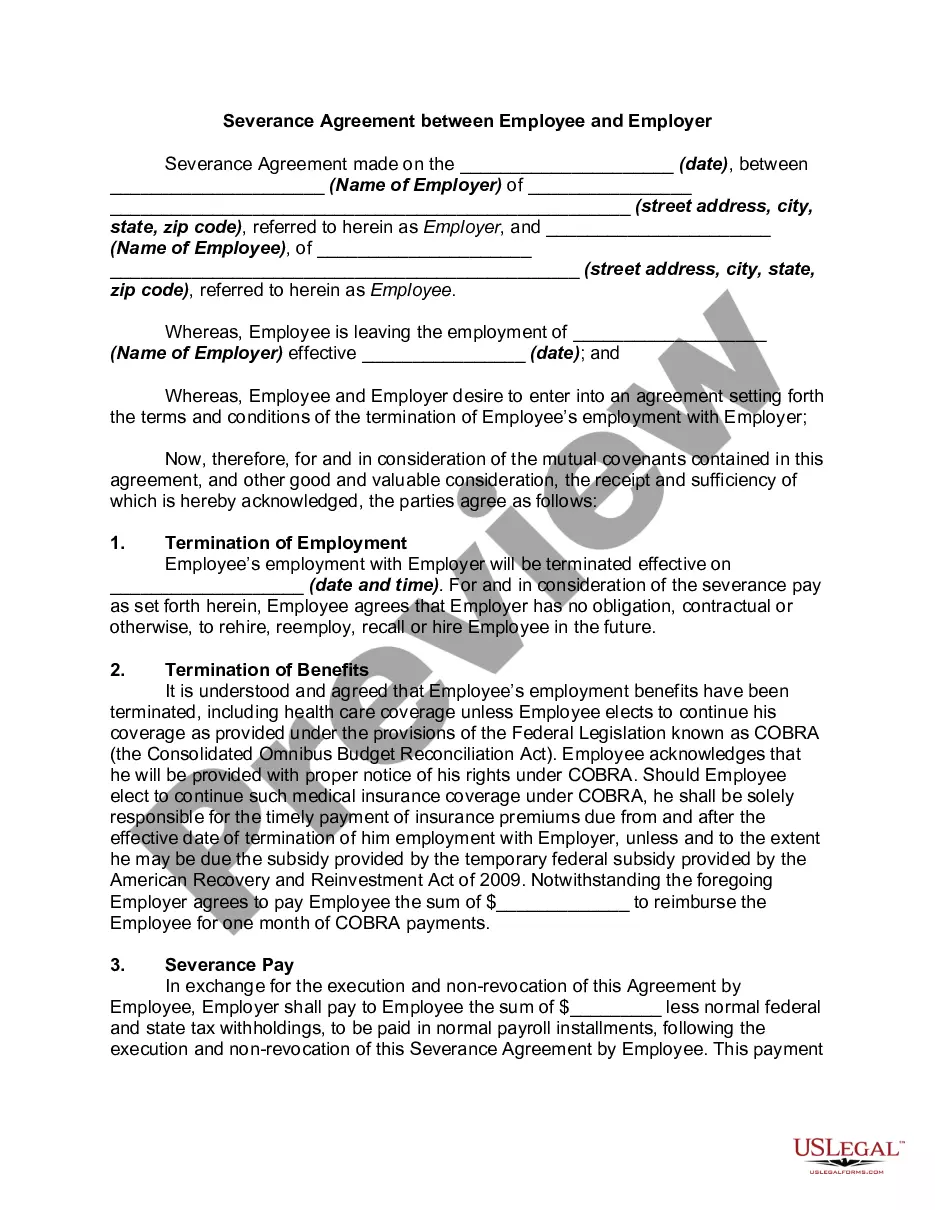
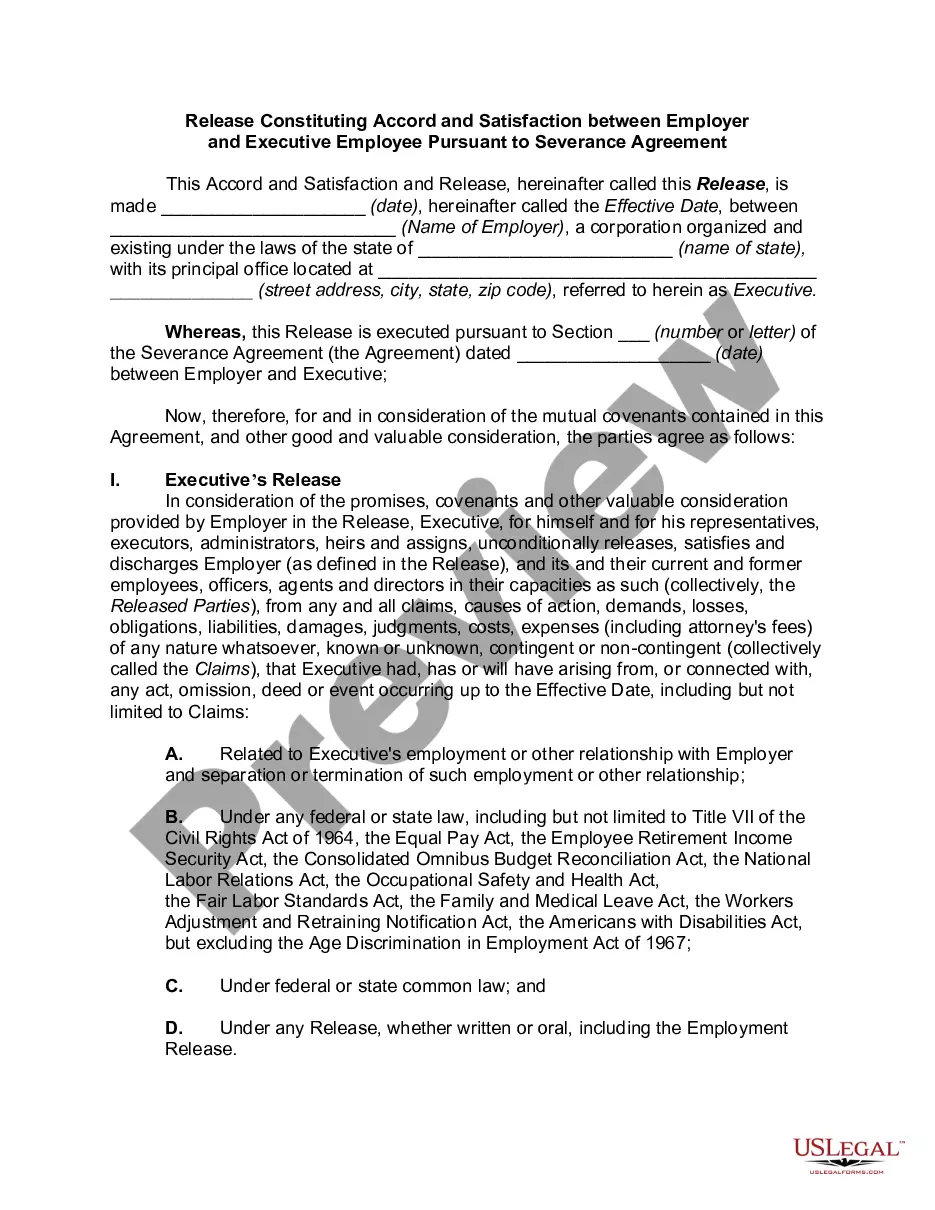
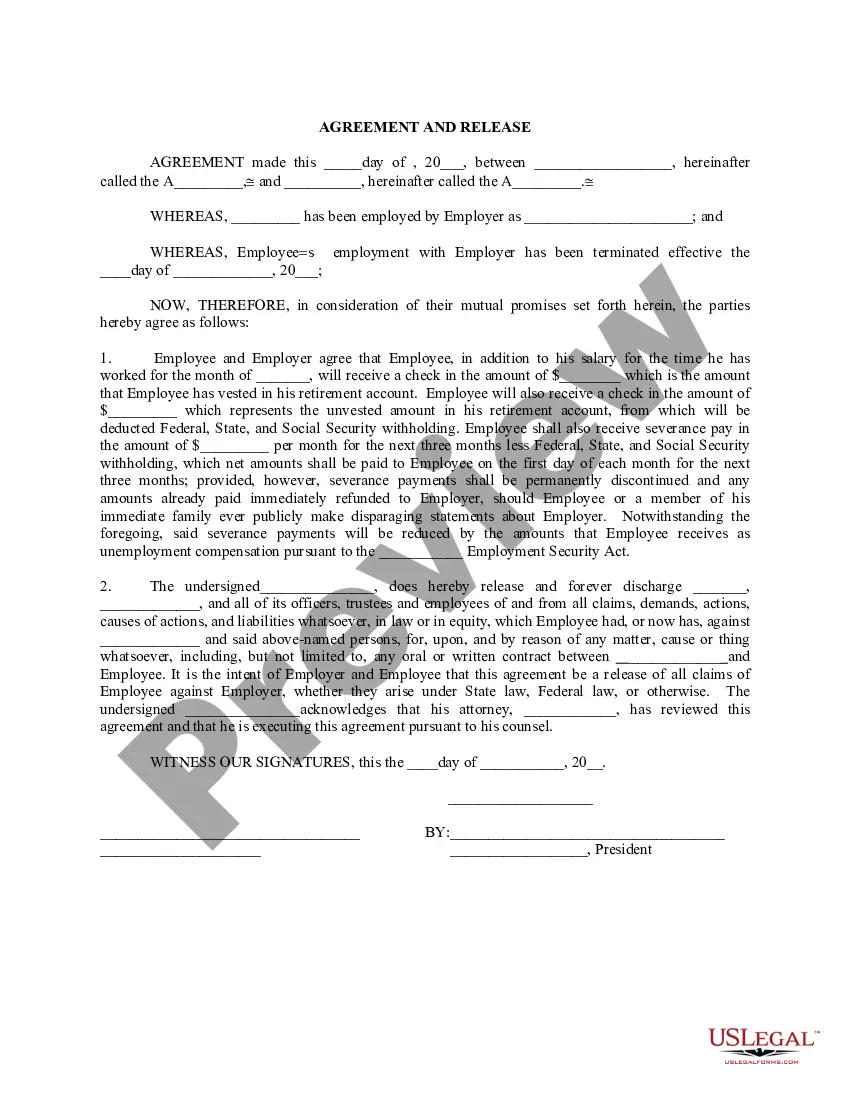
Get your form ready online
Our built-in tools help you complete, sign, share, and store your documents in one place.
Make edits, fill in missing information, and update formatting in US Legal Forms—just like you would in MS Word.
Download a copy, print it, send it by email, or mail it via USPS—whatever works best for your next step.
Sign and collect signatures with our SignNow integration. Send to multiple recipients, set reminders, and more. Go Premium to unlock E-Sign.
If this form requires notarization, complete it online through a secure video call—no need to meet a notary in person or wait for an appointment.
We protect your documents and personal data by following strict security and privacy standards.

Make edits, fill in missing information, and update formatting in US Legal Forms—just like you would in MS Word.

Download a copy, print it, send it by email, or mail it via USPS—whatever works best for your next step.

Sign and collect signatures with our SignNow integration. Send to multiple recipients, set reminders, and more. Go Premium to unlock E-Sign.

If this form requires notarization, complete it online through a secure video call—no need to meet a notary in person or wait for an appointment.

We protect your documents and personal data by following strict security and privacy standards.
Looking for another form?




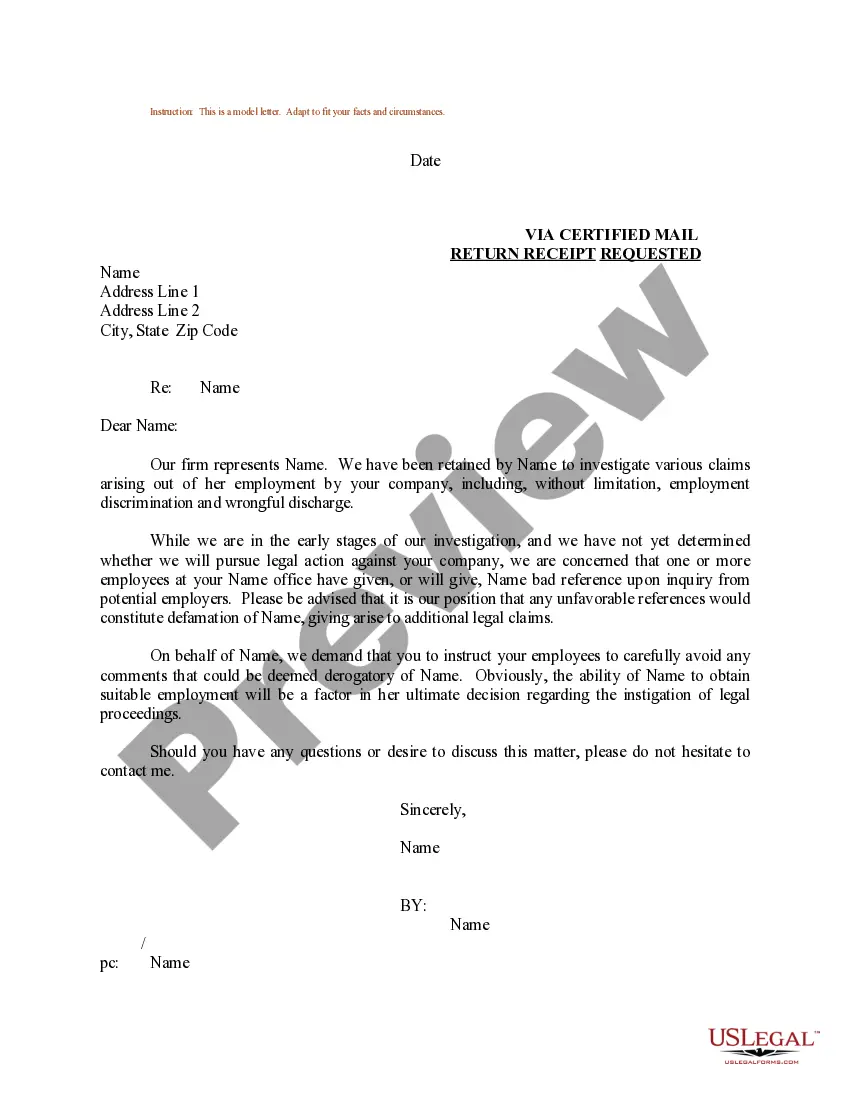



Form popularity
FAQ
There is no requirement to provide severance in the US and if you were terminated for cause a company generally would not provide it. In general severance is only provided when a company does something like lay you off because of financial conditions or restructuring (if even then).
Understanding termination letters The date of termination. The reason for the termination (while not always required, many include it) Any severance benefits or other compensation the employee is entitled to. Instructions for the return of company property. Details regarding the final paycheck and accrued vacation time.
Much of "Severance" is filmed in New York's Hudson Valley, specifically in the city of Kingston. Mark also says that he used to be a professor at a university in a town called Ganz, which is very similar to Gans, a real community in western Pennsylvania.
An employer may terminate the services of an “at will” employee, with or without cause, at any time — as long as an employee is not let go for an unlawful purpose, such as age or racial discrimination.
At-Will Employment. Pennsylvania is an at-will employment state, which means that in the absence of a written employment or collective bargaining agreement, either the employer or the employee may terminate employment for any reason that is not contrary to law.
Pennsylvania does not have a state law requiring employers to provide advance notice of termination. However, employers may be subject to the federal WARN Act, which requires some employers to provide advance notice of mass layoffs or plant closings.
While no one can predict with absolute certainty whether they will lose their job, being aware of warning signs can put you in a better position to protect your career. Declines in industry health, company financial instability, budget cuts, and departmental reorganizations are major warning signs of potential layoffs.
Pennsylvania does not have a state law requiring employers to provide advance notice of termination. However, employers may be subject to the federal WARN Act, which requires some employers to provide advance notice of mass layoffs or plant closings.
Request a 'Laid-Off Letter' from Human Resources. Inquire About Your Health Insurance Benefit. Collect — Or Check On — Your Final Paycheck. Review Your 401(k) and/or Pension Plans. Investigate a Severance Package. Register for Unemployment. Put the Internet to Work for You. Reinvigorate Your Resume.
How to Conduct a Layoff or Reduction in Force Step 1: Select Employees for Layoff. Step 2: Avoid Adverse Action/Disparate Impact. Step 3: Comply with WARN Act Regulations. Step 4: Determine Severance Packages and Additional Services. Step 5: Review Older Workers Benefit Protection Act (OWBPA) Regulations for Compliance.