Severance Agreement Form With Non-disparagement Clause In Middlesex
Description

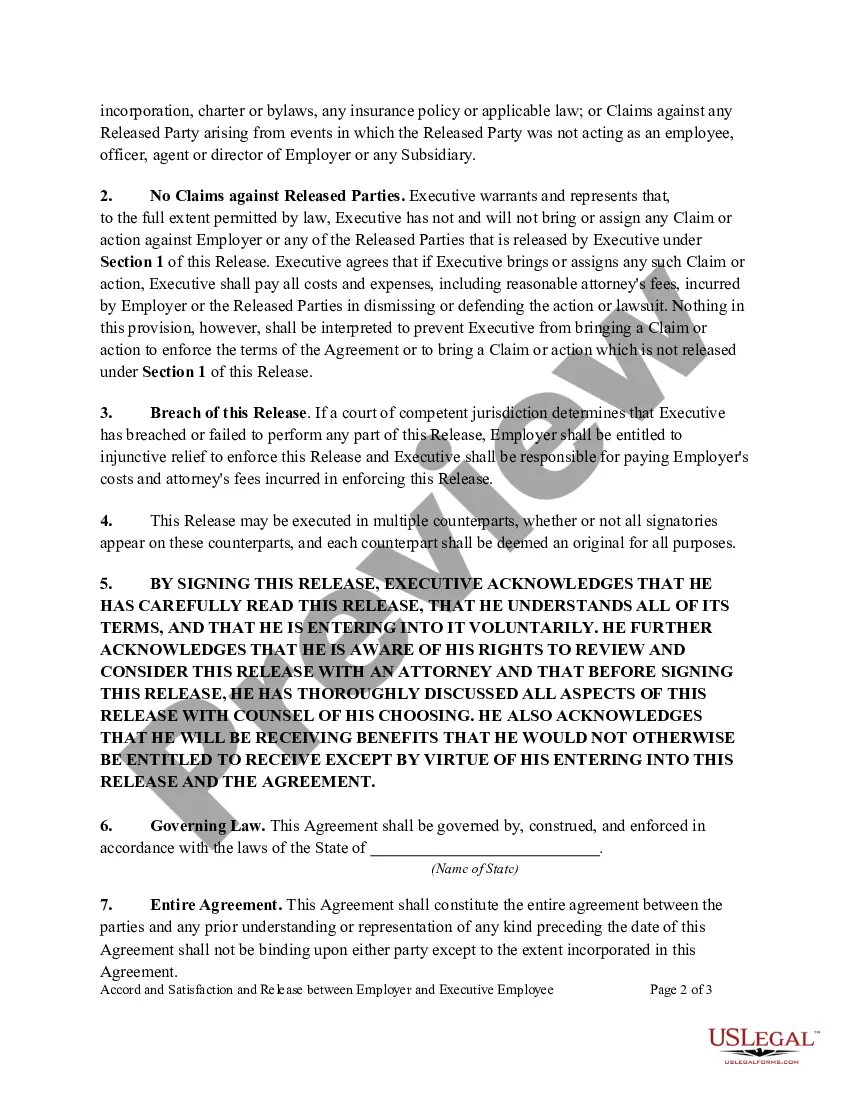
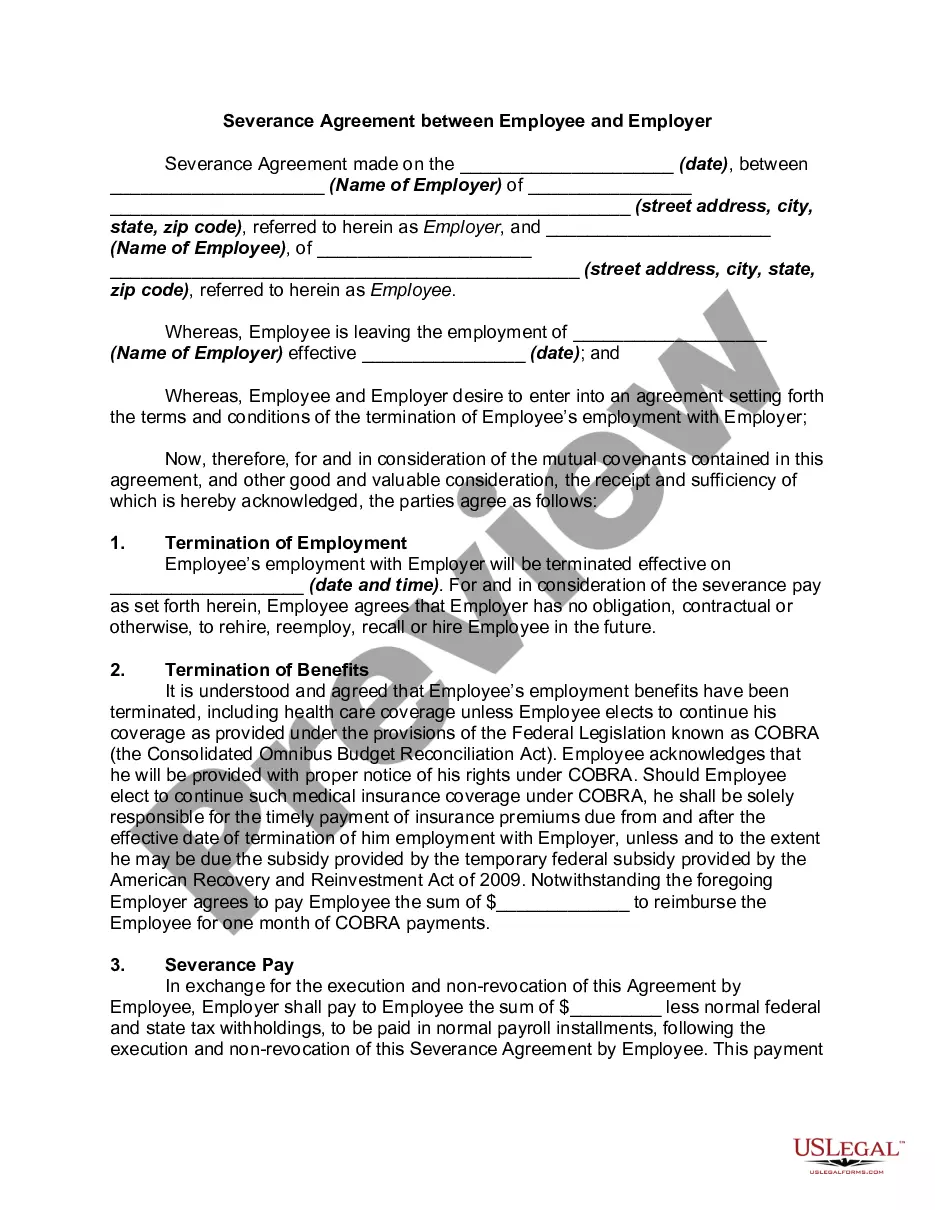
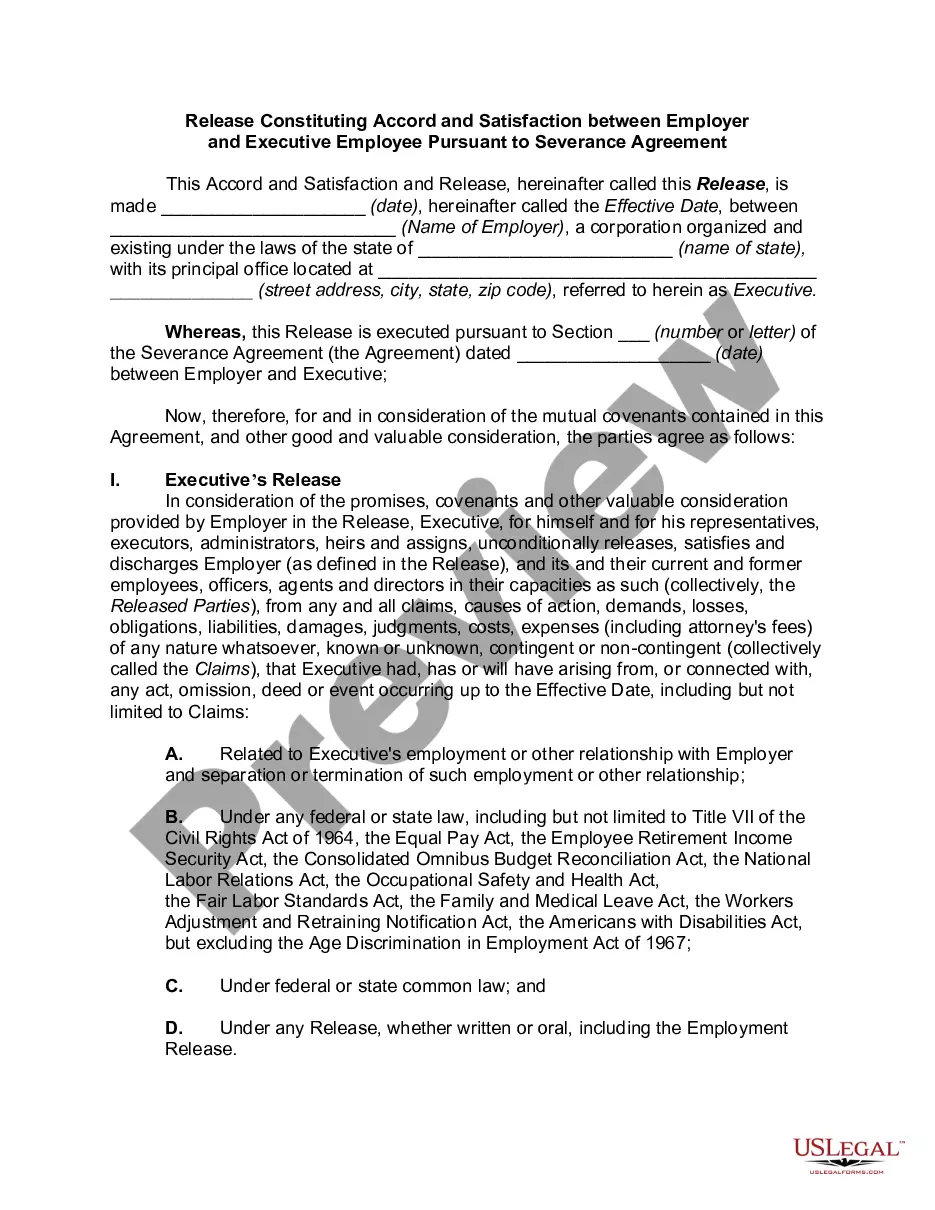
Get your form ready online
Our built-in tools help you complete, sign, share, and store your documents in one place.
Make edits, fill in missing information, and update formatting in US Legal Forms—just like you would in MS Word.
Download a copy, print it, send it by email, or mail it via USPS—whatever works best for your next step.
Sign and collect signatures with our SignNow integration. Send to multiple recipients, set reminders, and more. Go Premium to unlock E-Sign.
If this form requires notarization, complete it online through a secure video call—no need to meet a notary in person or wait for an appointment.
We protect your documents and personal data by following strict security and privacy standards.

Make edits, fill in missing information, and update formatting in US Legal Forms—just like you would in MS Word.

Download a copy, print it, send it by email, or mail it via USPS—whatever works best for your next step.

Sign and collect signatures with our SignNow integration. Send to multiple recipients, set reminders, and more. Go Premium to unlock E-Sign.

If this form requires notarization, complete it online through a secure video call—no need to meet a notary in person or wait for an appointment.

We protect your documents and personal data by following strict security and privacy standards.
Looking for another form?








Form popularity
FAQ
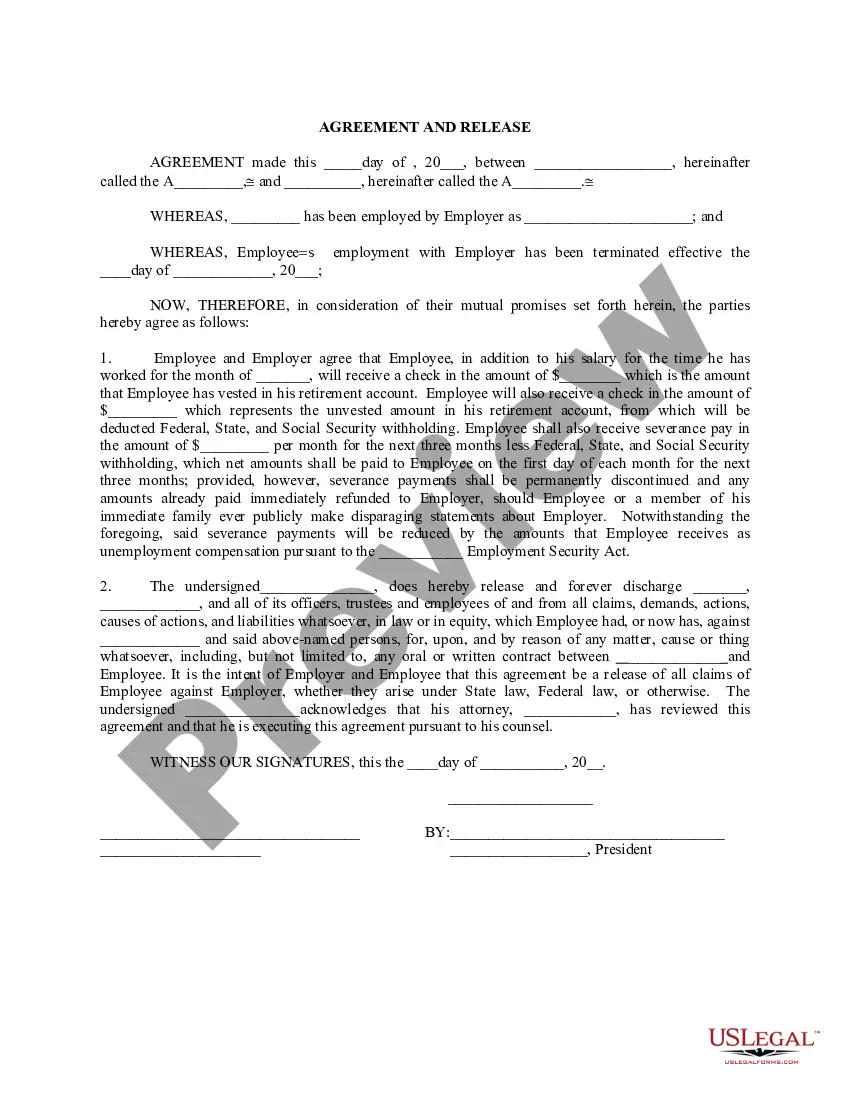
Non-Disparagement. Employee agrees that he/she will not say, write or cause to be said or written, any statement that may be considered defamatory, derogatory or disparaging of any of the Releasees.
“If any term of this Agreement is to any extent invalid, illegal, or incapable of being enforced, such term shall be excluded to the extent of such invalidity, illegality, or unenforceability; all other terms hereof shall remain in full force and effect.”
disparagement clause generally prevents employees from disclosing certain confidential business information or saying anything negative about their former employer. Confidentiality clauses generally prohibit employees from sharing details of the severance agreement.
The parties agree to not make any statements written or verbal, or cause or encourage any others to make statements, written or verbal regarding the past behavior of the parties, which statements would tend to disparage or impugn the reputation of any party.
How to Structure a Severance Agreement Determine Eligibility: Decide which employees will be offered a severance agreement based on company policy or specific circumstances. Consult Legal Counsel: Work with an attorney to draft the agreement to ensure compliance with federal and state laws.
Another thing an employer may want in return for offering a severance package is a non-compete agreement. A non-compete agreement can restrict a former employee from working in a business similar to that of the former employer for a given amount of time over a given geographic area.
Companies Can't Demand Silence for Severance, NLRB Rules | The Muse. Need AI-powered career advice, guidance, support? Ask Maya from The Muse.