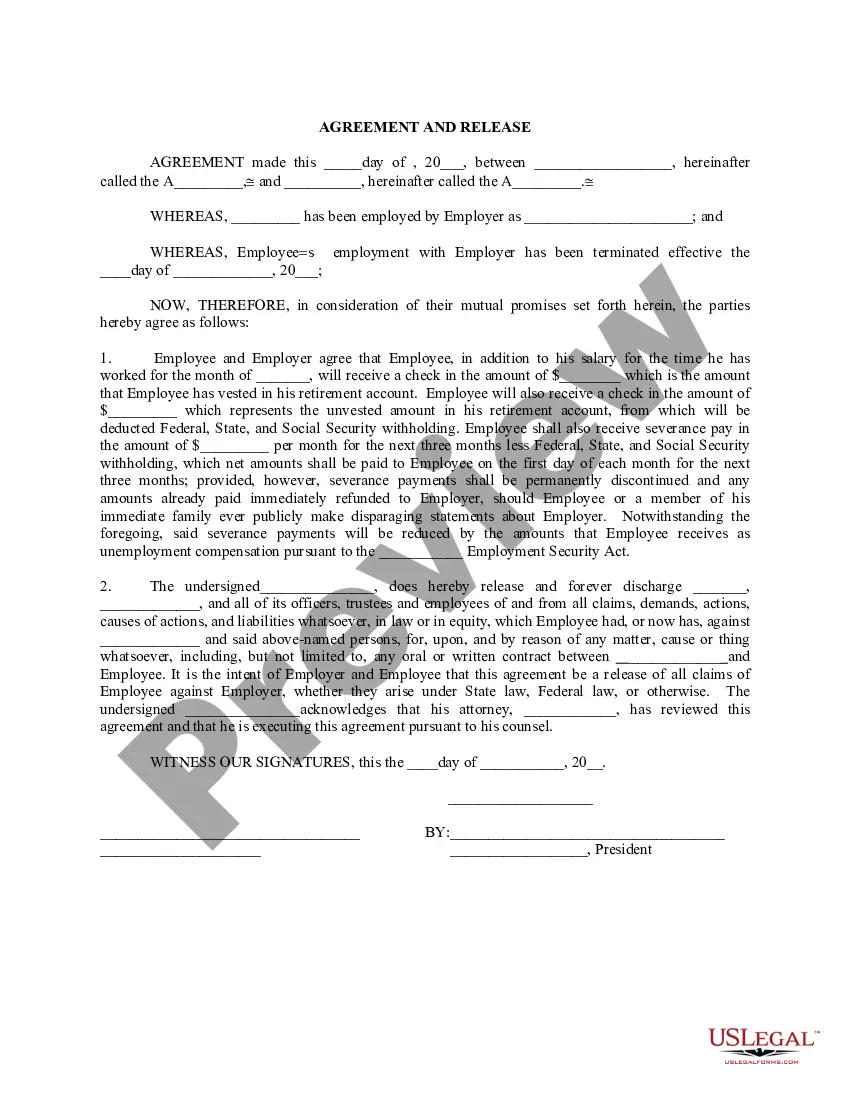
Severance Termination Without Cause In Mecklenburg
Description

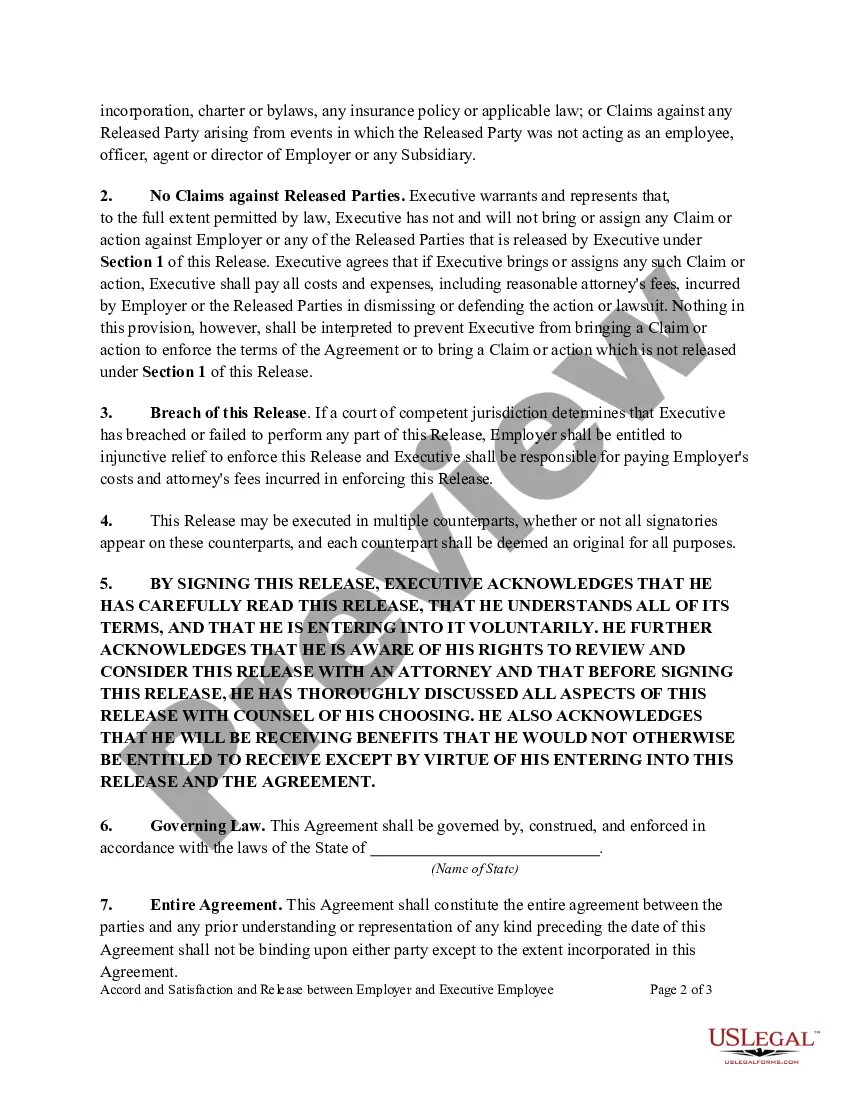
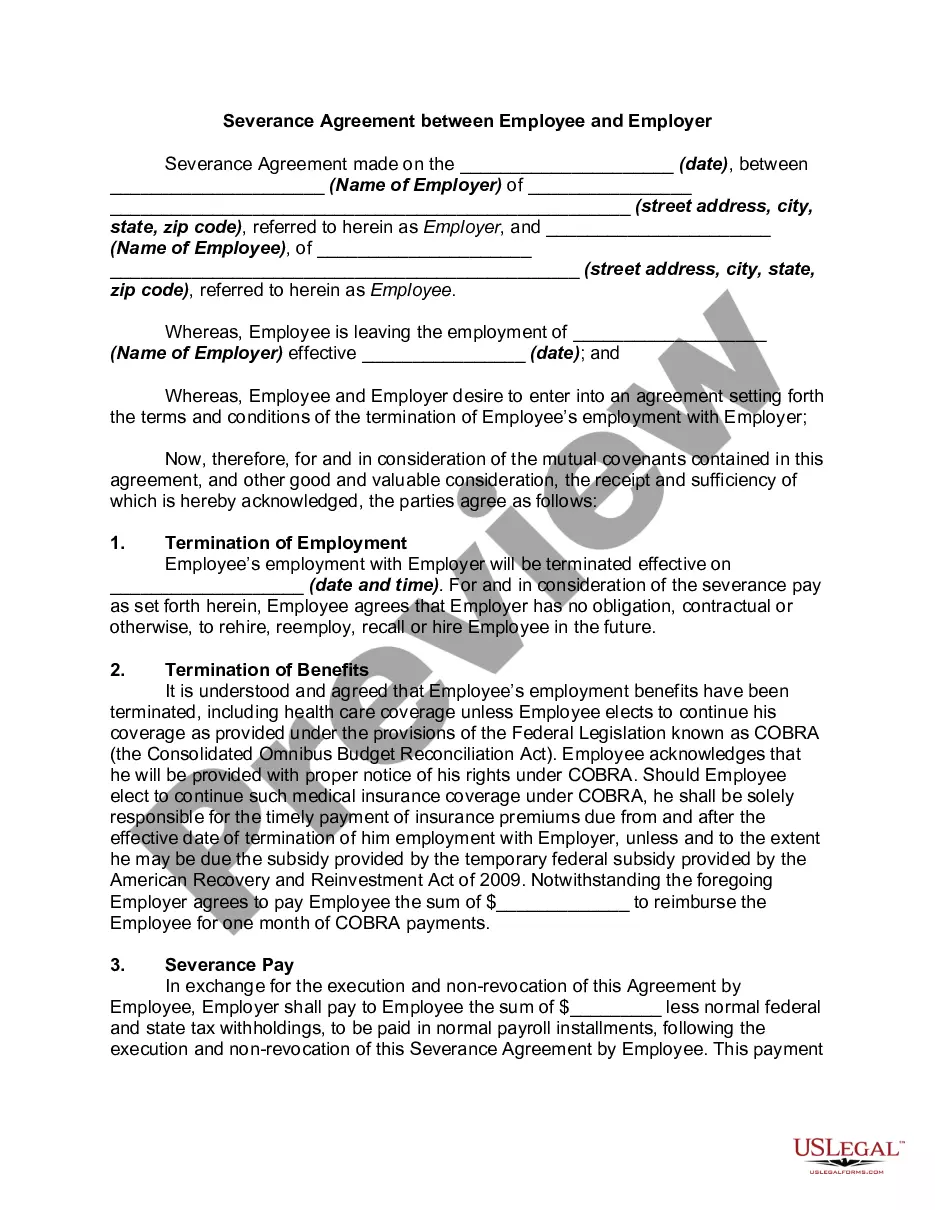
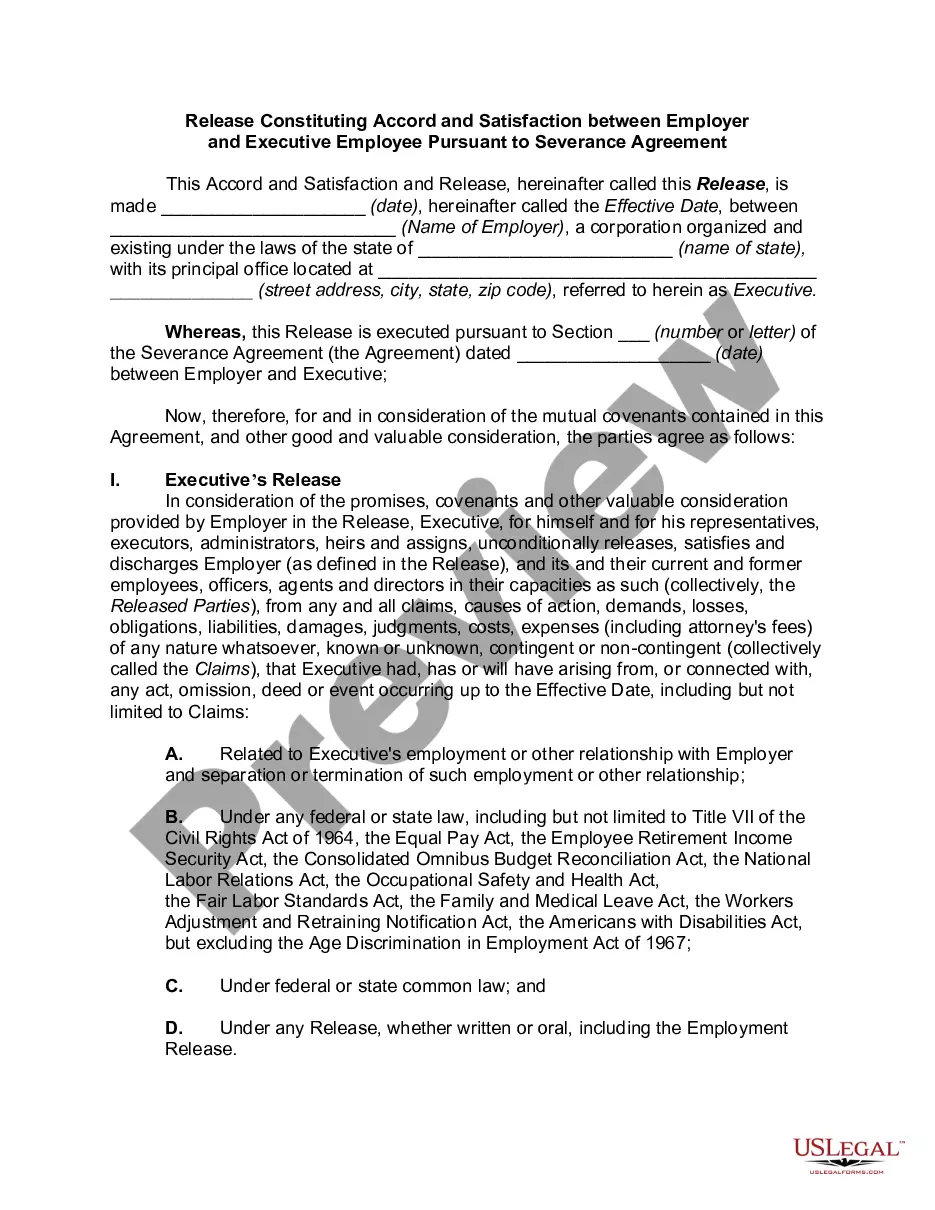
Get your form ready online
Our built-in tools help you complete, sign, share, and store your documents in one place.
Make edits, fill in missing information, and update formatting in US Legal Forms—just like you would in MS Word.
Download a copy, print it, send it by email, or mail it via USPS—whatever works best for your next step.
Sign and collect signatures with our SignNow integration. Send to multiple recipients, set reminders, and more. Go Premium to unlock E-Sign.
If this form requires notarization, complete it online through a secure video call—no need to meet a notary in person or wait for an appointment.
We protect your documents and personal data by following strict security and privacy standards.

Make edits, fill in missing information, and update formatting in US Legal Forms—just like you would in MS Word.

Download a copy, print it, send it by email, or mail it via USPS—whatever works best for your next step.

Sign and collect signatures with our SignNow integration. Send to multiple recipients, set reminders, and more. Go Premium to unlock E-Sign.

If this form requires notarization, complete it online through a secure video call—no need to meet a notary in person or wait for an appointment.

We protect your documents and personal data by following strict security and privacy standards.
Looking for another form?








Form popularity
FAQ
Tips to Negotiate Your Severance Package Understand the situation. Let the company make the first step and show you their offer. Decide on your requests. Next, decide what you want to ask for. Make a counteroffer. Sign when you're ready.
California Is an “At-Will” State California obeys “at-will” employment laws. This means that all employers have the right to terminate employees at will, for almost any reason, or for no reason at all. This does not, however, mean that an employer can fire someone out of discrimination, harassment, or retaliation.
California has specific laws when it comes to employment and wrongful termination. It follows a system of “at-will” employment, which means that there is no legal requirement for your employer to give you a specific reason when terminating you.
2. Failing to perform the job for which one was hired. Unsatisfactory performance is the primary reason why most employees get fired.
Is California an At-Will State and What Does that Mean? Yes, California is an at-will state. Legally, that means an employer can terminate an employee for any reason and without warning. The opposite is true as well.
Stay Calm : Try to remain composed and professional, even if the situation is unexpected or upsetting. Request Clarification : Politely ask for clarification on the reasons for your termination. Review Your Employment Contract : Check any employment agreements or contracts you signed. Document Everything
Do You Get Severance If You Get Fired? There are no legal requirements or federal law for employers to offer a dismissal or redundancy package at the time of termination of employment. The Fair Labor Standards Act (FLSA) does not have any such provisions either.
California Is an “At-Will” State This means that all employers have the right to terminate employees at will, for almost any reason, or for no reason at all. This does not, however, mean that an employer can fire someone out of discrimination, harassment, or retaliation.
Comment: A termination without cause provision (also called a “termination for convenience” clause) permits one or both parties to terminate the agreement at any time after an initial contracting period.