Installment Loan Contract Without Bank Account In Wake
Description

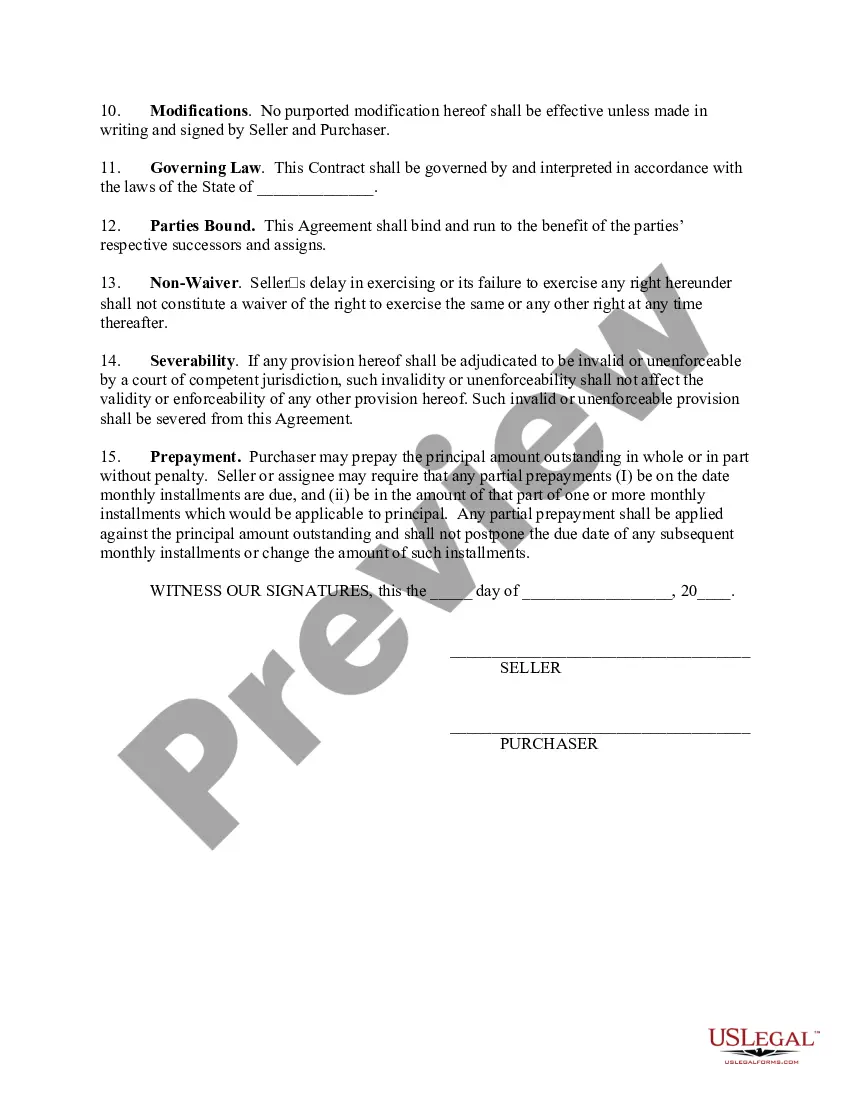
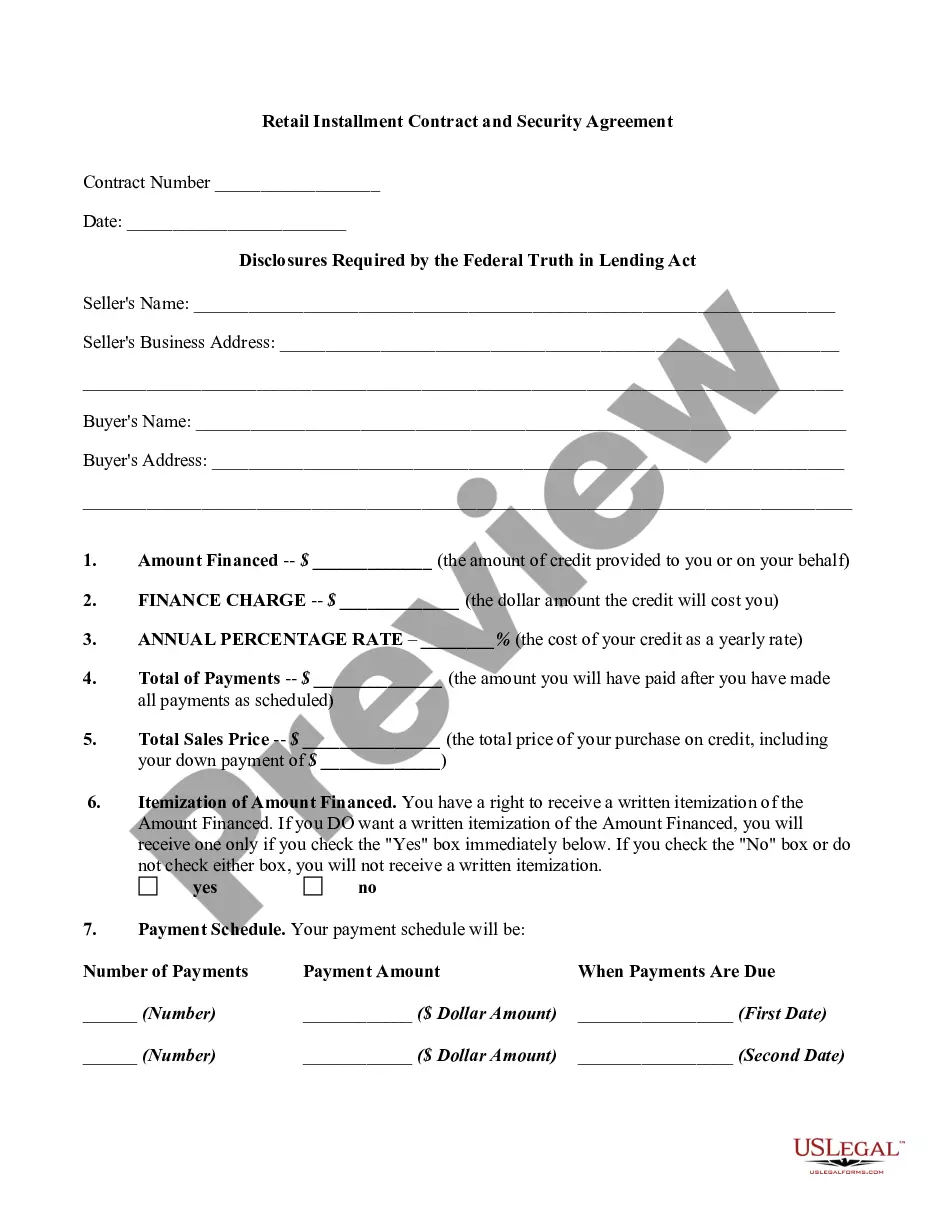
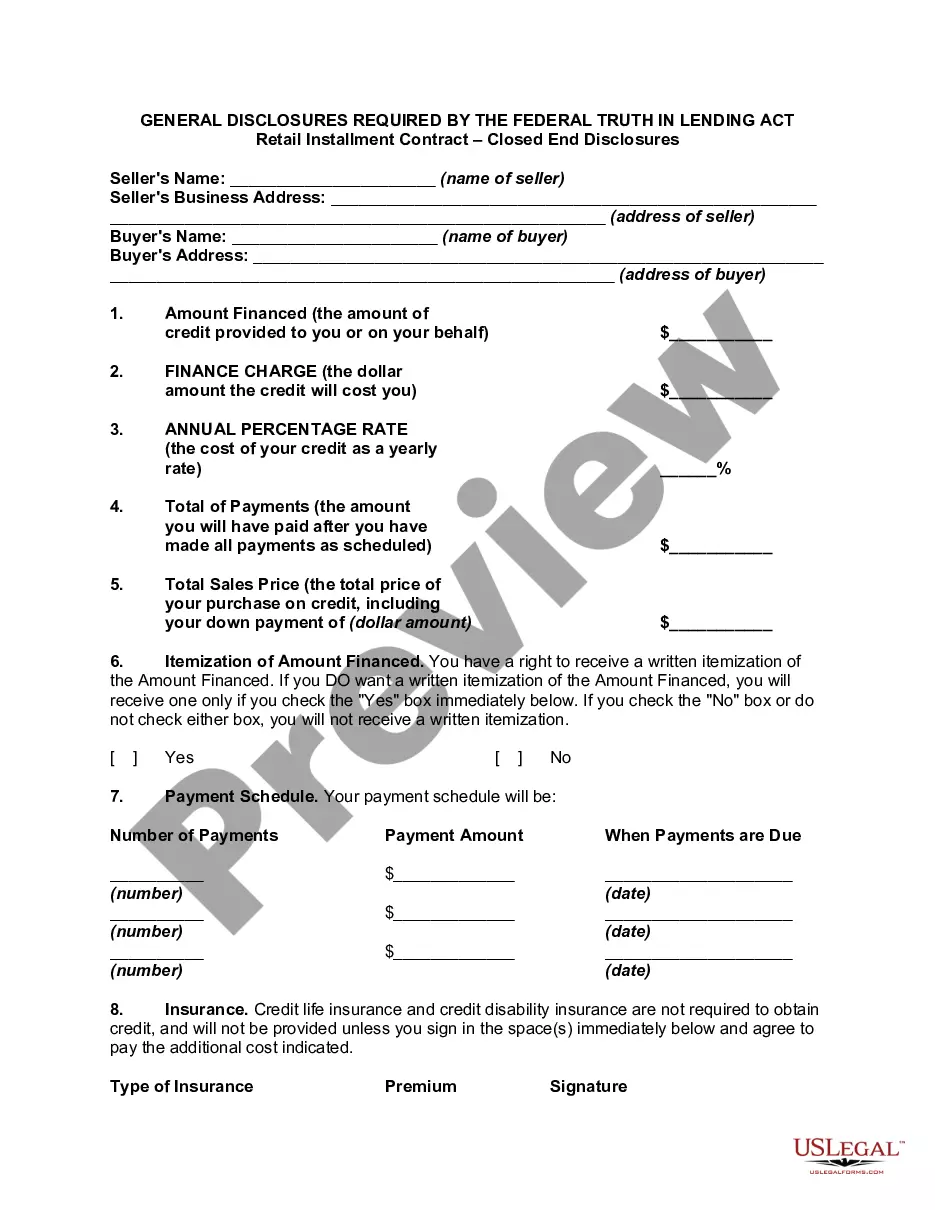
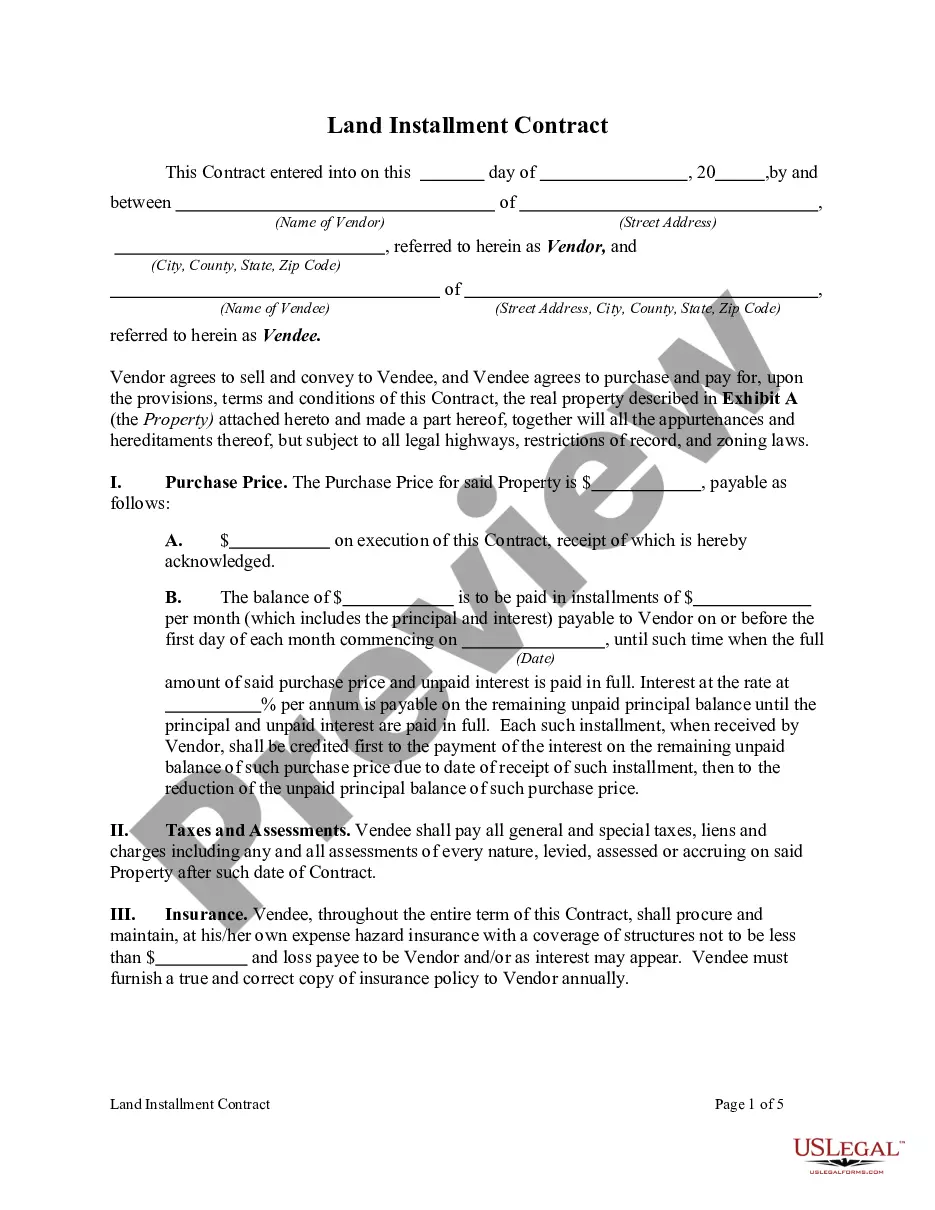
Get your form ready online
Our built-in tools help you complete, sign, share, and store your documents in one place.
Make edits, fill in missing information, and update formatting in US Legal Forms—just like you would in MS Word.
Download a copy, print it, send it by email, or mail it via USPS—whatever works best for your next step.
Sign and collect signatures with our SignNow integration. Send to multiple recipients, set reminders, and more. Go Premium to unlock E-Sign.
If this form requires notarization, complete it online through a secure video call—no need to meet a notary in person or wait for an appointment.
We protect your documents and personal data by following strict security and privacy standards.

Make edits, fill in missing information, and update formatting in US Legal Forms—just like you would in MS Word.

Download a copy, print it, send it by email, or mail it via USPS—whatever works best for your next step.

Sign and collect signatures with our SignNow integration. Send to multiple recipients, set reminders, and more. Go Premium to unlock E-Sign.

If this form requires notarization, complete it online through a secure video call—no need to meet a notary in person or wait for an appointment.

We protect your documents and personal data by following strict security and privacy standards.
Looking for another form?









Form popularity
FAQ
FAQs About IRS payment plan defaults The IRS can legally terminate your agreement if you miss a single payment, but in most cases, the agency won't take this step until you miss two payments. If you cannot afford a monthly payment, reach out to the IRS before you miss the payment to explain the situation.
Drafting the payment plan agreement Brainstorm payment plan parameters and write them down. Identify key terms and conditions applicable to both parties. Draft a payment plan agreement with all the details noted in the previous step. List the payment plan schedule and payment amounts.
These lenders are turning to alternative methods like affordability calculators and credit scoring to assess if you can afford the mortgage. For instance, Santander tells brokers not to send bank statements unless absolutely necessary. Similarly, Halifax uses credit scores and affordability tools instead of statements.
In fact, they'll likely ask for documentation of any accounts that hold monetary assets. This is because mortgage lenders want to know that you'll be able to afford your down payment – if one is required – and make your monthly mortgage payments.
How to draft a contract between two parties: A step-by-step checklist Know your parties. Agree on the terms. Set clear boundaries. Spell out the consequences. Specify how you will resolve disputes. Cover confidentiality. Check the legality of the contract. Open it up to negotiation.
WHY THE IRS REJECTS INSTALLMENT AGREEMENT REQUESTS. The IRS typically rejects an installment agreement request for one of three reasons. If the IRS determines that your living expenses do not fall under the category of “necessary,” your agreement will more than likely be rejected.
