Example Of Installment Contract In Pennsylvania
Description

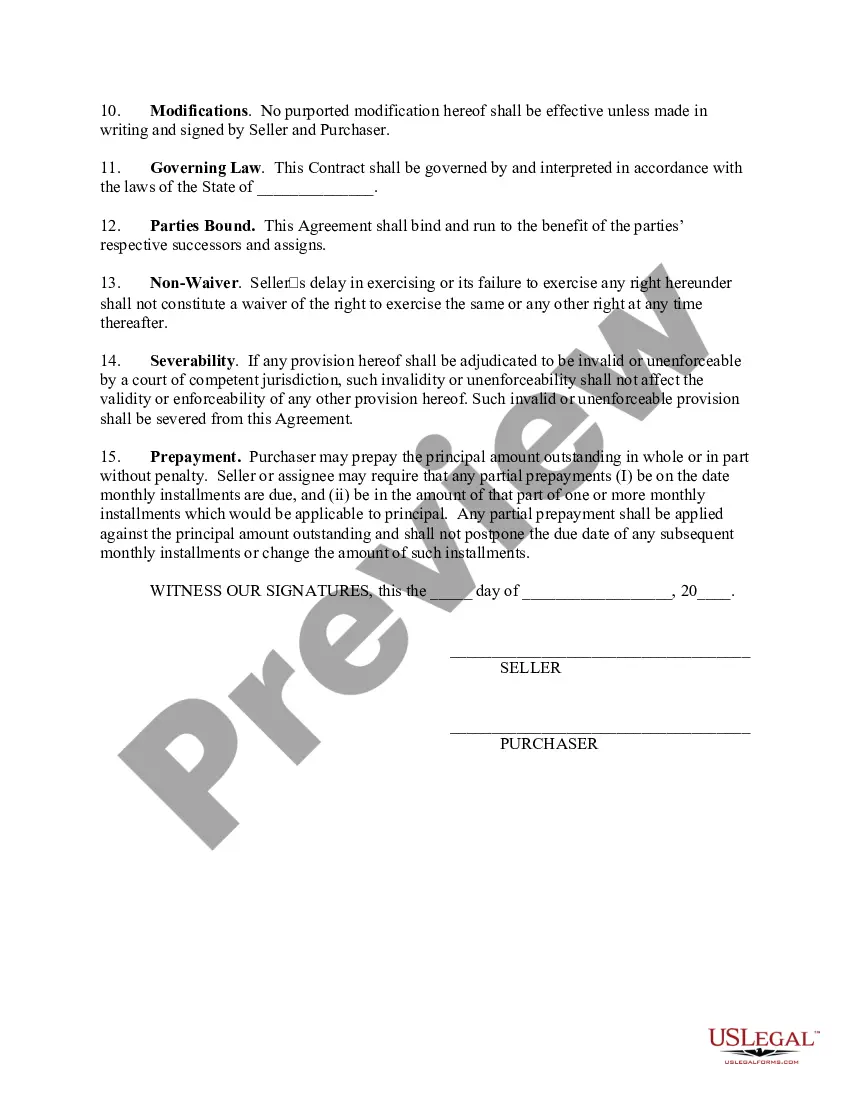
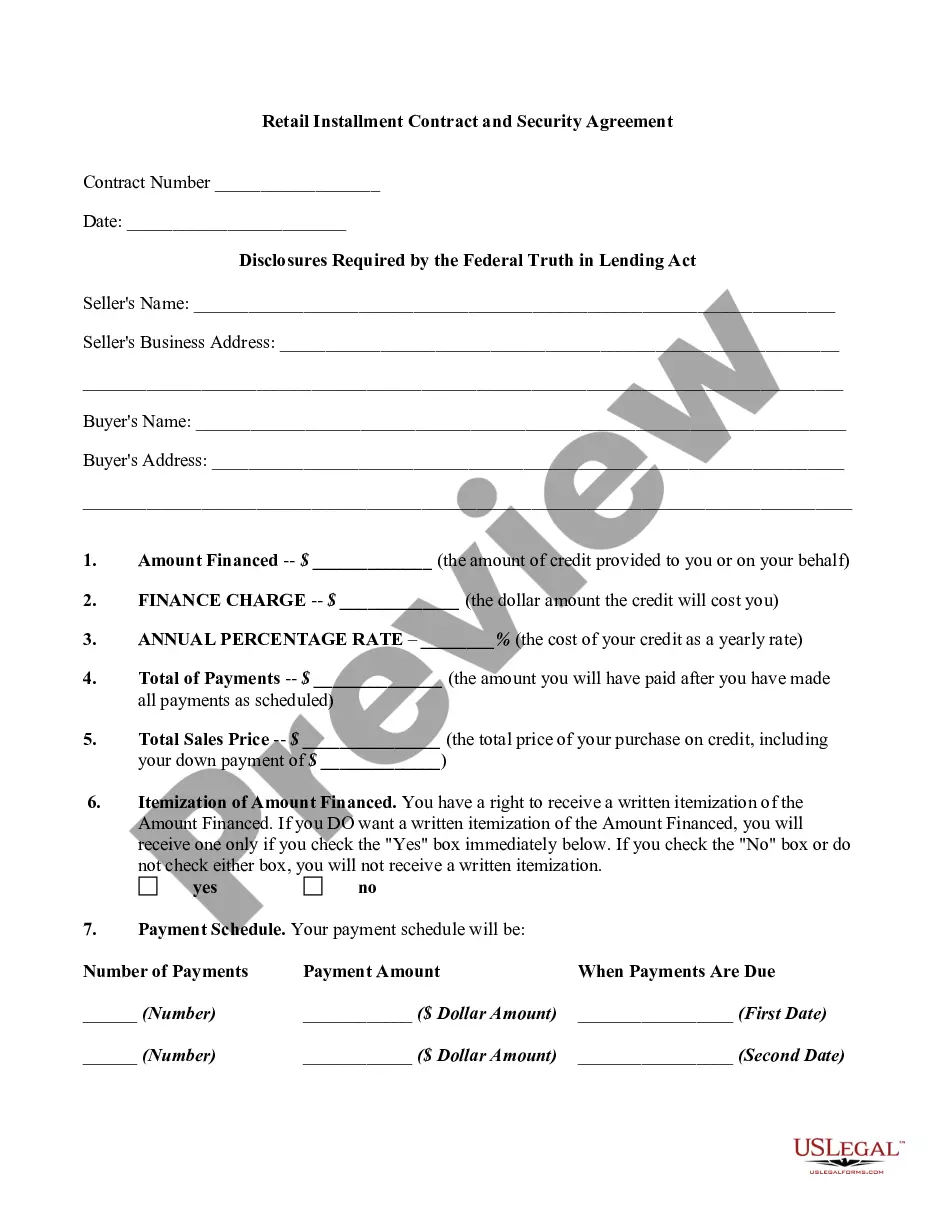
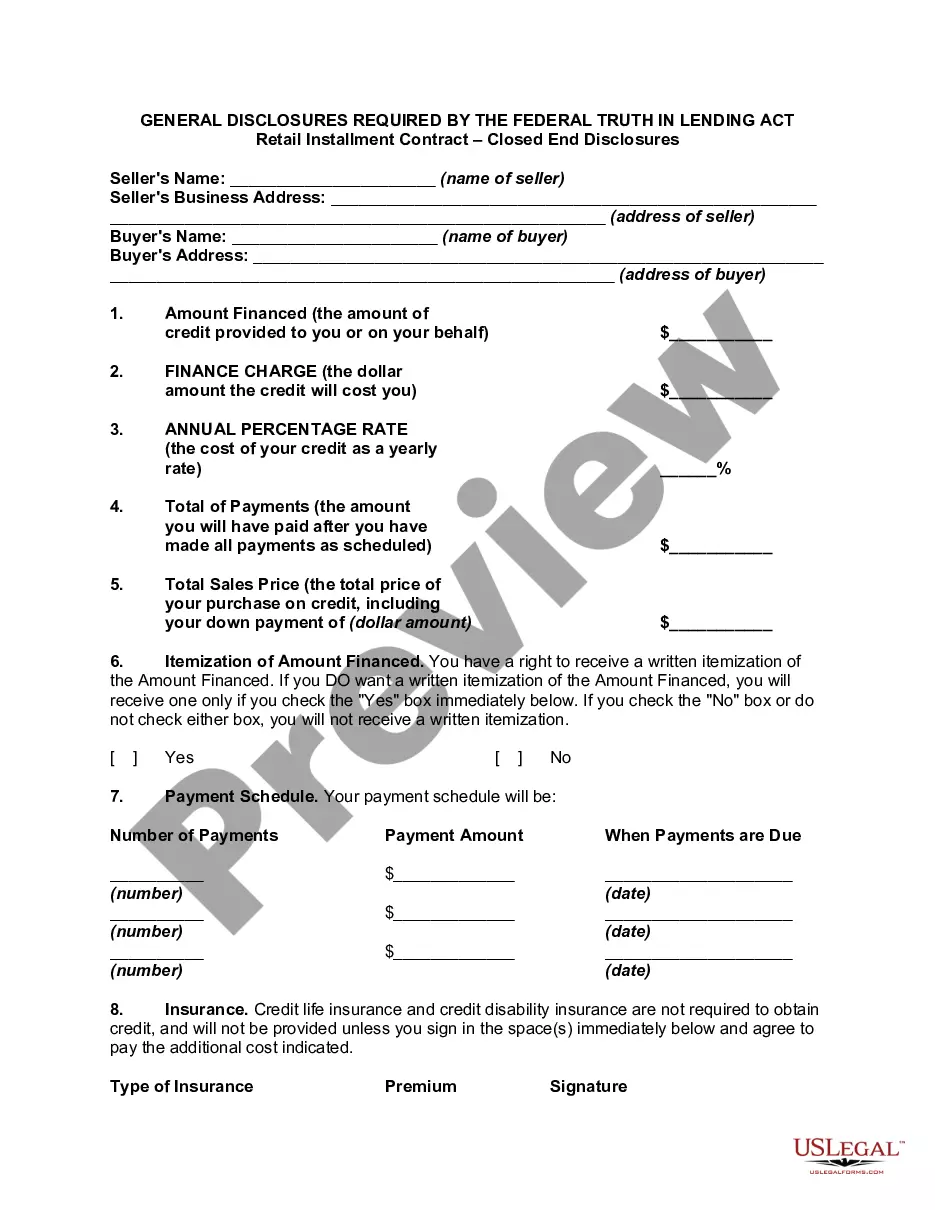
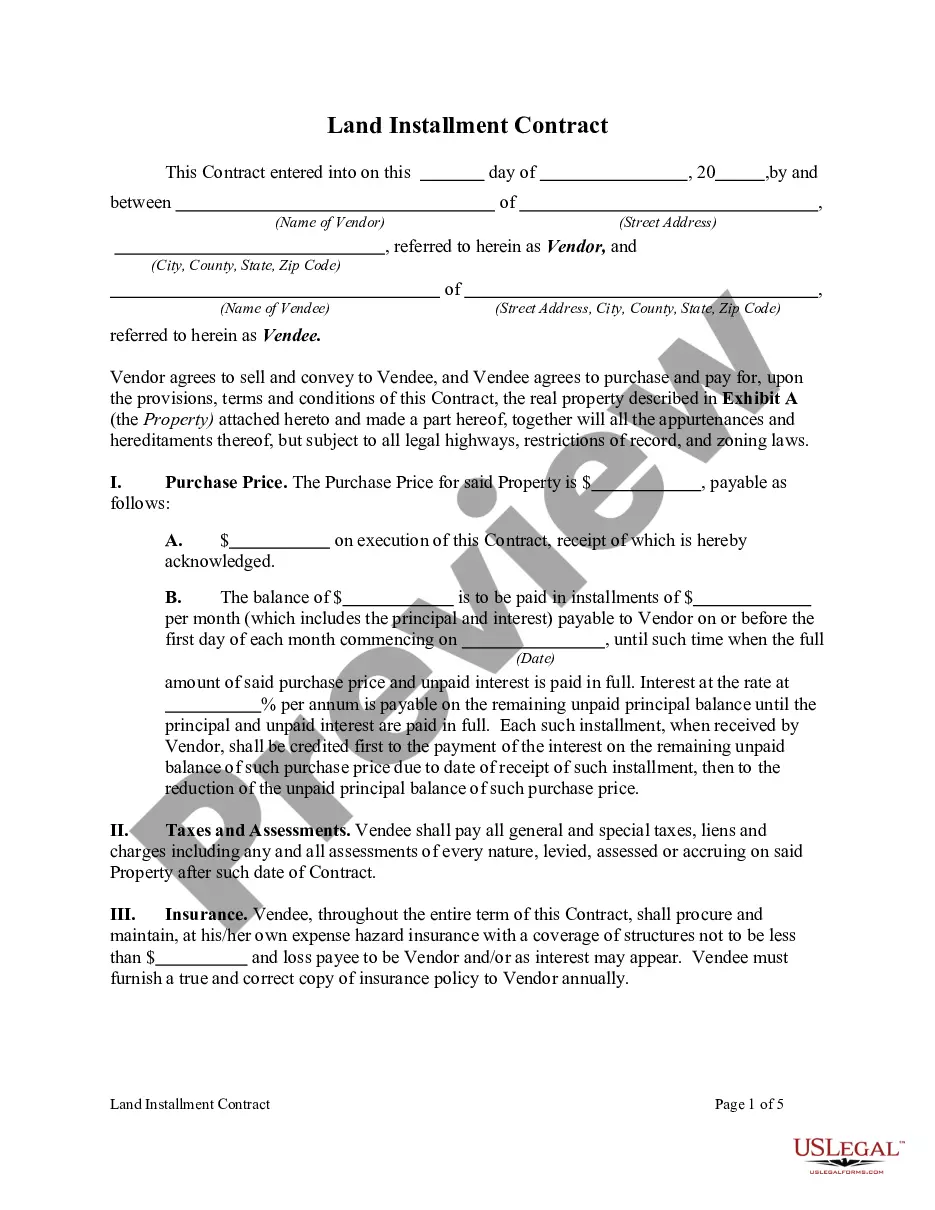
Get your form ready online
Our built-in tools help you complete, sign, share, and store your documents in one place.
Make edits, fill in missing information, and update formatting in US Legal Forms—just like you would in MS Word.
Download a copy, print it, send it by email, or mail it via USPS—whatever works best for your next step.
Sign and collect signatures with our SignNow integration. Send to multiple recipients, set reminders, and more. Go Premium to unlock E-Sign.
If this form requires notarization, complete it online through a secure video call—no need to meet a notary in person or wait for an appointment.
We protect your documents and personal data by following strict security and privacy standards.

Make edits, fill in missing information, and update formatting in US Legal Forms—just like you would in MS Word.

Download a copy, print it, send it by email, or mail it via USPS—whatever works best for your next step.

Sign and collect signatures with our SignNow integration. Send to multiple recipients, set reminders, and more. Go Premium to unlock E-Sign.

If this form requires notarization, complete it online through a secure video call—no need to meet a notary in person or wait for an appointment.

We protect your documents and personal data by following strict security and privacy standards.
Looking for another form?







Form popularity
FAQ
An installment contract offers a buyer less protection than a traditional mortgage. This is true mainly because of forfeiture provisions, which give the buyer no right of redemption and allow a buyer to lose all interest in the property for even the slightest breach.
Common Examples of Installment Contracts Sale of land plots. Technology or computer services, which need regular updating. Agricultural goods or produce sales, which are subject to seasonal cycles. Retail installment contracts, where wholesalers sell “in season” or “in-style” clothes to a seller.
Explanation:Under an installment land contract the seller retains legal / actual title until final payment is made by the buyer. The buyer will hold equitable title to the property until final payment is made.
Unfortunately, the contract is binding the instant it is signed by both buyer and seller. There is no right of rescission unless it actually states so in the contract.
An installment sale is a sale of property where you receive at least one payment after the tax year of the sale. If you realize a gain on an installment sale, you may be able to report part of your gain when you receive each payment. This method of reporting gain is called the installment method.
An installment contract is a single contract that is completed by a series of performances –such as payments, performances of a service, or delivery of goods–rather than being performed all at one time. Installment contracts can provide that installments are to be performed by either one or both parties .
A contract begins with an offer from one party and an acceptance from another. Under Pennsylvania law, both parties must agree to the terms laid out in the contract. The offer is a proposal for a specific exchange or service, while the acceptance indicates that the other party agrees to the terms without modifications.
An installment contract is a single contract that is completed by a series of performances –such as payments, performances of a service, or delivery of goods–rather than being performed all at one time.
The creditor should sign the Letter in the space provided before sending it to the debtor. If the debtor agrees to the repayment plan set out in the Letter Accepting Payments in Instalments, they should countersign the Letter in the space provided. This makes the Letter a binding agreement between the parties.
