Illinois Installment Contract For Deed In Houston
Description

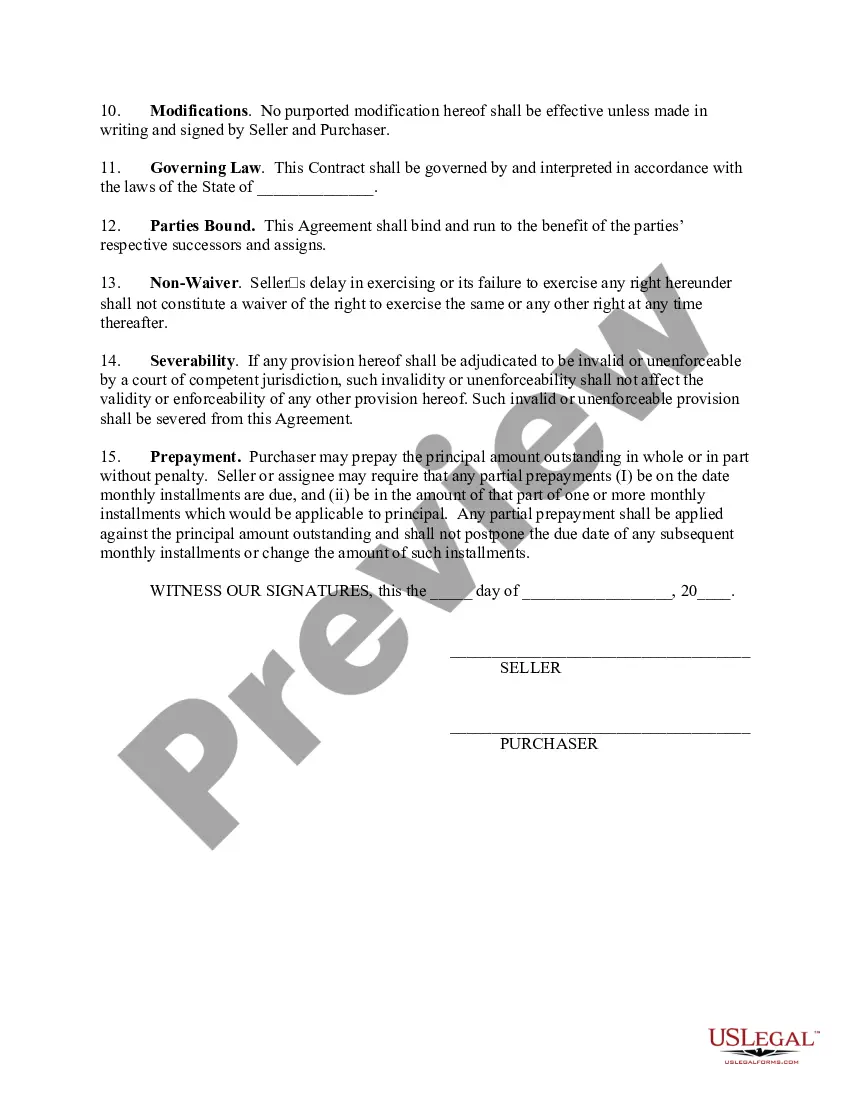
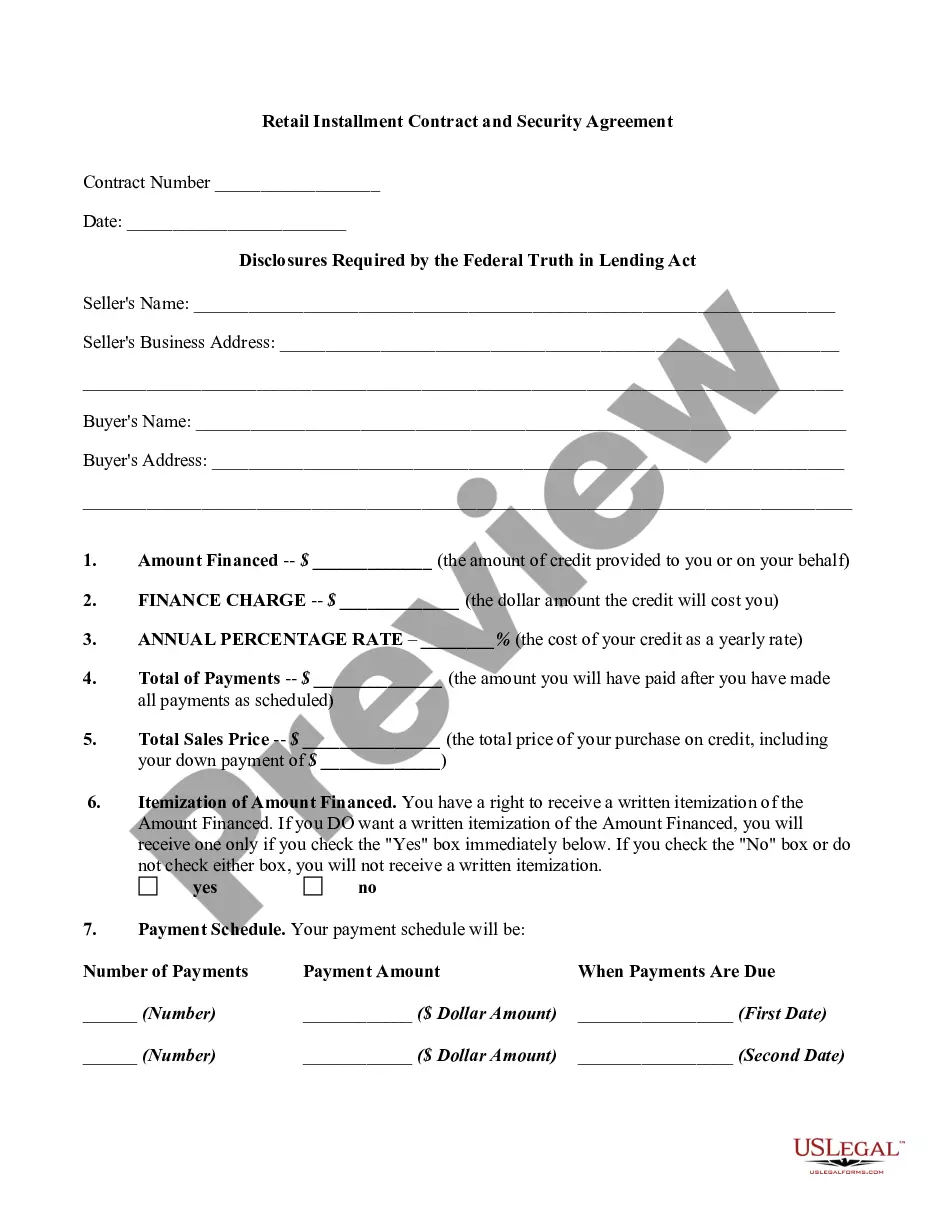
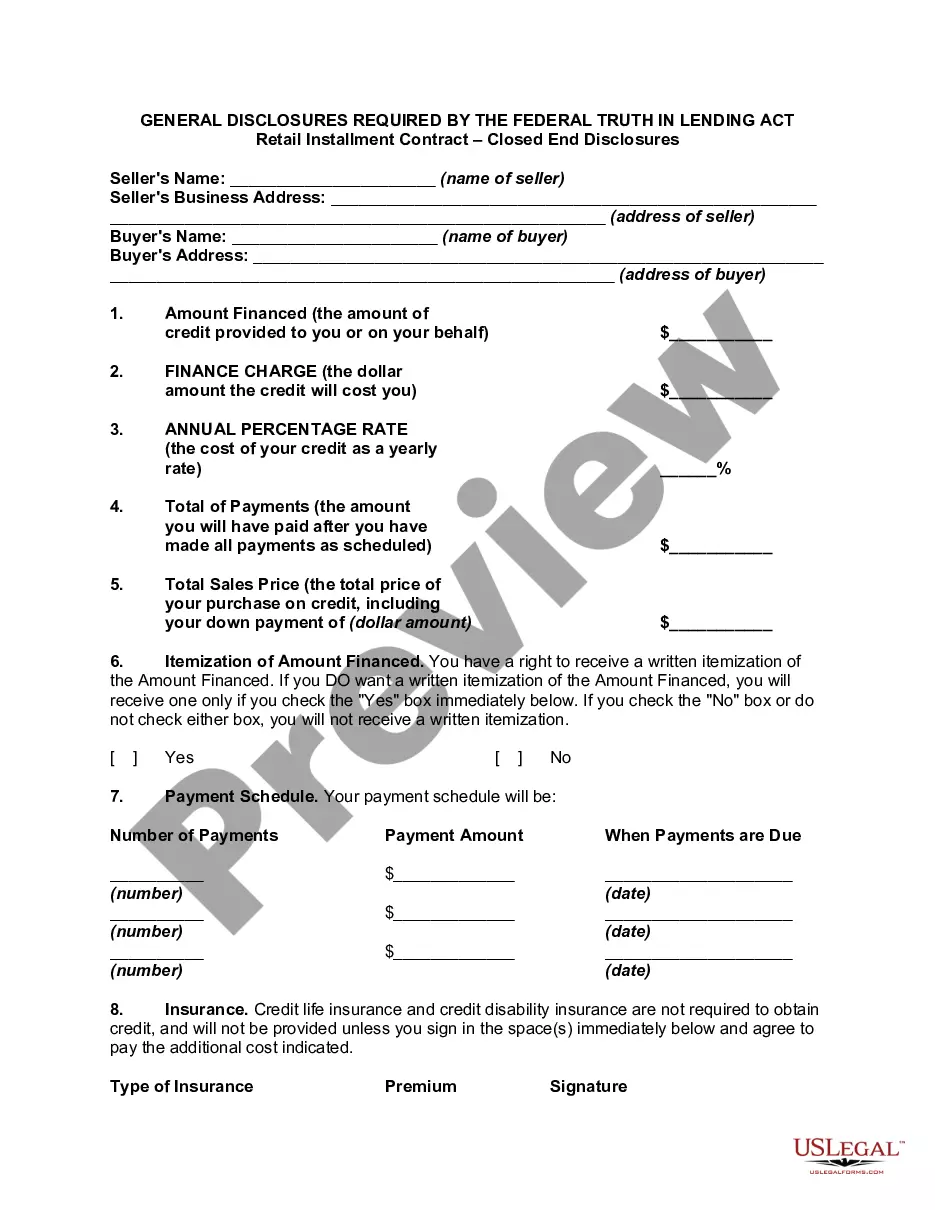
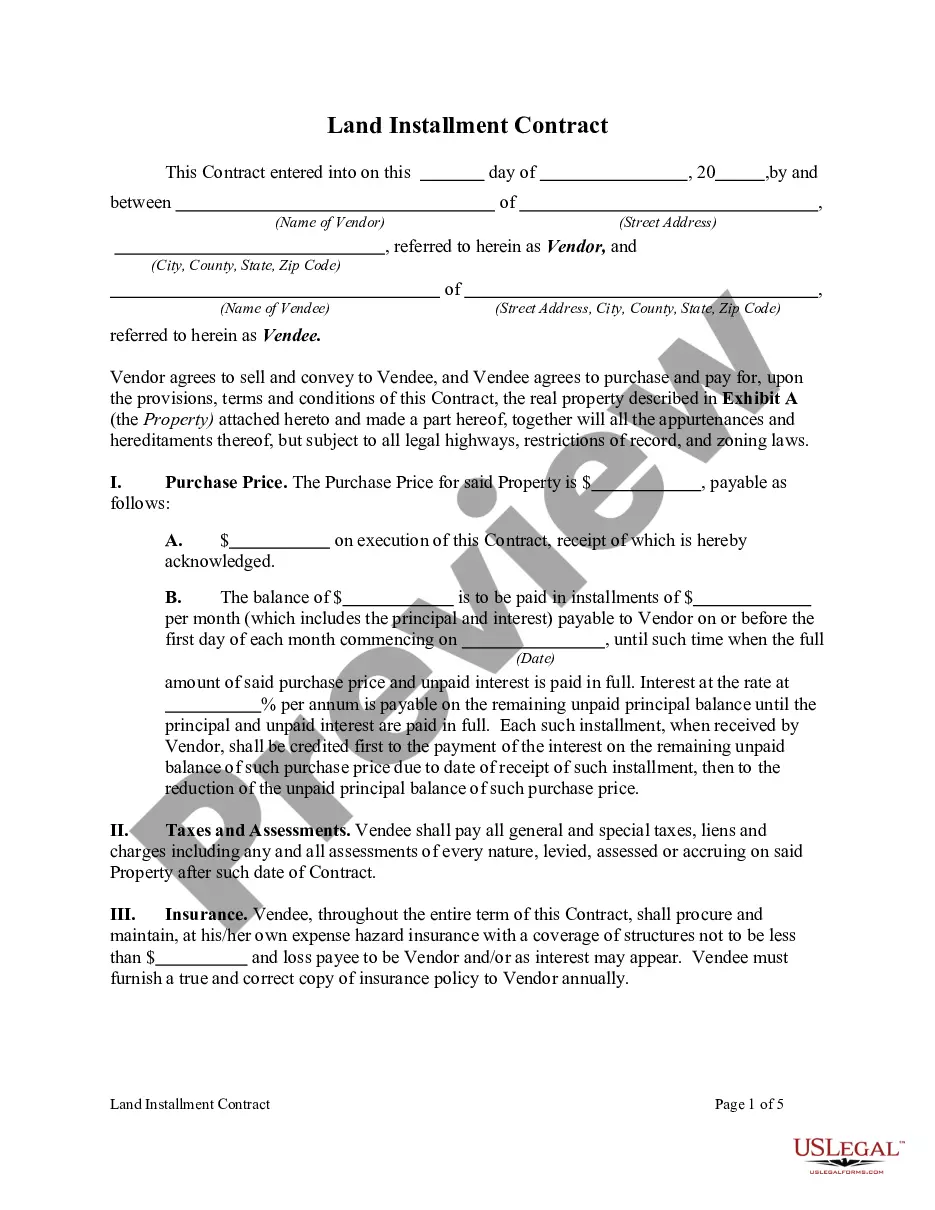
Get your form ready online
Our built-in tools help you complete, sign, share, and store your documents in one place.
Make edits, fill in missing information, and update formatting in US Legal Forms—just like you would in MS Word.
Download a copy, print it, send it by email, or mail it via USPS—whatever works best for your next step.
Sign and collect signatures with our SignNow integration. Send to multiple recipients, set reminders, and more. Go Premium to unlock E-Sign.
If this form requires notarization, complete it online through a secure video call—no need to meet a notary in person or wait for an appointment.
We protect your documents and personal data by following strict security and privacy standards.

Make edits, fill in missing information, and update formatting in US Legal Forms—just like you would in MS Word.

Download a copy, print it, send it by email, or mail it via USPS—whatever works best for your next step.

Sign and collect signatures with our SignNow integration. Send to multiple recipients, set reminders, and more. Go Premium to unlock E-Sign.

If this form requires notarization, complete it online through a secure video call—no need to meet a notary in person or wait for an appointment.

We protect your documents and personal data by following strict security and privacy standards.
Looking for another form?








Form popularity
FAQ
How to fill out a contract for deed in Illinois: Start by obtaining a blank contract for deed form, which can be found online or obtained from a real estate attorney or title company. Fill in the names of the parties involved, including the buyer (also known as the vendee) and the seller (also known as the vendor).
You must file either (1) Form PTAX-203 and any required documents with the deed or trust document or (2) an exemption notation on the original deed or trust document at the County Recorder's office within the county where the property is located.
In addition to the signature of the grantor(s), deeds should be acknowledged. Even though Illinois law does not require acknowledgement, 765 ILCS 5/20 provides several ways to acknowledge a deed, including acknowledgement before a notary public.
Contract for deed agreements are frequently not recorded in the county land records. However, as an example, Texas requires executory contracts be recorded by the seller within thirty (30) days from the date of execution or the seller may be liable for damages to the other party for noncompliance.
A quitclaim deed is a fast way to transfer ownership of property, but there are specific occasions where a quitclaim deed is warranted because it offers no protection for the buyer.
You must file either (1) Form PTAX-203 and any required documents with the deed or trust document or (2) an exemption notation on the original deed or trust document at the County Recorder's office within the county where the property is located.
If the seller fails to record the contract or the memorandum of the contract and title to the property becomes clouded for any reason that may affect the ability of the seller to comply with the terms of the installment sales contract regarding the conveyance of marketable title to the buyer, the buyer has the option ...
The state of Texas does not impose a real estate transfer tax on property sales. This state-level real estate transfer tax exemption sets Texas apart from many other states, offering a significant financial advantage to homebuyers.
The property owner, whether residential or business pays taxes and has a reasonable expectation that the taxing authorities administer the taxing process fairly. The property owner is also referred to as the taxpayer.
