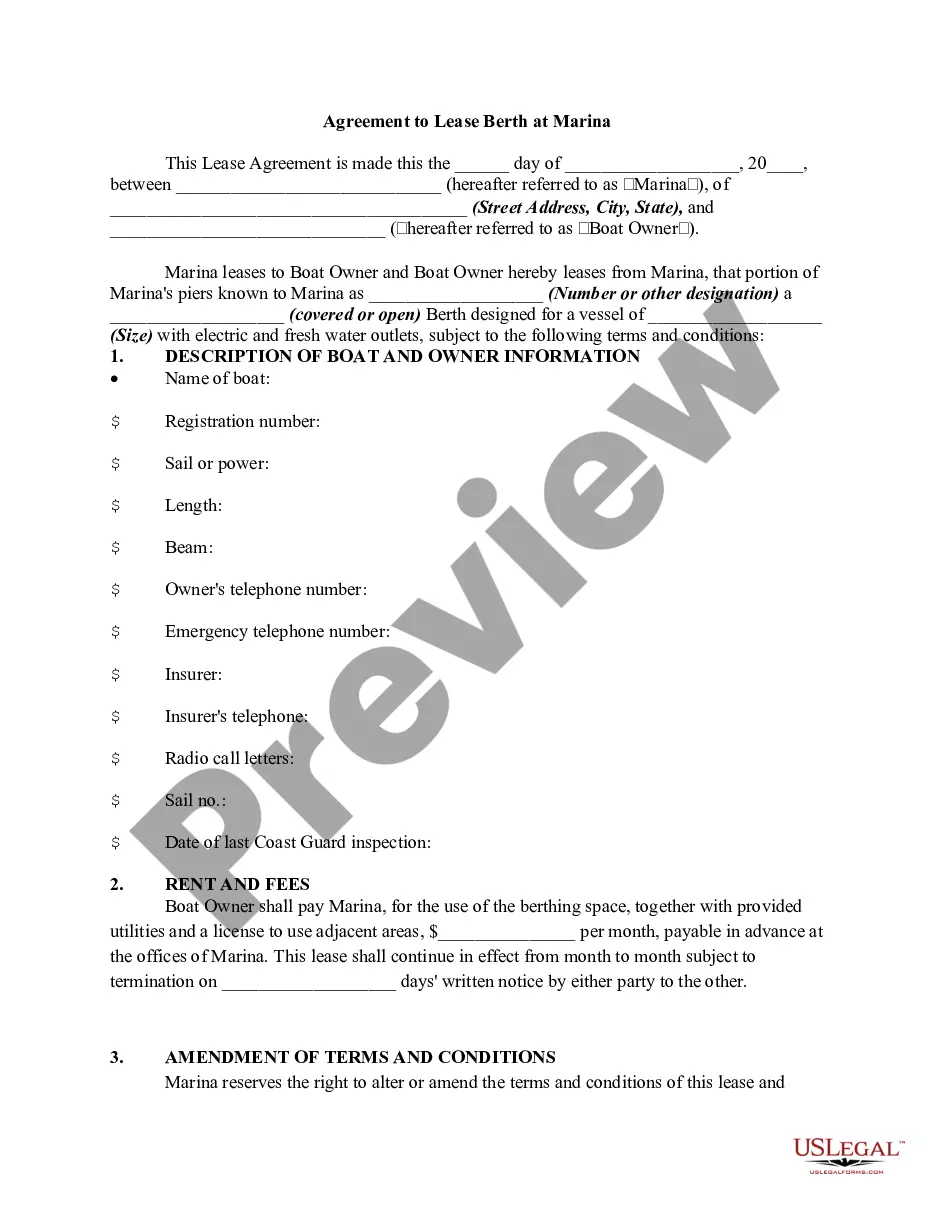
Construction Cost Plus With Example In Sacramento
Description

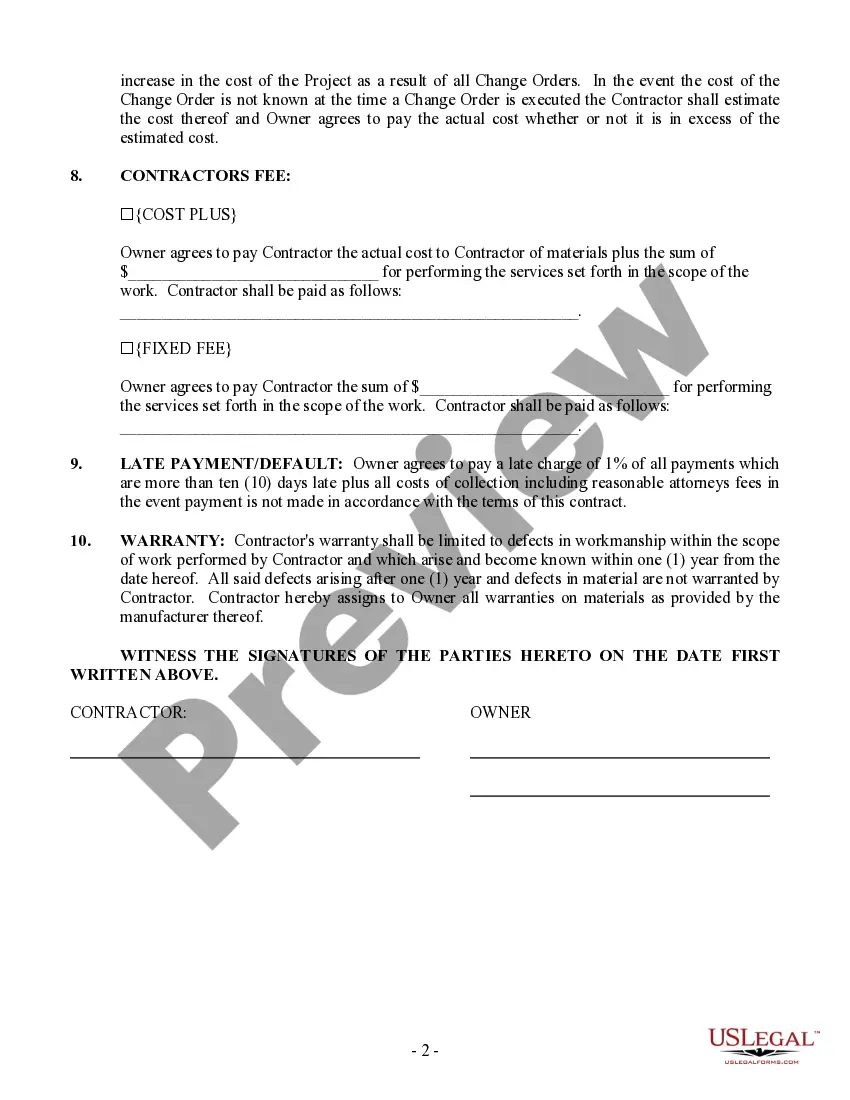
Get your form ready online
Our built-in tools help you complete, sign, share, and store your documents in one place.
Make edits, fill in missing information, and update formatting in US Legal Forms—just like you would in MS Word.
Download a copy, print it, send it by email, or mail it via USPS—whatever works best for your next step.
Sign and collect signatures with our SignNow integration. Send to multiple recipients, set reminders, and more. Go Premium to unlock E-Sign.
If this form requires notarization, complete it online through a secure video call—no need to meet a notary in person or wait for an appointment.
We protect your documents and personal data by following strict security and privacy standards.

Make edits, fill in missing information, and update formatting in US Legal Forms—just like you would in MS Word.

Download a copy, print it, send it by email, or mail it via USPS—whatever works best for your next step.

Sign and collect signatures with our SignNow integration. Send to multiple recipients, set reminders, and more. Go Premium to unlock E-Sign.

If this form requires notarization, complete it online through a secure video call—no need to meet a notary in person or wait for an appointment.

We protect your documents and personal data by following strict security and privacy standards.
Looking for another form?


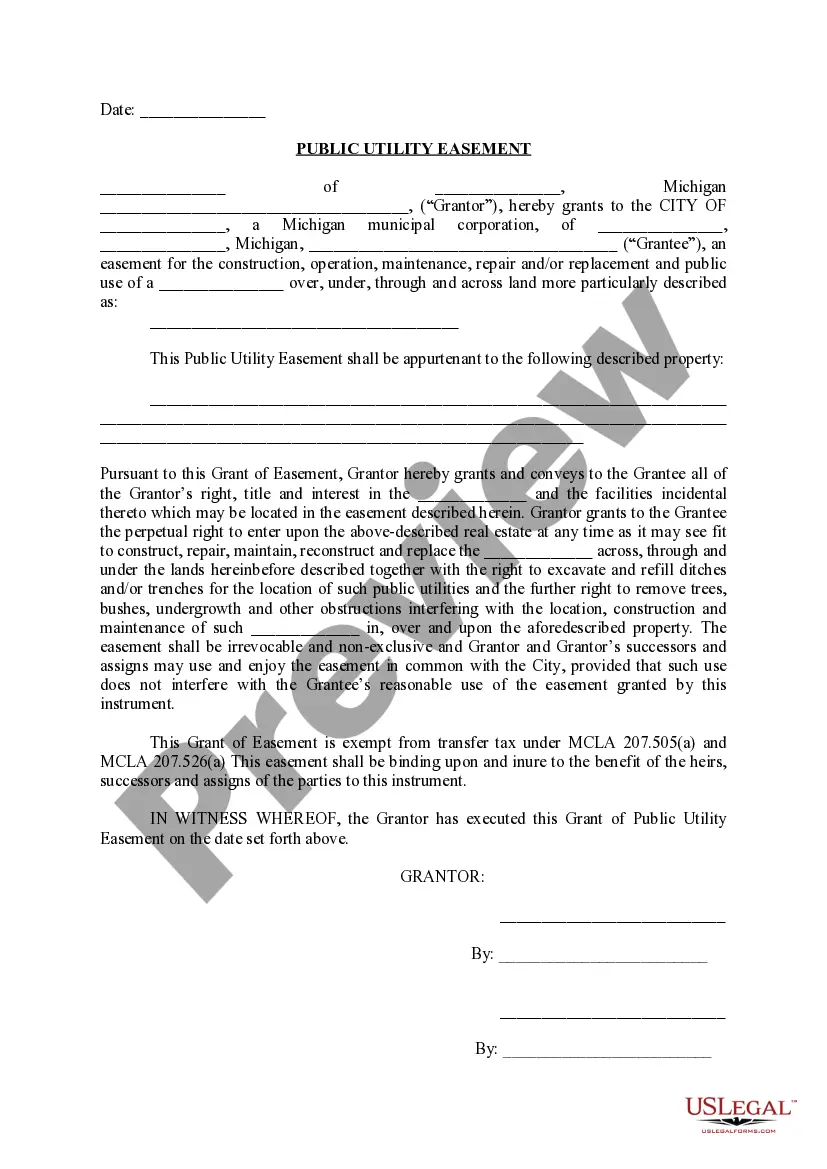






Form popularity
FAQ
Addition (usually signified by the plus symbol +) is one of the four basic operations of arithmetic, the other three being subtraction, multiplication and division. The addition of two whole numbers results in the total amount or sum of those values combined.
Construction Contractors: 10 Ways to Increase Your Company's Valuation Before Selling Avoid customer concentration. Collect Retainage and manage Accounts Receivable. Maintain a solid management team. Demonstrate your project history. Maintain a list of contracts. Maintain a list of bids. Save project estimate data.
Step 1: Calculate The Length Of The Walls. Step 2: Classify And Tabulate The Different Structures. Step 3: Calculate Each Length By Subtracting T-Junctions. Step 4: Measure Each Structure And Tabulate The Values. Step 5: Subtract the volume of doors, windows and other openings. Step 6: Calculate The Final Volumes.
Home additions can range from simple bedroom bump-outs to complex second-story builds. Costs vary based on size, scope, materials, and labor. While the foundation and framing generally represent the most significant expenses, labor costs can also add up quickly.