Work Labor Law Within India In Texas
Description
















Get your form ready online
Our built-in tools help you complete, sign, share, and store your documents in one place.
Make edits, fill in missing information, and update formatting in US Legal Forms—just like you would in MS Word.
Download a copy, print it, send it by email, or mail it via USPS—whatever works best for your next step.
Sign and collect signatures with our SignNow integration. Send to multiple recipients, set reminders, and more. Go Premium to unlock E-Sign.
If this form requires notarization, complete it online through a secure video call—no need to meet a notary in person or wait for an appointment.
We protect your documents and personal data by following strict security and privacy standards.

Make edits, fill in missing information, and update formatting in US Legal Forms—just like you would in MS Word.

Download a copy, print it, send it by email, or mail it via USPS—whatever works best for your next step.

Sign and collect signatures with our SignNow integration. Send to multiple recipients, set reminders, and more. Go Premium to unlock E-Sign.

If this form requires notarization, complete it online through a secure video call—no need to meet a notary in person or wait for an appointment.

We protect your documents and personal data by following strict security and privacy standards.
Looking for another form?




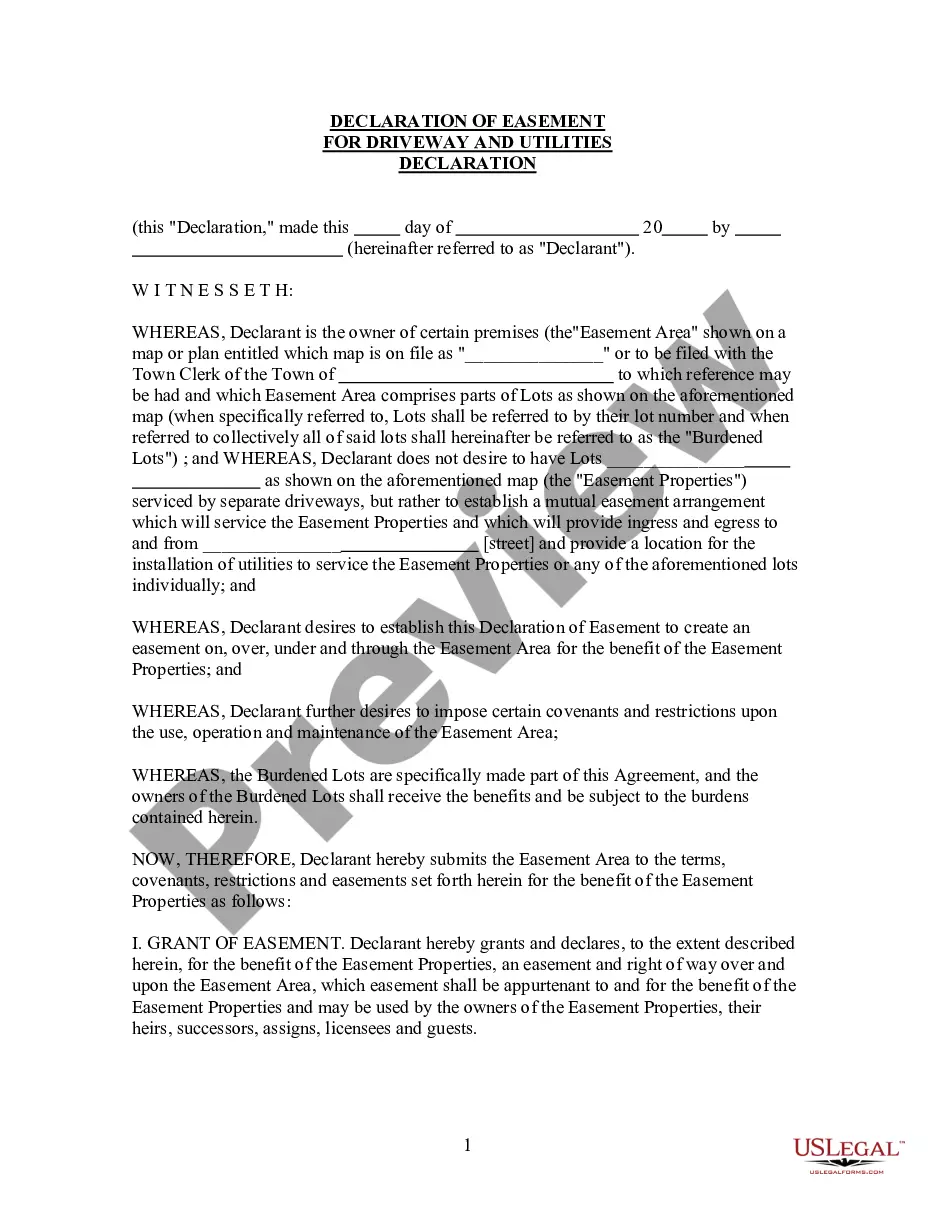




Form popularity
FAQ
Texas Labor Laws Guide Texas Labor Laws FAQ Texas minimum wage$7.25 Texas overtime 1.5 times the regular wage for any time worked over 40 hours/week ($10.87 for minimum wage workers) Texas breaks Breaks not required by law (see below for exceptions)
National Labor Relations Act (NLRA) This law applies to most private sector employers, including foreign companies operating in the US. Key provisions of the NLRA include: Protected Concerted Activity: Employees can act together to address work-related issues, with or without a union.
The basic rule of Texas employment law is employment at will, which applies to all phases of the employment relationship - it means that absent a statute or an express agreement (such as an employment contract) to the contrary, either party in an employment relationship may modify any of the terms or conditions of ...
With only extremely narrow exceptions relating to certain regulated industries or collective bargaining agreements, adults, as well as youths ages 16 or 17, may work, and/or may be required to work, unlimited hours each day (the only limits are employee morale, practical realities, and common sense in general).
The Act mandates a maximum of 48 hours of work per week spread over 6 days, with no worker permitted to work more than 9 hours a day or 48 hours a week. Further, work beyond specified hours is subject to overtime compensation.
These include right to work of one's choice, right against discrimination, prohibition of child labour, just and humane conditions of work, social security, protection of wages, redress of grievances, right to organize and form trade unions, collective bargaining and participation in management.
Presently, no OSHA standard to regulate extended and unusual shifts in the workplace exists. A work period of eight consecutive hours over five days with at least eight hours of rest in between shifts defines a standard shift. Any shift that goes beyond this standard is considered to be extended or unusual.
Yes, an employer is entitled to fire an at-will employee without notice, but the reasoning for the firing must always remain lawful.
The short answer is yes, you can work from India for a US company even if you're not a US citizen. The globalization of the workforce and advancements in communication technology have made remote work a viable and increasingly popular option.
To apply for an Employment visa in India, the employee must furnish the High Commission or Embassy of India with the following documents: A visa application form. A passport that (a) will be valid for a minimum of one year and (b) contains a minimum of three blank pages for stamps. Two passport photos.