Labour Law Act In Hindi In Franklin
Description
















Get your form ready online
Our built-in tools help you complete, sign, share, and store your documents in one place.
Make edits, fill in missing information, and update formatting in US Legal Forms—just like you would in MS Word.
Download a copy, print it, send it by email, or mail it via USPS—whatever works best for your next step.
Sign and collect signatures with our SignNow integration. Send to multiple recipients, set reminders, and more. Go Premium to unlock E-Sign.
If this form requires notarization, complete it online through a secure video call—no need to meet a notary in person or wait for an appointment.
We protect your documents and personal data by following strict security and privacy standards.

Make edits, fill in missing information, and update formatting in US Legal Forms—just like you would in MS Word.

Download a copy, print it, send it by email, or mail it via USPS—whatever works best for your next step.

Sign and collect signatures with our SignNow integration. Send to multiple recipients, set reminders, and more. Go Premium to unlock E-Sign.

If this form requires notarization, complete it online through a secure video call—no need to meet a notary in person or wait for an appointment.

We protect your documents and personal data by following strict security and privacy standards.
Looking for another form?

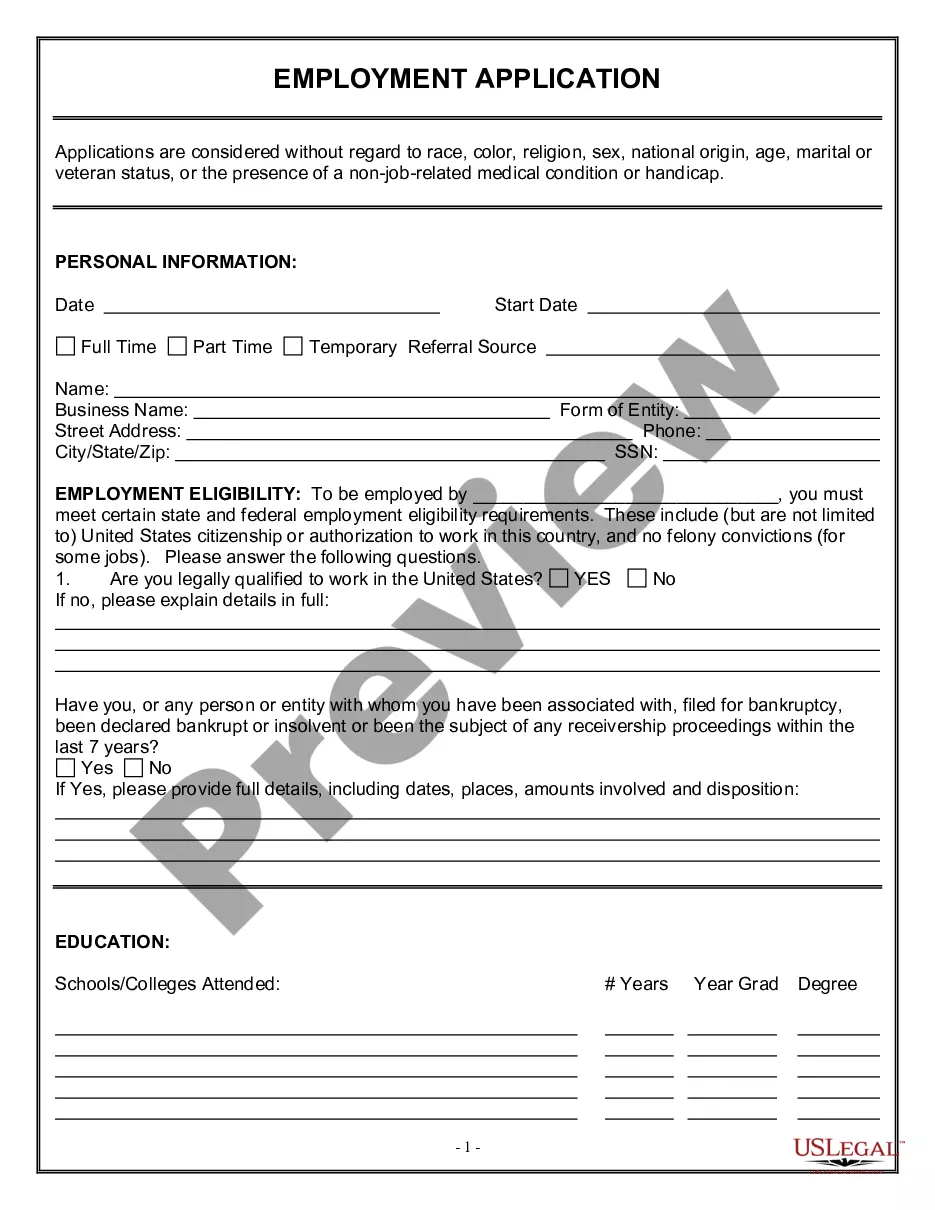



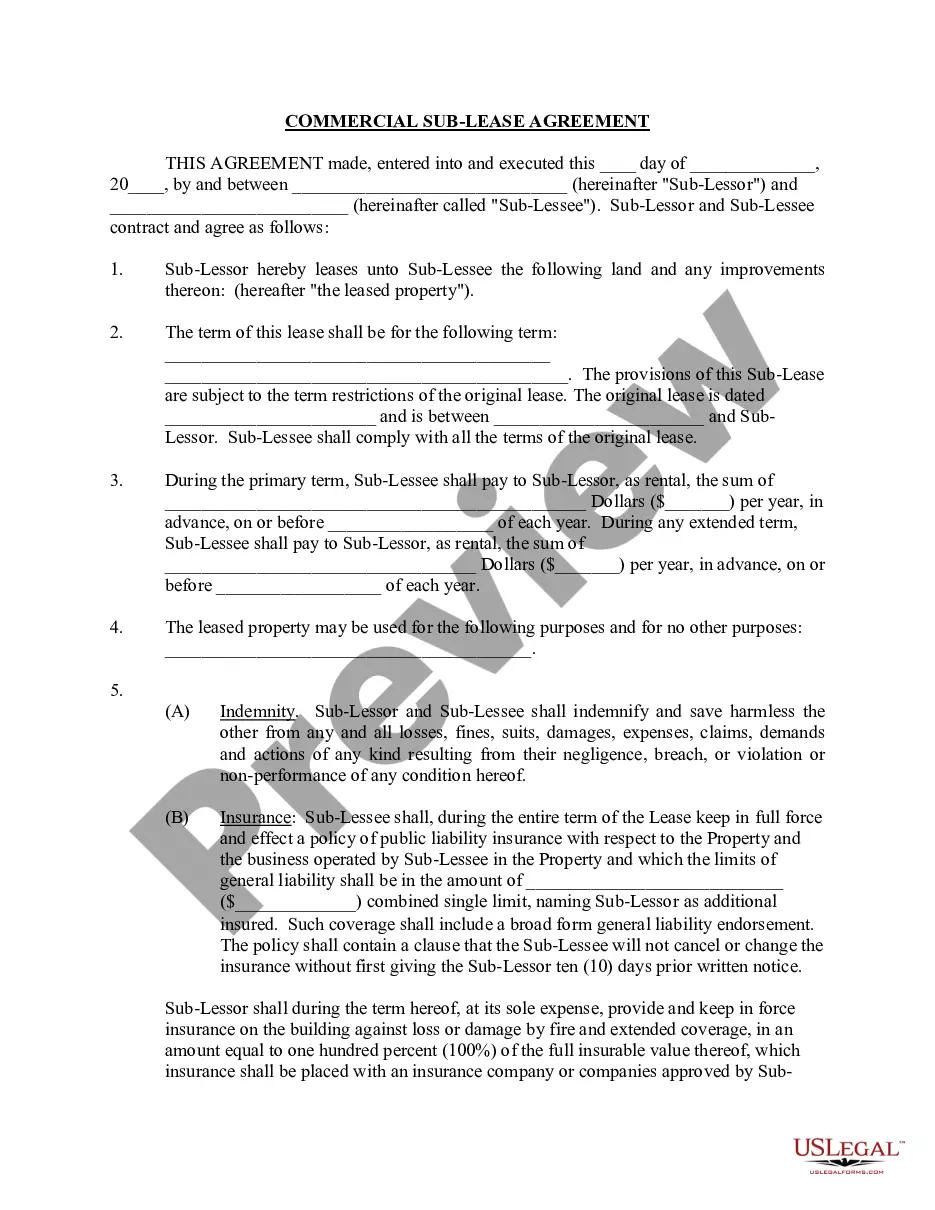
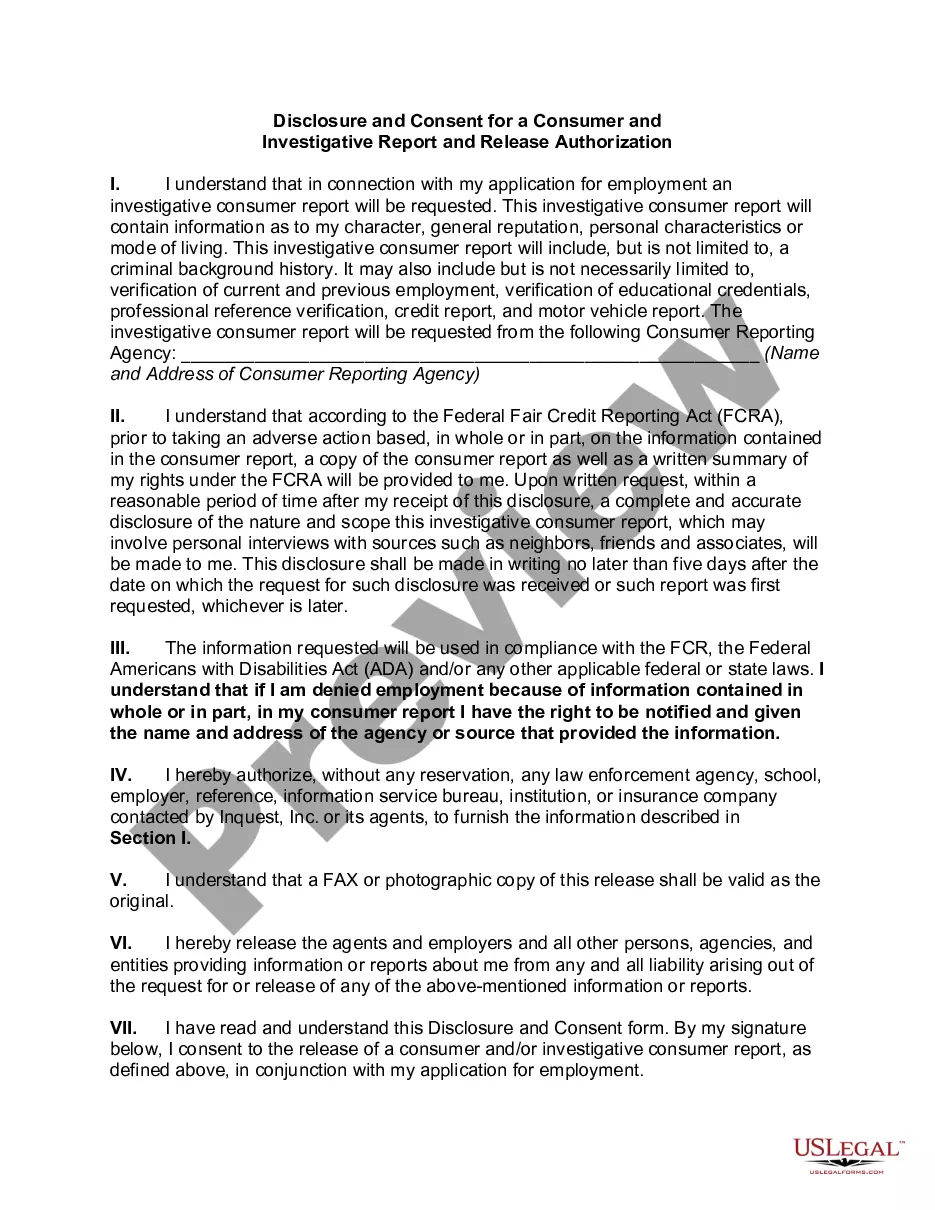


Form popularity
FAQ
The 13 Acts are: Factories Act, 1948; Mines Act, 1952; Dock Workers (Safety, Health and Welfare) Act, 1986; Building and Other Construction Workers (Regulation of Employment and Conditions of Service) Act, 1996; Plantations Labour Act, 1951; Contract Labour (Regulation and Abolition) Act, 1970; Inter-State Migrant ...
These include right to work of one's choice, right against discrimination, prohibition of child labour, just and humane conditions of work, social security, protection of wages, redress of grievances, right to organize and form trade unions, collective bargaining and participation in management.
Miscellaneous The Children's (Pledging of Labour) Act, 1933. The Child Labour (Prohibition and Regulation) Act, 1986. The Collection of Statistics Act, 1953. The Employment Exchanges (Compulsory Notification of Vacancies) Act, 1959. The Apprentices Act, 1961. The Bidi and Cigar Workers (Conditions of Employment) Act, 1966.
National Labor Relations Act. In 1935, Congress passed the National Labor Relations Act (“NLRA”), making clear that it is the policy of the United States to encourage collective bargaining by protecting workers' full freedom of association.
Generally speaking, the Fair Labor Standards Act (FLSA) sets the minimum age for employment (14 years for non-agricultural jobs), restricts the hours youth under the age of 16 may work, and prohibits youth under the age of 18 from being employed in hazardous occupations.
The earliest Indian statute to regulate the relationship between employer and his workmen was the Trade Dispute Act, 1929 (Act 7 of 1929). Provisions were made in this Act for restraining the rights of strike and lock out but no machinery was provided to take care of disputes.
Is There a Limit on Working Hours in New York? The New York State Department of Labor does not limit the number of hours employees can work per day. This means employers may legally ask their employees to work shifts of eight, ten, twelve, or more hours each day.
Some of the most important business law areas are disputes and dispute settlement, business ethics and social responsibility, business and the United States Constitution, criminal liability, torts, contracts, labor and employment law, Unfair Trade Practices and the Federal Trade Commission, international law, and ...
Labor laws address issues such as worker's compensation, workplace safety, fair hiring practices, and protection of employees from discrimination, harassment, and retaliatory actions. The law also secures employees' rights to organize and seek union representation and allows collective bargaining agreements.
Employment law regulates the relationship between employers and employees. Labor law regulates the additional dimension that arises when employees select (or consider selecting) a labor union to represent them in their dealings with their employer.
