Roommate Agreement In Court In Queens
Description



Form popularity
FAQ
If you want to start an HP action against the property owner, go to the Clerk's Office at the Housing Court. You do not need a lawyer to start an HP case. For more information about HP actions, visit the website of the New York State Unified Court System.
10 ANSWERS No. You cannot legally kick someone out who owns the property. You each have the right to possess it. The other owner could sue you to partition the property, which means you would either need to sell the property and split the proceeds or you would need to buy out his rights.
If the roommate has been there more than two years, you must give 90 days notice termination. This means your notice must be given to your roommate at least the required number of days before the termination date in the notice. Extra time is ok.
This brings us back to our original question; yes, it's possible to evict without a lease, but there are some conditions that must be satisfied when doing this. And yes, the process still mandates a formal notice be given to the tenant, but the following must also be satisfied.
How many people can live in a 2-bedroom apartment? ing to the Fair Housing Act, a general guideline allows two people per bedroom, totaling four occupants for a two-bedroom apartment.
So if you want them out, since they have been there less than a year, you can give them a written 30 day notice to vacate. If they don't move out, then you can file a formal court eviction case in the local Housing Court to evict them.
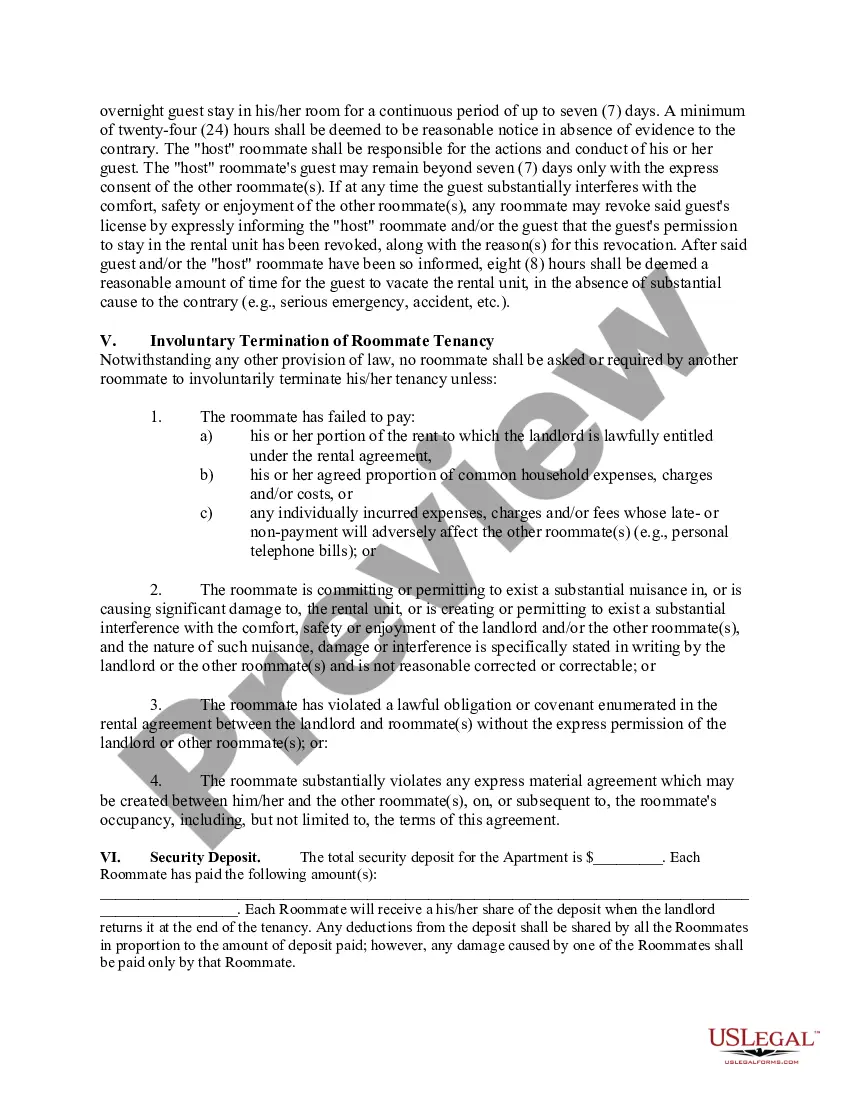
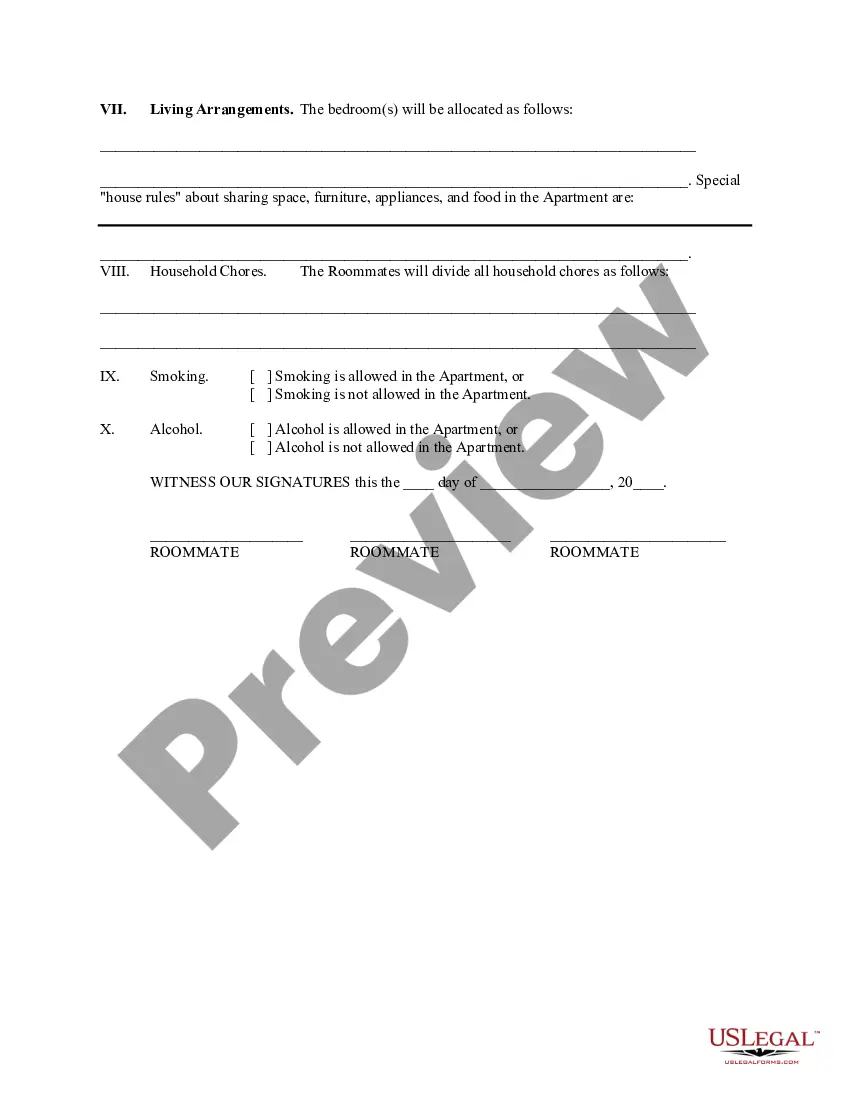
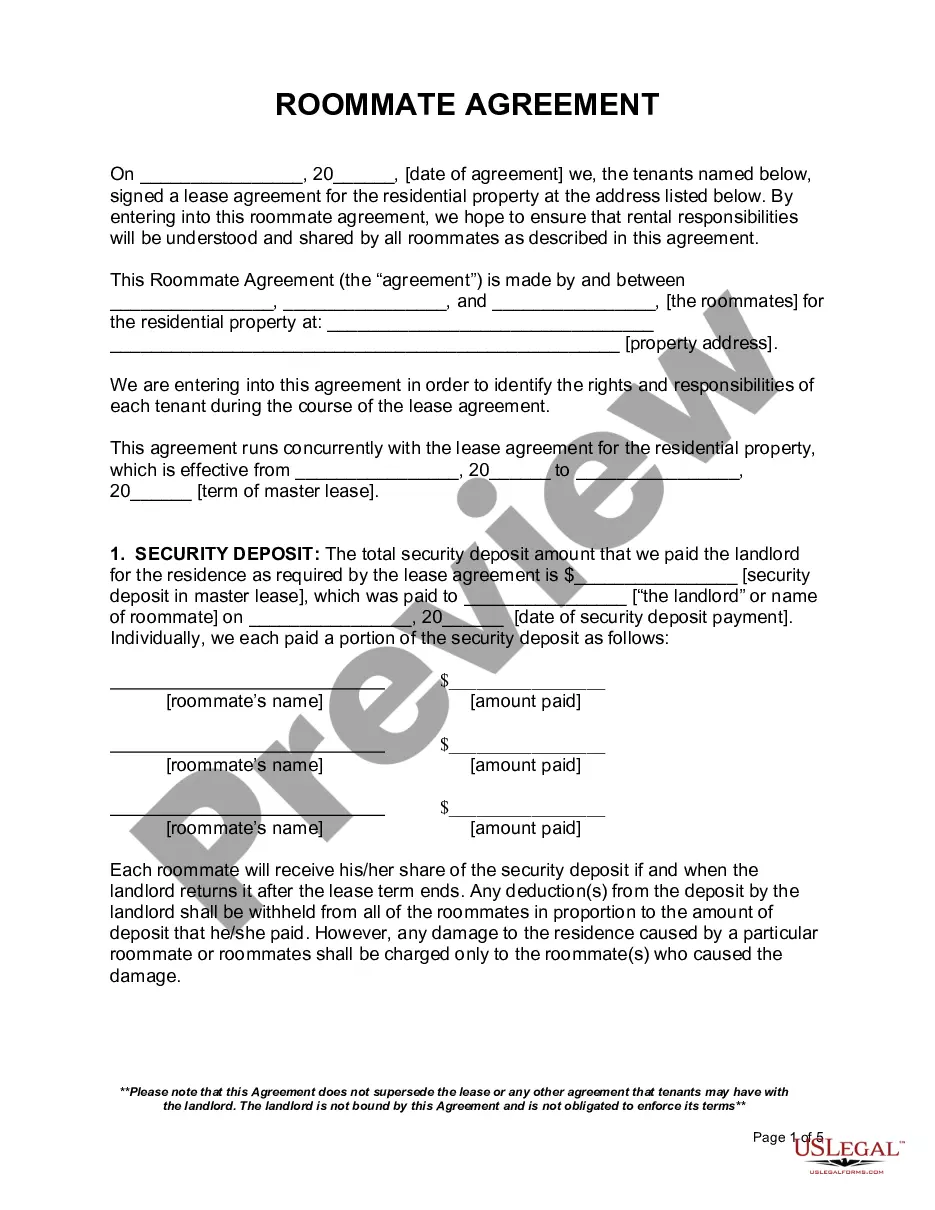
New York State law protects the right of tenants in privately-owned buildings to have a roommate under certain conditions. If those conditions are met, tenants do not need the permission of the landlord to have an additional occupant, and are legally allowed to have a roommate even if their lease prohibits it.
Do Not Use Each Other's Things Without Asking. Not using each other's things without asking is one of the more obvious roommate rules. While some people are more casual about sharing, others are not. You have to learn what kind of person your roommate is and then act ingly.
When only one tenant is named on a lease, the tenant has the right to take in a roommate and the roommate's dependent children. When two or more tenants are named on the lease, the number of tenants and roommates cannot exceed the number of tenants named in the lease.
