Employment Law Without Prejudice Discussions In Chicago
Description















Get your form ready online
Our built-in tools help you complete, sign, share, and store your documents in one place.
Make edits, fill in missing information, and update formatting in US Legal Forms—just like you would in MS Word.
Download a copy, print it, send it by email, or mail it via USPS—whatever works best for your next step.
Sign and collect signatures with our SignNow integration. Send to multiple recipients, set reminders, and more. Go Premium to unlock E-Sign.
If this form requires notarization, complete it online through a secure video call—no need to meet a notary in person or wait for an appointment.
We protect your documents and personal data by following strict security and privacy standards.

Make edits, fill in missing information, and update formatting in US Legal Forms—just like you would in MS Word.

Download a copy, print it, send it by email, or mail it via USPS—whatever works best for your next step.

Sign and collect signatures with our SignNow integration. Send to multiple recipients, set reminders, and more. Go Premium to unlock E-Sign.

If this form requires notarization, complete it online through a secure video call—no need to meet a notary in person or wait for an appointment.

We protect your documents and personal data by following strict security and privacy standards.
Looking for another form?



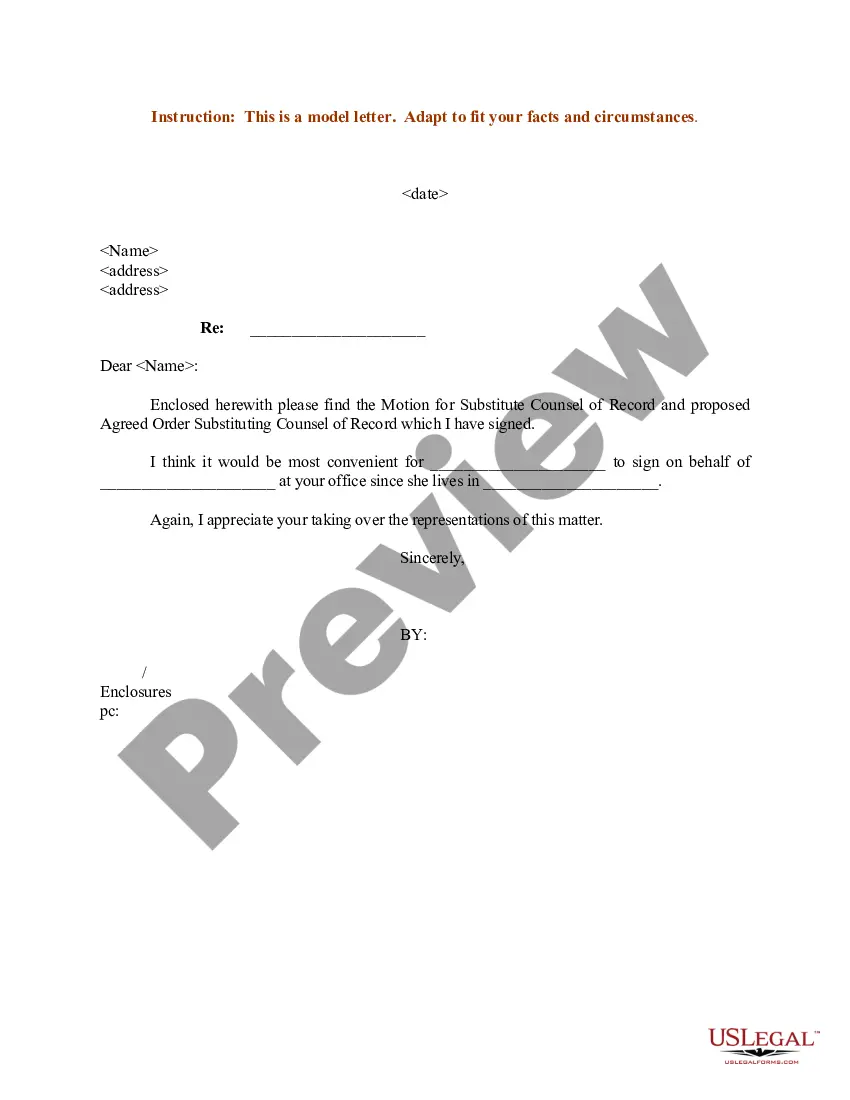
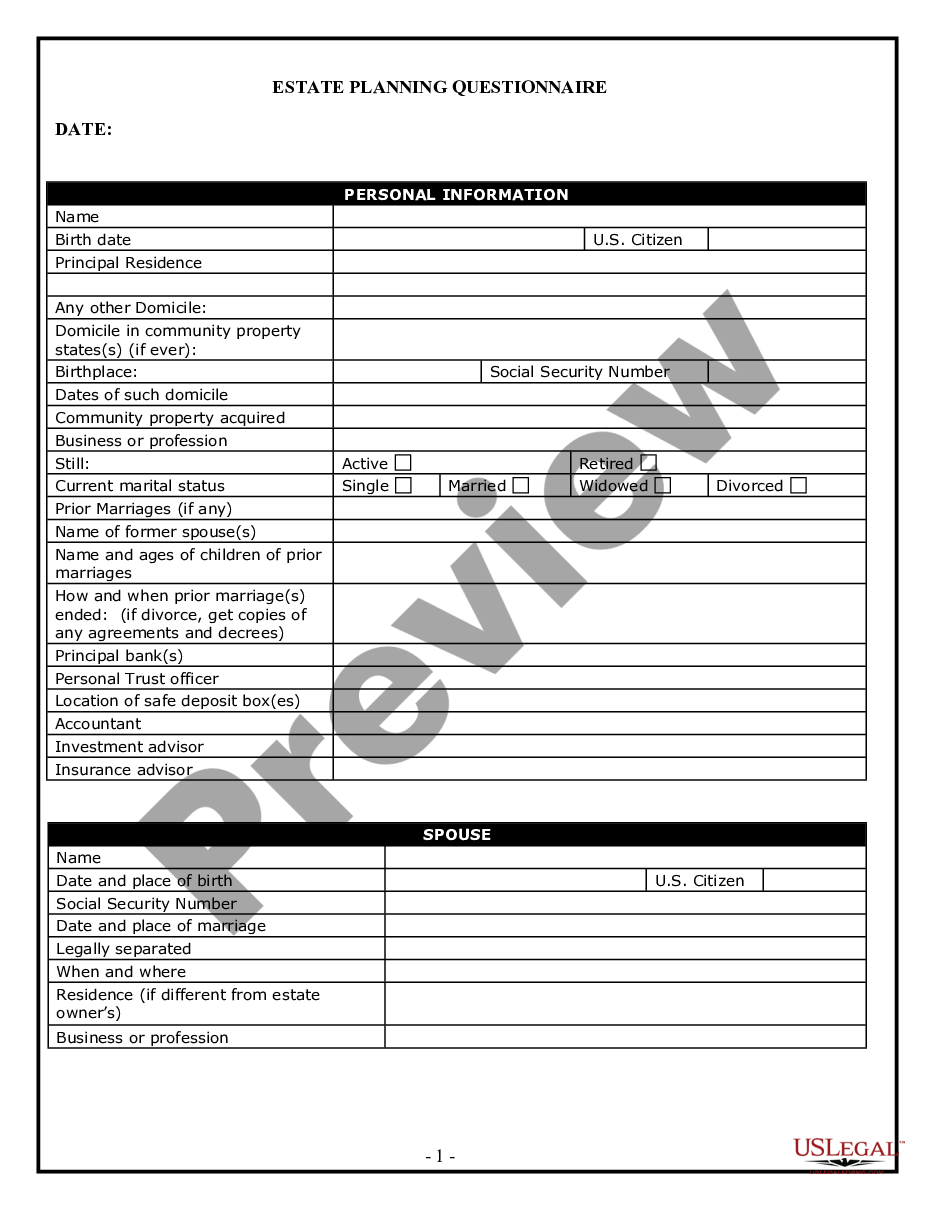
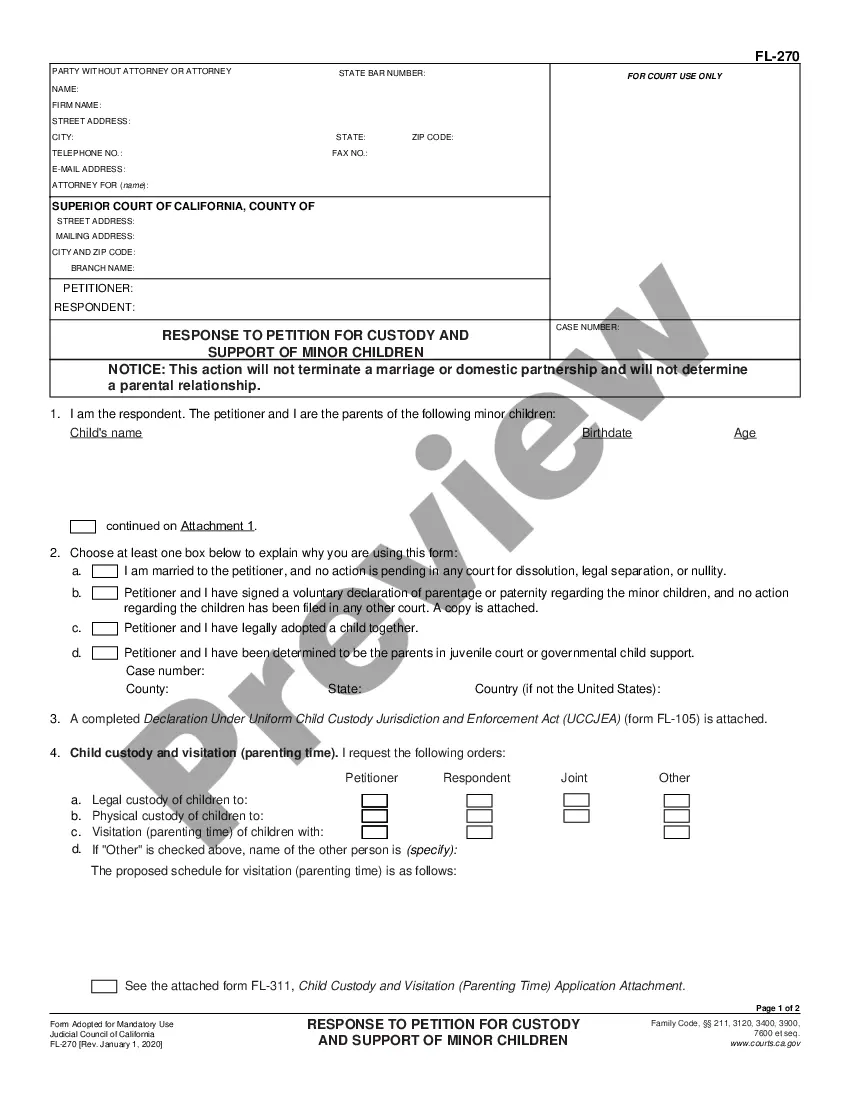
Form popularity
FAQ
Best practice would be to invite the employee to a meeting for an initial discussion. The important words to say or write at the start of any communication is that you are having a protected conversation (and ideally, state that it is being carried out pursuant to Section 111A of the Employment Rights Act 1996).
“Without Prejudice” means that you are sending a communication in an honest attempt to compromise a matter, in which you might make a concession (either expressly or implicitly) to the other side that cannot be later put into evidence in Court.
A without prejudice clause in a contract ensures that each party in the contract maintains their legal rights and privileges. A without prejudice clause in a contract ensures that each party in the contract maintains their legal rights and privileges. Neither party will have a loss of rights.
Protected conversation script Opening Hello employee name, thank you for taking the time to speak with me today. Purpose of meeting I would like discuss the possibility of a mutually-agreed amicable termination of your employment with company. Background
Under Penal Code § 632(c), "confidential communication" includes any communication carried on in circumstances as may reasonably indicate that any party to the communication desires it to be confined to the parties, but excludes a communication made in a public gathering or in any legislative, judicial, executive or ...
What is a protected conversation? A “protected conversation” gives your employer the right to enter into off-the-record conversations with you (without there being an existing dispute), and where a proposal can be made leading to the termination of your employment.
There is no harm in agreeing to have a protected conversation. Go, take notes and clarify any points that have been made. If your employer does offer you a settlement, take time to reflect and seek advice, do not agree to it in the meeting.
Related Content. The without prejudice (WP) rule will generally prevent statements made in a genuine attempt to settle an existing dispute, whether made in writing or orally, from being put before the court as evidence of admissions against the interests of the party which made them.
New Illinois wage, employment, and welfare laws in 2024 Wages for non-tipped workers will increase to $14 per hour, while tipped workers will see a new minimum wage of $8.40 per hour.
Effective July 1, 2024, the Freelance Worker Protection Act (FWPA) provides new protections for “independent contractors” who contract with any (non-governmental) person or entity to provide products or services in Illinois, or with an entity located in Illinois, worth at least $500 (either in a single contract or in ...
