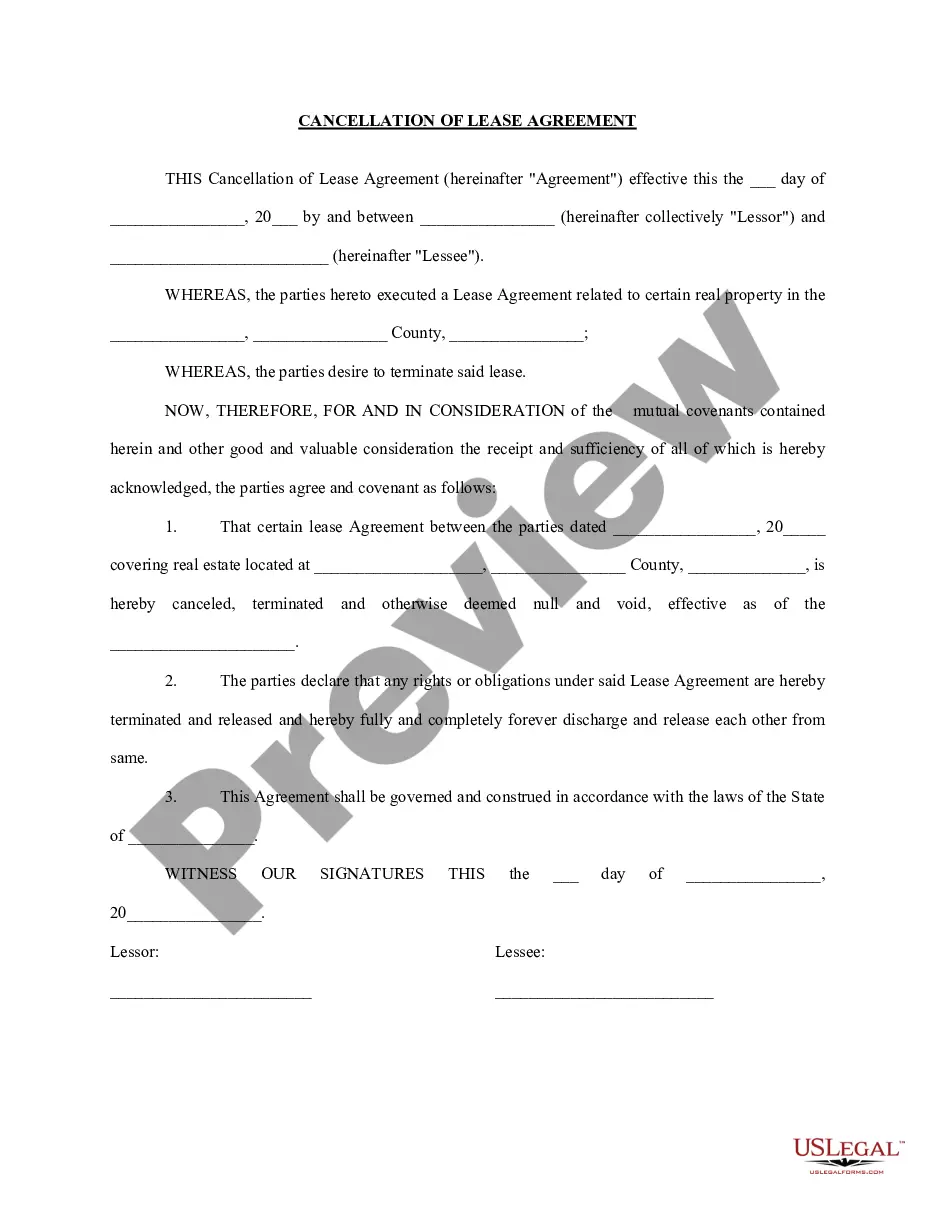
Residential Property Leases With 0 Down In Virginia
Description

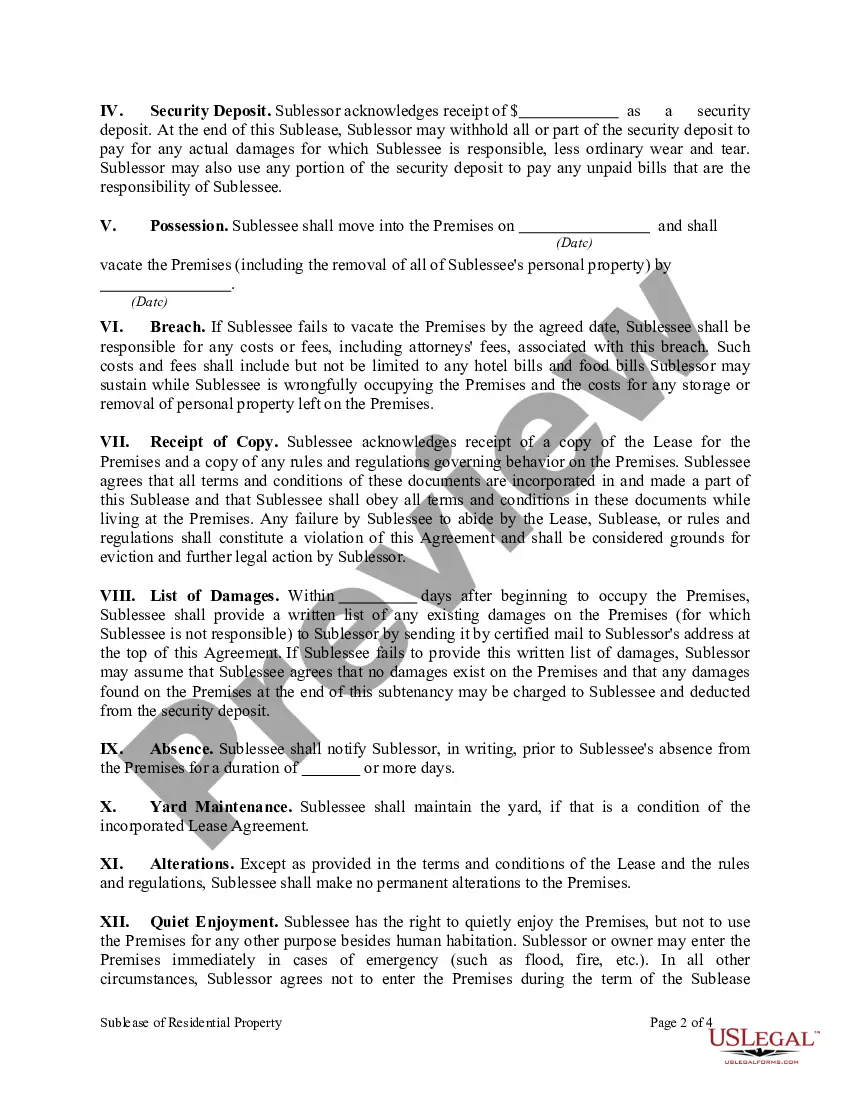
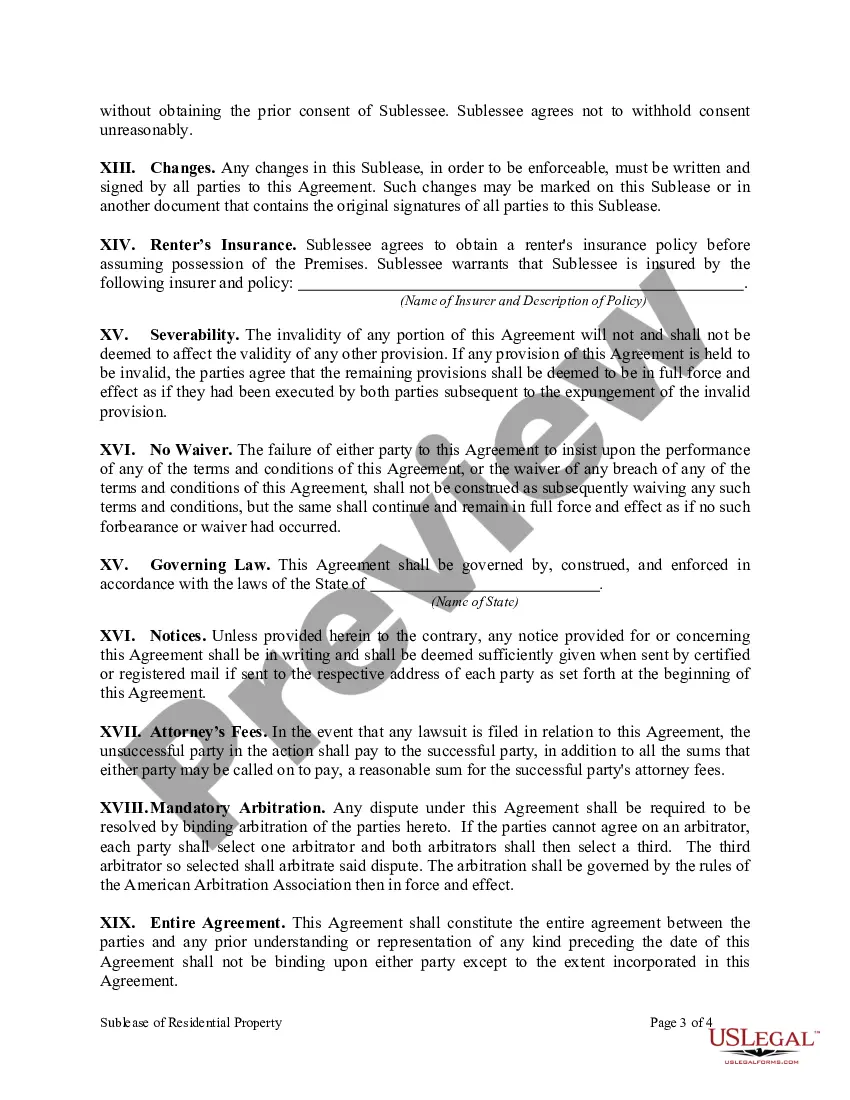
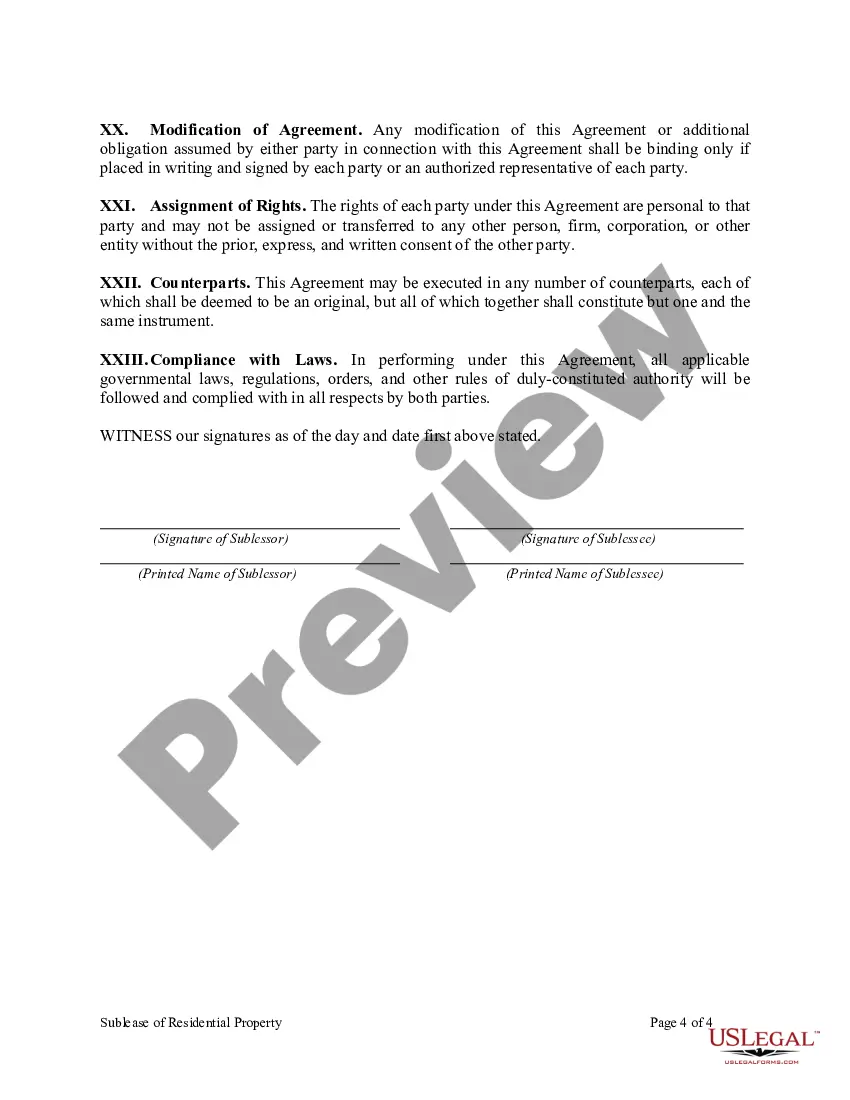

Get your form ready online
Our built-in tools help you complete, sign, share, and store your documents in one place.
Make edits, fill in missing information, and update formatting in US Legal Forms—just like you would in MS Word.
Download a copy, print it, send it by email, or mail it via USPS—whatever works best for your next step.
Sign and collect signatures with our SignNow integration. Send to multiple recipients, set reminders, and more. Go Premium to unlock E-Sign.
If this form requires notarization, complete it online through a secure video call—no need to meet a notary in person or wait for an appointment.
We protect your documents and personal data by following strict security and privacy standards.

Make edits, fill in missing information, and update formatting in US Legal Forms—just like you would in MS Word.

Download a copy, print it, send it by email, or mail it via USPS—whatever works best for your next step.

Sign and collect signatures with our SignNow integration. Send to multiple recipients, set reminders, and more. Go Premium to unlock E-Sign.

If this form requires notarization, complete it online through a secure video call—no need to meet a notary in person or wait for an appointment.

We protect your documents and personal data by following strict security and privacy standards.
Looking for another form?






Form popularity
FAQ
Down payment Conventional loans: 3 percent. FHA loans: 3.5 percent (for credit scores of 580 or higher), 10 percent (for credit scores between 500 and 579) VA loans: No down payment if you qualify. USDA loans: No down payment if you qualify.
3.5% downpayment. Credit scores as low as 620. Eligible for Virginia Housing's DPA Grant (bond only) Eligible for Virginia Housing's Plus Second Mortgage.
Conventional Loans: The minimum credit score required for conventional loans is 620 for Fannie Mae and 660 for Freddie Mac. However, a 3% down payment is mandatory. FHA Loans: With FHA loans, you can buy a house with a credit score as low as 500 with a 10% down payment.
How to Rent Out Your House in Virginia Get Familiar with the Laws and Legislations. Prepare the Property to Rent. Market Your Rental Property on the Right Platforms. Screen Tenants Thoroughly. Set Reasonable Rental Rates and Lease Terms. Hire a Professional Property Manager. Bottom Line.
State Laws: When a Guest Legally Becomes a Tenant StateRules on Guests Becoming Tenants Virginia No official cutoff. Landlord must specify in lease Washington No official cutoff. Landlord must specify in lease West Virginia No official cutoff. Landlord must specify in lease47 more rows •
Generally, no other people may move in with you without a written change to the lease signed by you and the landlord.
If your lease runs out, in most cases your landlord can make you leave. They do not need a reason to let the lease run out and not renew. Note: If you have a month-to-month lease, each month is a renewal. That means your landlord can decide to not renew by simply giving you a 30-day notice before your last month.
Once it is signed by both the landlord and the tenant, the lease is a legally binding contract. If you have any questions about anything in this lease, you should talk to an attorney about the lease before you sign it.
A landlord is required to provide a tenant a written lease. If there is no lease provided, the law protects a tenant by establishing a statutory lease between landlord and tenant for 12 months, which is not subject to automatic renewal. (§55.1-1204)