Residential Property For Lease In Maryland
Description


Form popularity
FAQ
But there are rules to play by local zoning ordinances are the first checkpoint. They're likeMoreBut there are rules to play by local zoning ordinances are the first checkpoint. They're like traffic lights for land use giving the green or red to your plans. If the zone is strictly residential.
Gross lease - A gross lease, the most common, has a predetermined rent coverage in which the landlord maintains the property. A net lease has a set rent amount covering the occupancy but may not include maintenance work and even property taxes or insurance.
The most common type of lease contract in residential real estate is Gross Lease. In a gross lease, the tenant pays a fixed amount of rent, and the landlord is responsible for paying all the expenses associated with the property, including property taxes, insurance, and maintenance costs.
Ultimately though it should include the following details: A description of the property. A list of attractive local amenities. List the distinct features that make your property stand out. Whether or not the property is pet-friendly. The rent amount and deposit amount. The utilities, which are included, which aren't.
Start by noting the basic identifying information: List the date, property address, and tenant details. Proceed room by room: Document each item in every room, including its condition. Be thorough and include all elements like walls, floors, ceilings, fixtures, and any appliances or furniture.
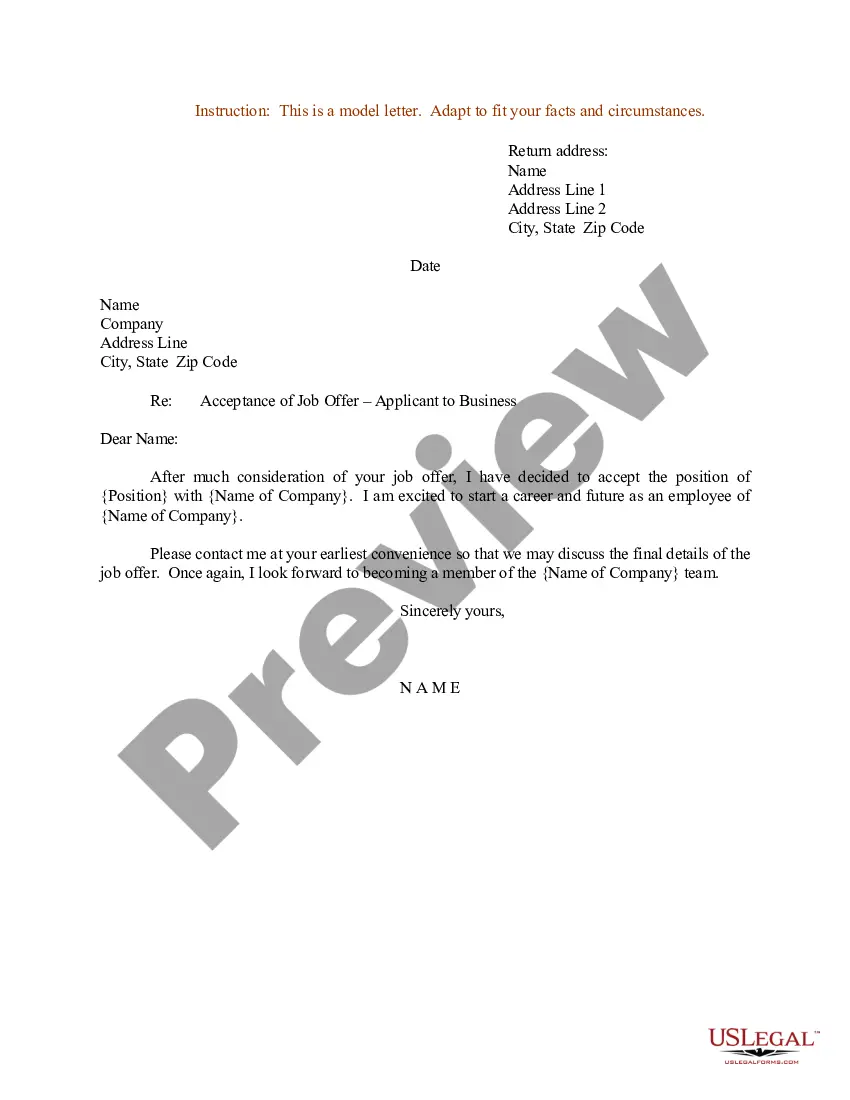
A residential lease is a contract between a landlord and a tenant - or a lessor and a lessee. It will outline and detail the terms under which the tenant can occupy the landlord's property.
Some counties and cities in Maryland require landlords to have a current rental property license. Often the purpose of the licensing requirement is to make sure that rental properties meet building code requirements for habitability.
To become a licensed landlord in Maryland, you must pass a real estate exam, complete pre-licensing education, obtain rental licenses, and, if applicable, a property manager license. Compliance with laws such as landlord-tenant law, fair housing, and lead-based paint regulations is also essential.
